Things to Do | Visit Chiba | Latest update:2026/01/29
Don Kennedy
Hi! My name is Don Kennedy and I shoot, edit, and produce photo and video work. Having grown up in a sleepy town in rural Australia, in 2005 I moved to the world's largest metropolis and have been loving living here ever since. I’m based on the east side of the city, near Ueno, and really enjoy the relaxed atmosphere, the warmth of the locals, and the history of the area. As Tokyo is such an incredibly walkable city, you might see me wandering around with a camera in hand during the day, or making the most of the amazing food options in an izakaya or restaurant at night.
Contents
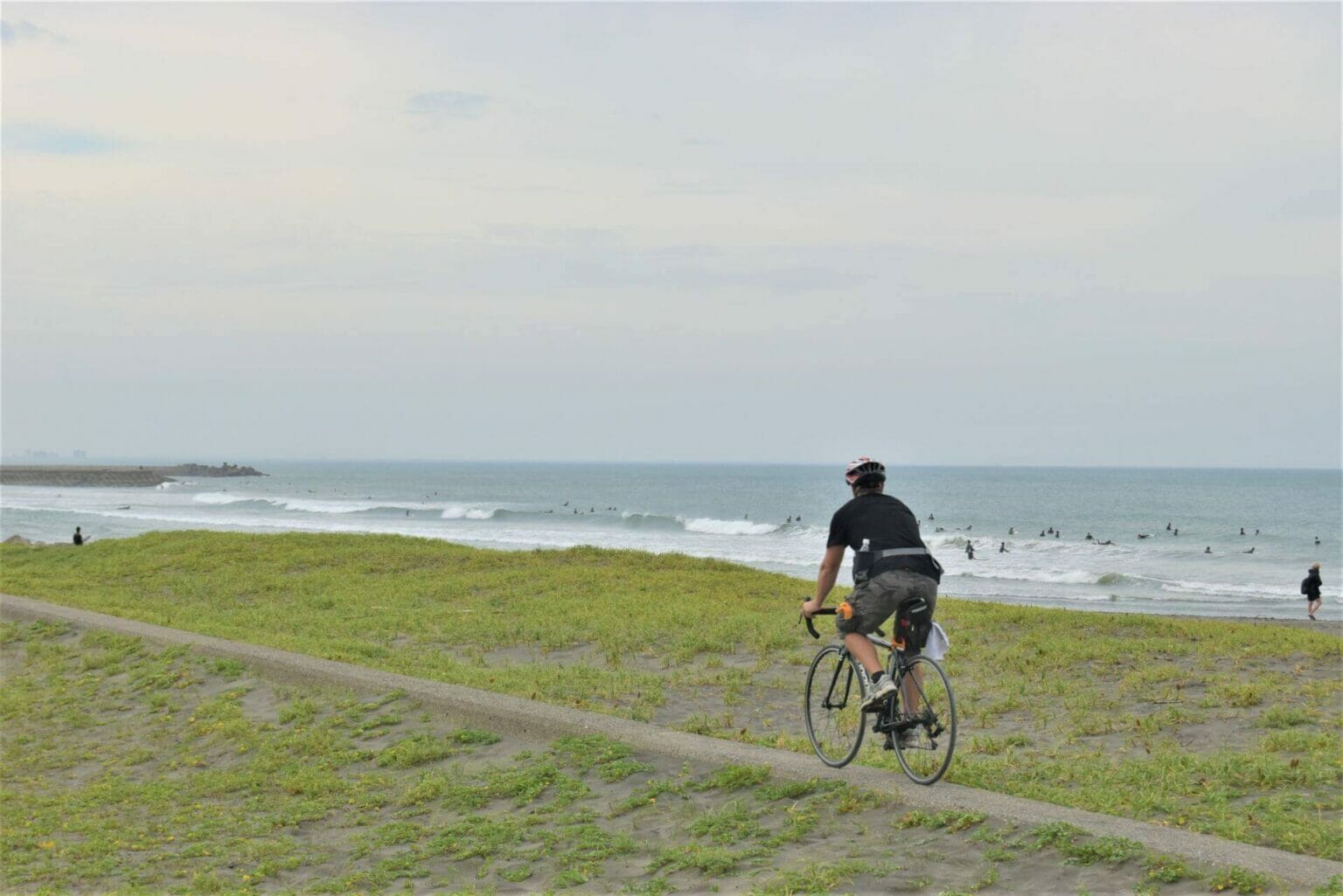
From Farm Town to Surf Hub: The History of IchinomiyaThe Waves: Why Ichinomiya Beats ShonanThe Olympic Wave: How 2021 Changed a TownAn Insider's Guide to the Ichinomiya Surf SceneJapan's Surfboard Manufacturing HubKey Surf Shops & HangoutsWhere to Stay: The "Third Place" ExperienceWhere Surfers & Farmers Meet: The Unique Local CulturePlanning Your Visit: A Dual-Identity DestinationAs the train from Tokyo pulls into Kazusa-Ichinomiya Station after just over an hour, alighting visitors will step into what appears to be a typical Japanese countryside town. The station sits amid traditional Japanese country town architecture that speaks to centuries of agricultural life. But rent a bicycle from the tourist information center and pedal through the rice paddies toward the coast, and you’ll discover an entirely different world. Here, along the southern end of the Kujukuri coast, hundreds of thousands of surfers arrive each year to ride some of Japan’s most consistent waves, the same waves which marked surfing’s introduction to the Olympics in 2021. This is Ichinomiya, a town that exists in two places at once.
Ichinomiya was originally an agricultural community, not a fishing village as many coastal towns tend to be, and before surfing arrived, there were very few restaurants or accommodations along the coast. The transformation began in 1976, when Kazumi Nakamura opened CHP Surf Shop, bringing California and Hawaiian surf culture to this Pacific coastline. The waves had always been there, but it needed someone to recognize their potential and develop the infrastructure for surfers to access them.
Ichinomiya: At a Glance
Access: Approx. 60-90 minutes from Tokyo via Kazusa-Ichinomiya Station.
Even before the Olympics, many surfers had discovered Ichinomiya’s high-quality waves. Toshimune Hashimoto, known as Mune, moved from Tokyo in 2001 at the age of 22, trading the capital’s hectic pace for daily surfing. Back then, Ichinomiya was a quiet surfers’ town struggling to retain its young population due to a lack of work. About 80 percent of Mune’s young surfer friends eventually left for Tokyo, unable to sustain life here despite loving the waves. Those who stayed found ways to make it work. Mune worked in surfboard factory sales for a Japanese manufacturer, staying connected to the ocean lifestyle while building the foundation to eventually start his own business. This area had developed a genuine surf manufacturing culture, with Japanese craftsmen producing boards that showcase exceptional attention to detail and quality.
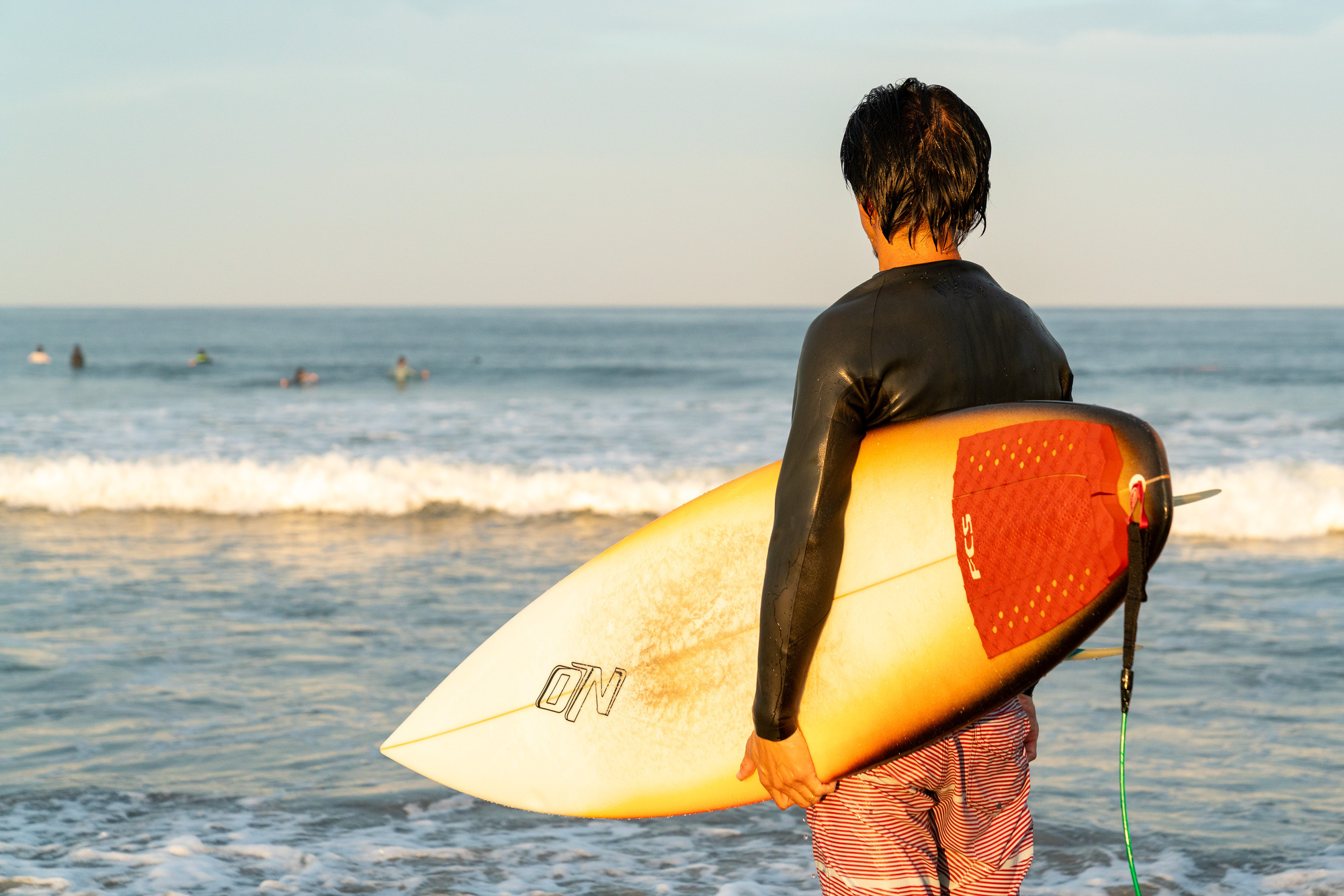
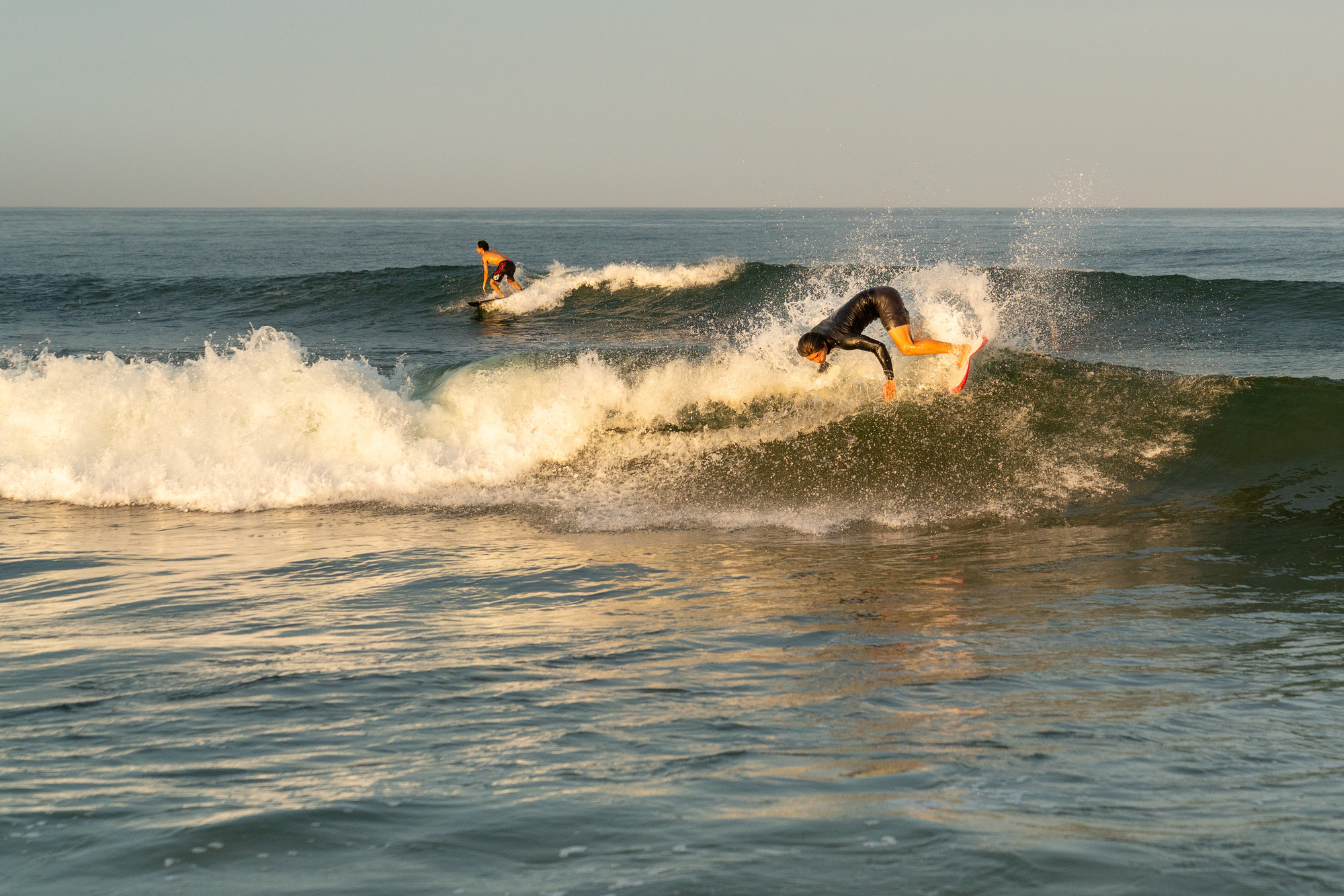
Unlike Shonan, the surf spot west of Tokyo, Ichinomiya offered consistent year-round breaks. The Pacific swells arriving at this exposed coastline created rideable conditions throughout all four seasons. Some enthusiasts even visit in February after snowboarding at Niseko, combining two of Japan’s best outdoor offerings in a single trip.
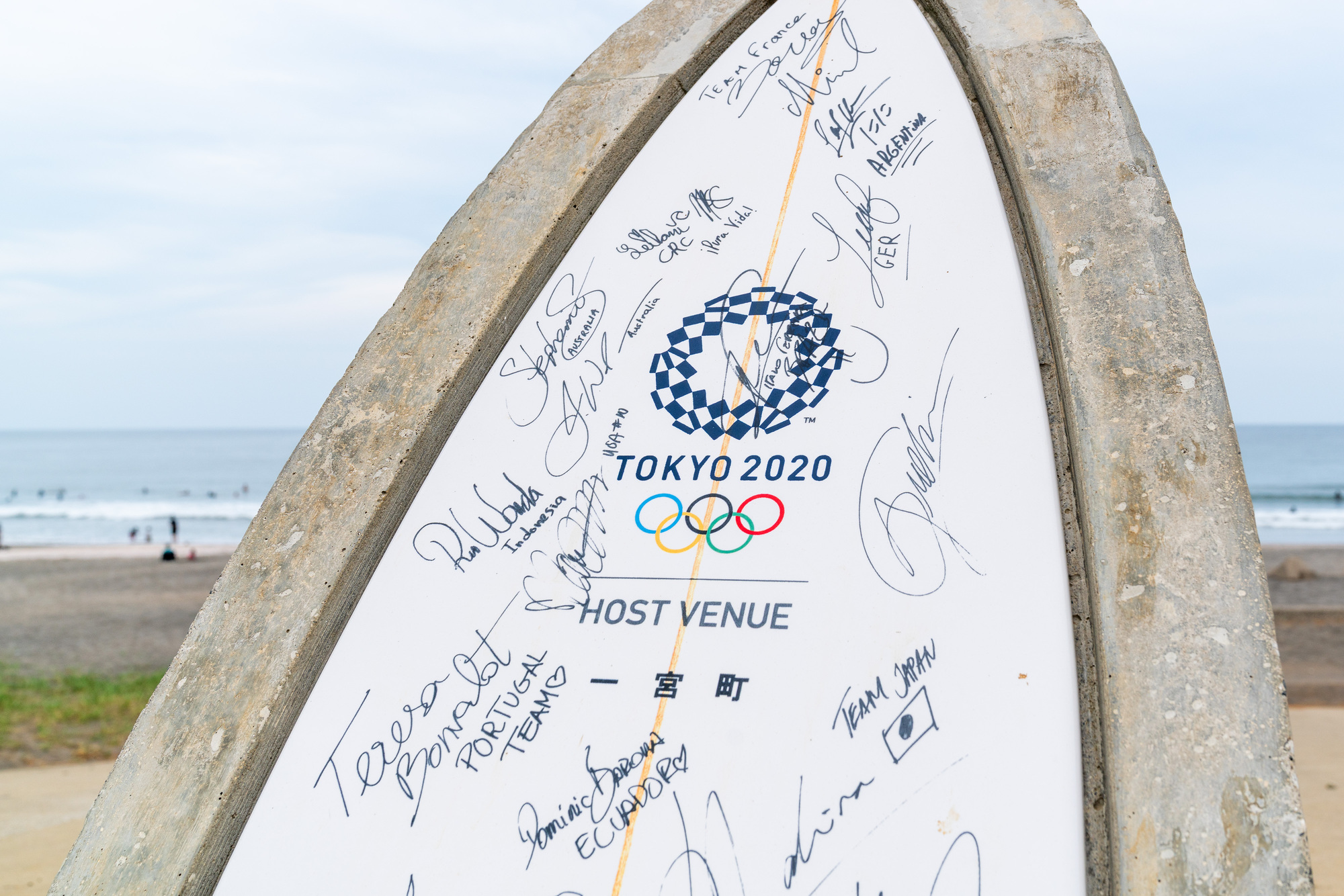
In 2017, Tsurigasaki Beach was announced as the Olympic surfing venue. This decision accelerated development and people began buying land and building houses along the coast. Then Covid-19 once again accelerated growth, with remote work making it possible for Tokyo professionals who loved surfing to relocate permanently. As the population grew, restaurants multiplied, and the town evolved from a surfers’ secret into a thriving coastal community.
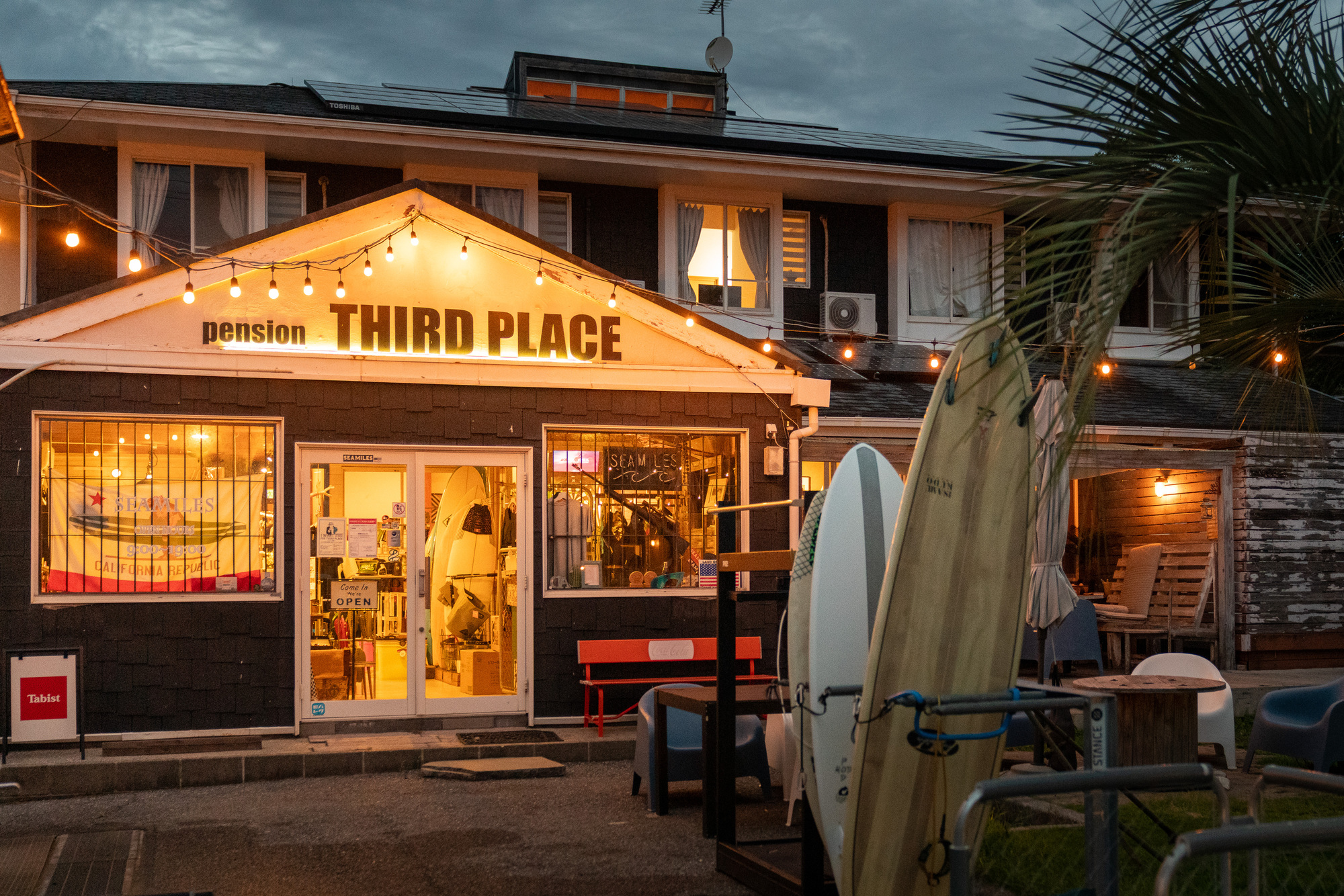
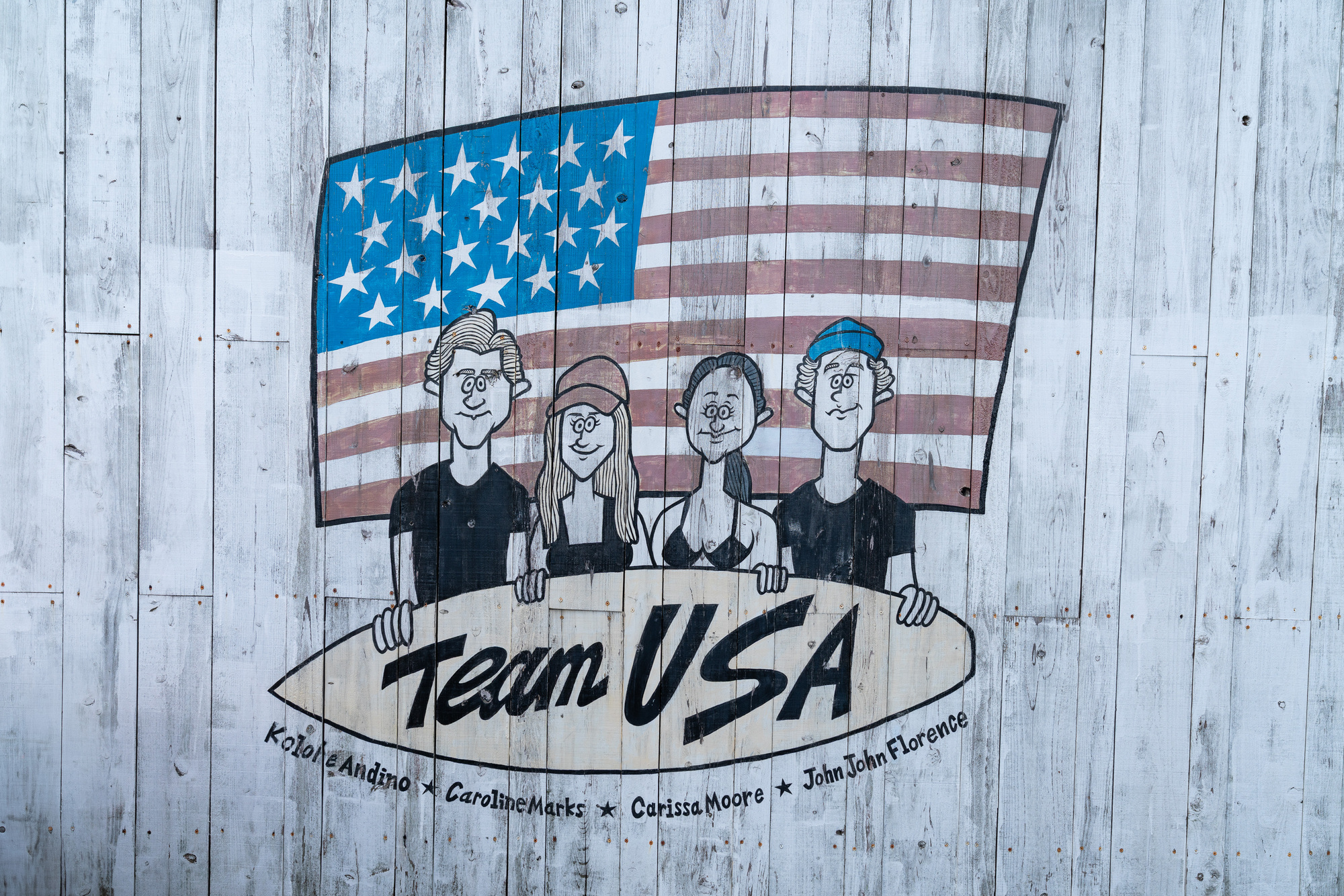
By 2015, Mune had opened Third Place, a surf-focused retreat just three minutes’ walk from the coastline. When the surfing competition took place in July 2021, Third Place hosted the American surfing team for three weeks. Carissa Moore from Hawaii won the first-ever Olympic gold medal in women’s surfing, and the celebration at Third Place was legendary. The American team joked about the name ‘Third Place’, saying it should instead be called ‘First Place’. The connections formed during those weeks endured, and the American team members have since returned to Ichinomiya to enjoy the atmosphere of the town post-pandemic.
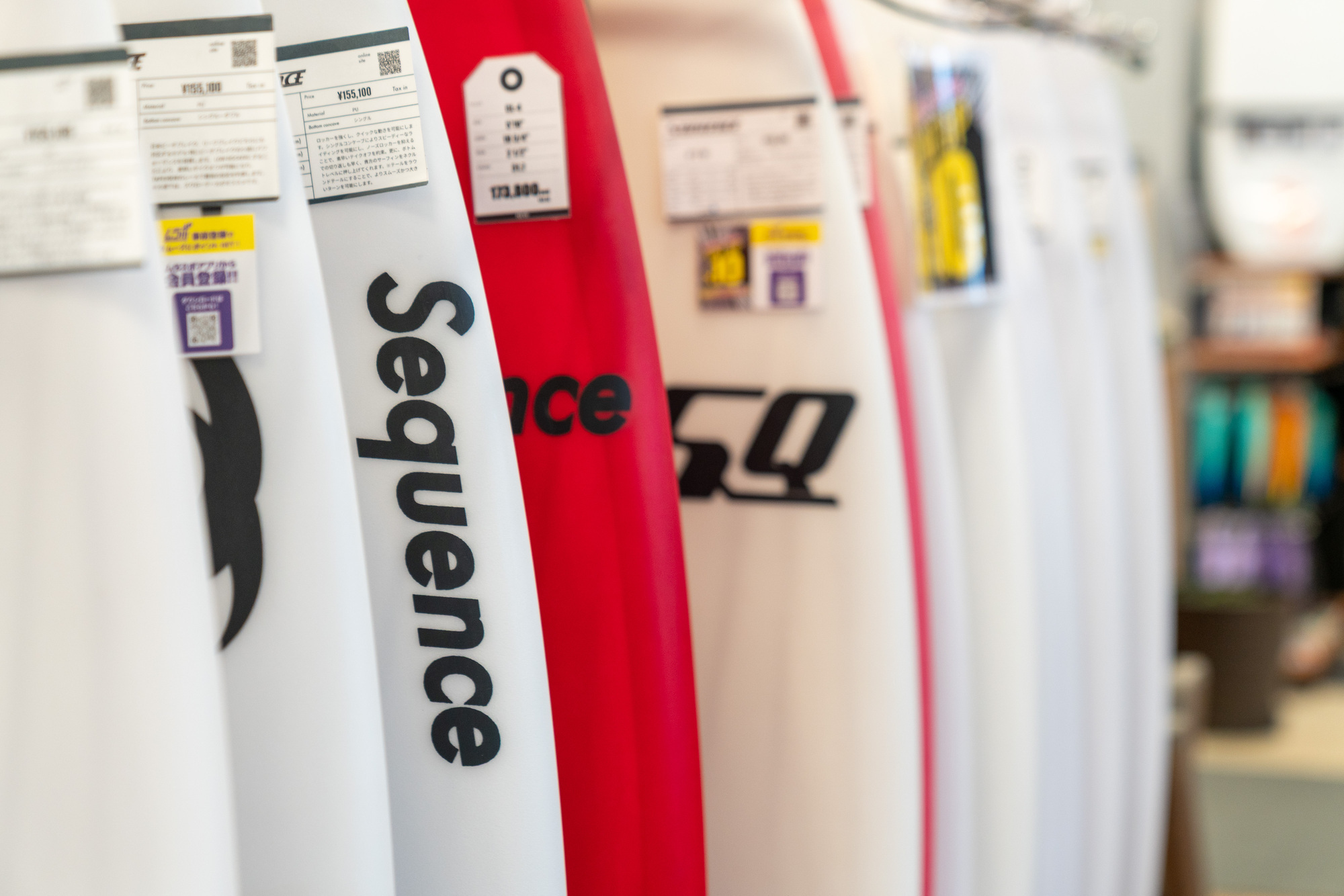
What makes Ichinomiya unique among surf towns worldwide is its role as a surfboard manufacturing center. The industry functions as a wholesale hub for surfboard brands, and surfboards have become the top source of revenue for the town’s hometown tax program, a distinctively Japanese crowdfunding system where people can donate to municipalities in exchange for local products. This traces directly back to Nakamura’s CHP Surf Shop, which established Ichinomiya as a production center nearly 50 years ago. Today, numerous shapers work here, producing boards that rival overseas quality. While many boards are manufactured cheaply in China, Taiwan, or Vietnam for import, Japanese craftsmen maintain their reputation for precision. Recently, Asian surfers at international competitions have performed well using boards shaped by Japanese craftsmen.
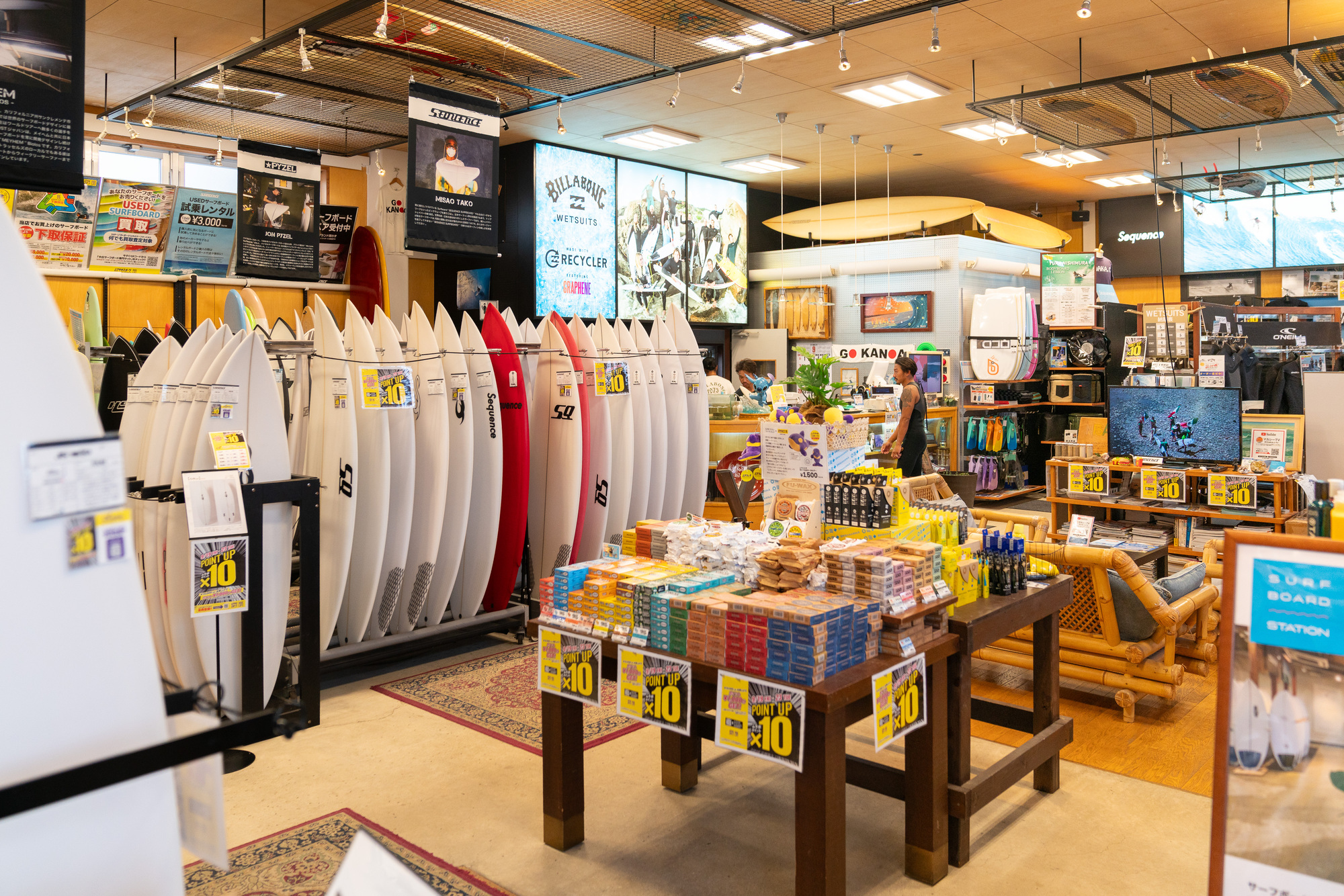
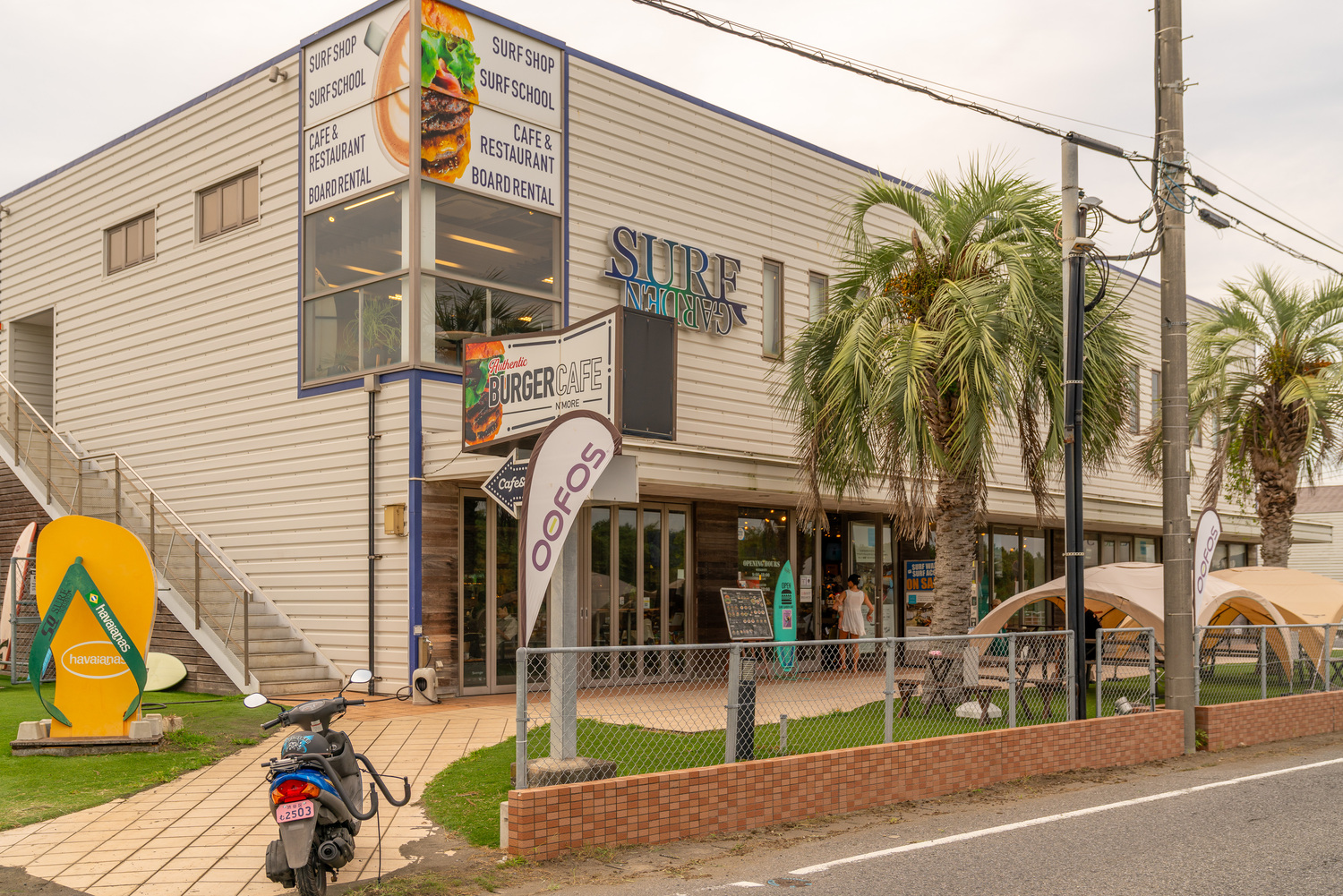
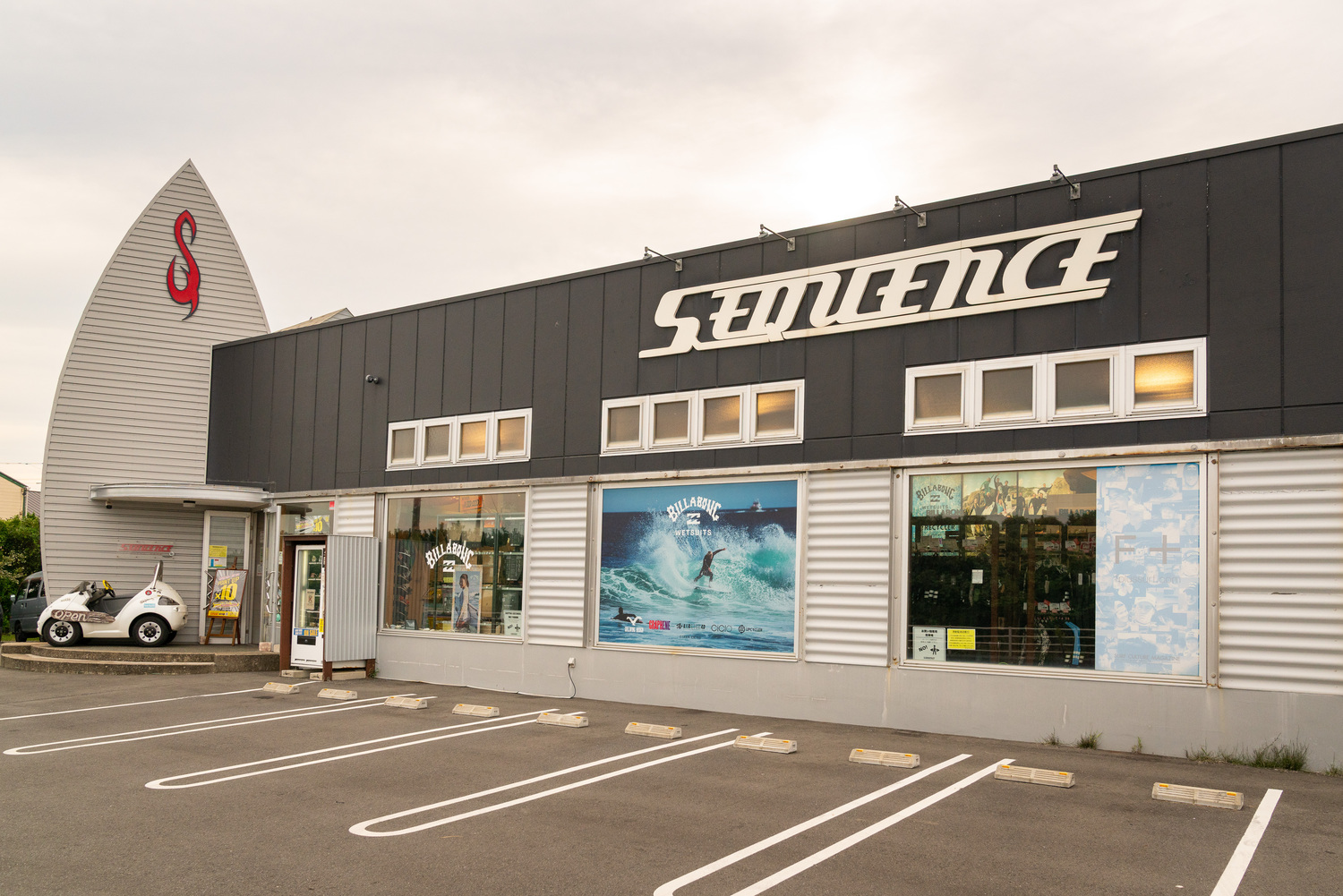
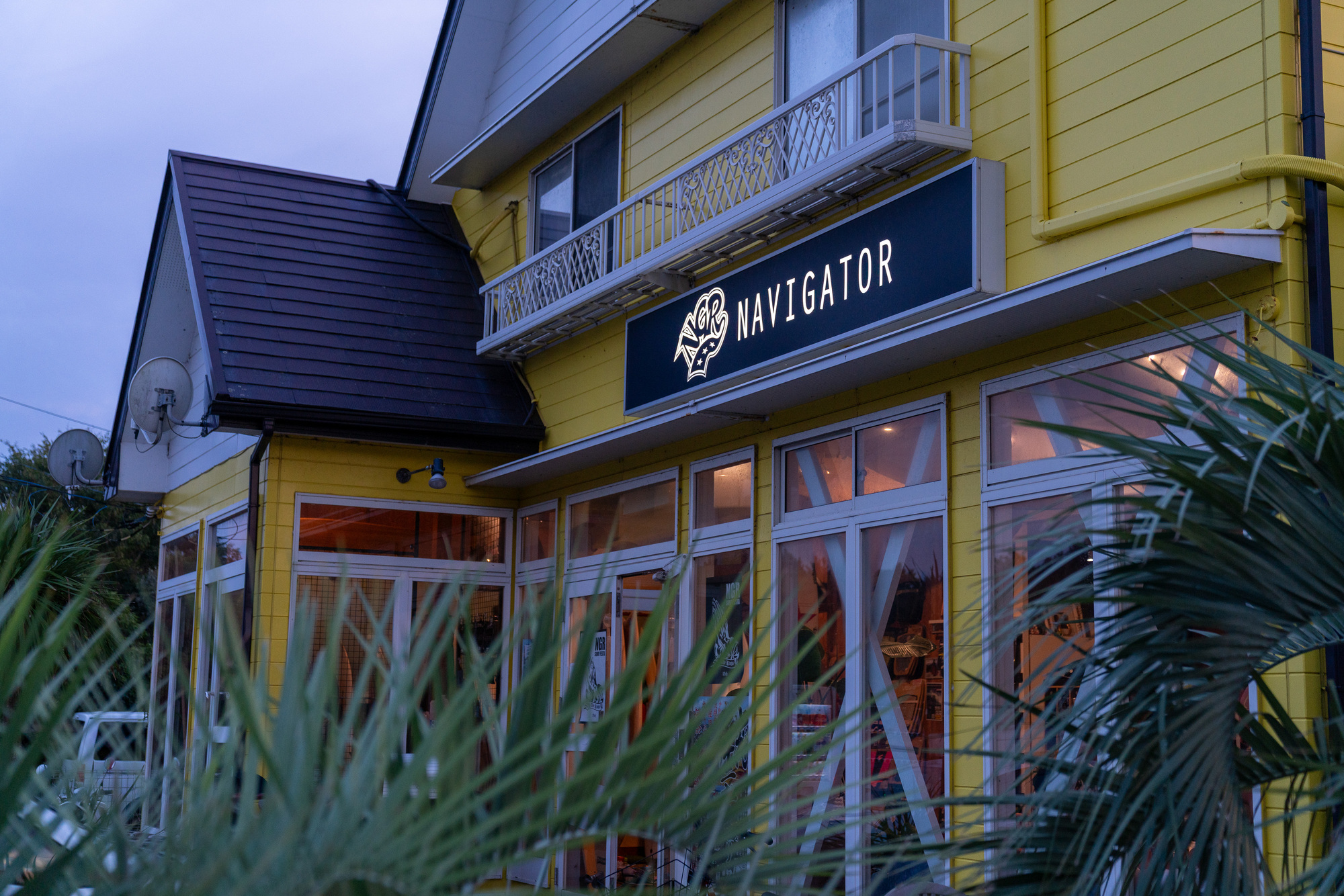
The Kujukuri Beach Line runs parallel to the coast, and most surf shops are located right along this road. CHP remains foundational, offering board rentals and lessons for all levels. WREATHS, a laid-back shop with easy access to Tsurigasaki Beach, offers rentals and has a shower outside for rinsing down after being out in the waves. Murasaki Sports operates a shop and café, with the attached Surf Garden offering beers and burgers. Mr. Yoshioka, who moved from Tokyo twenty years ago while still a teenager chasing professional dreams, now works at Murasaki Sports with his wife and son, all surfers. Sequence, selling boards from local and overseas manufacturers, and Navigator, operated by Uzawa Kiyohisa, a local legend deeply connected to local manufacturing, represents the wholesale hub aspect. Uzawa-san witnessed the Olympics boost both tourism and the technical capabilities of local craftsmen.
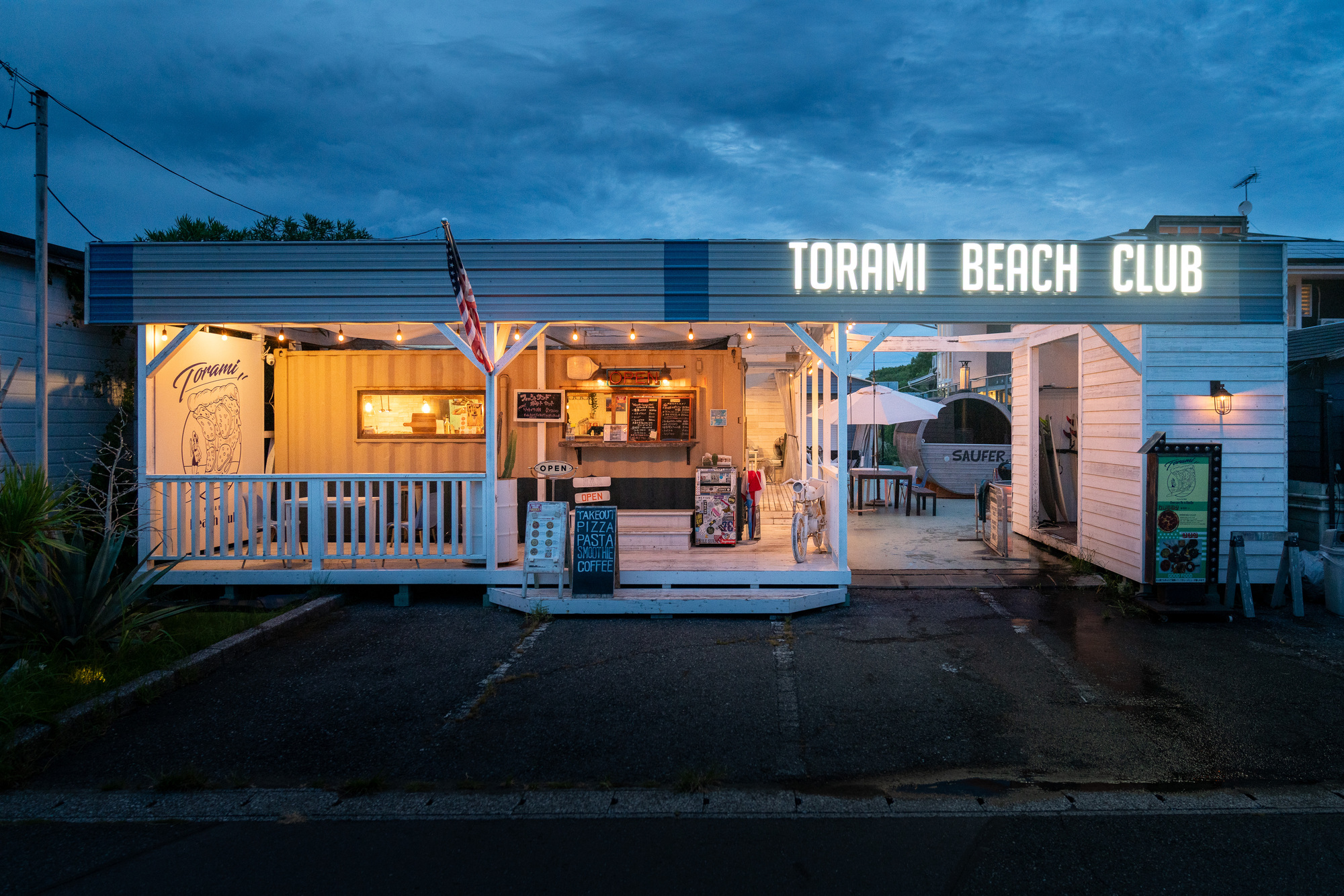
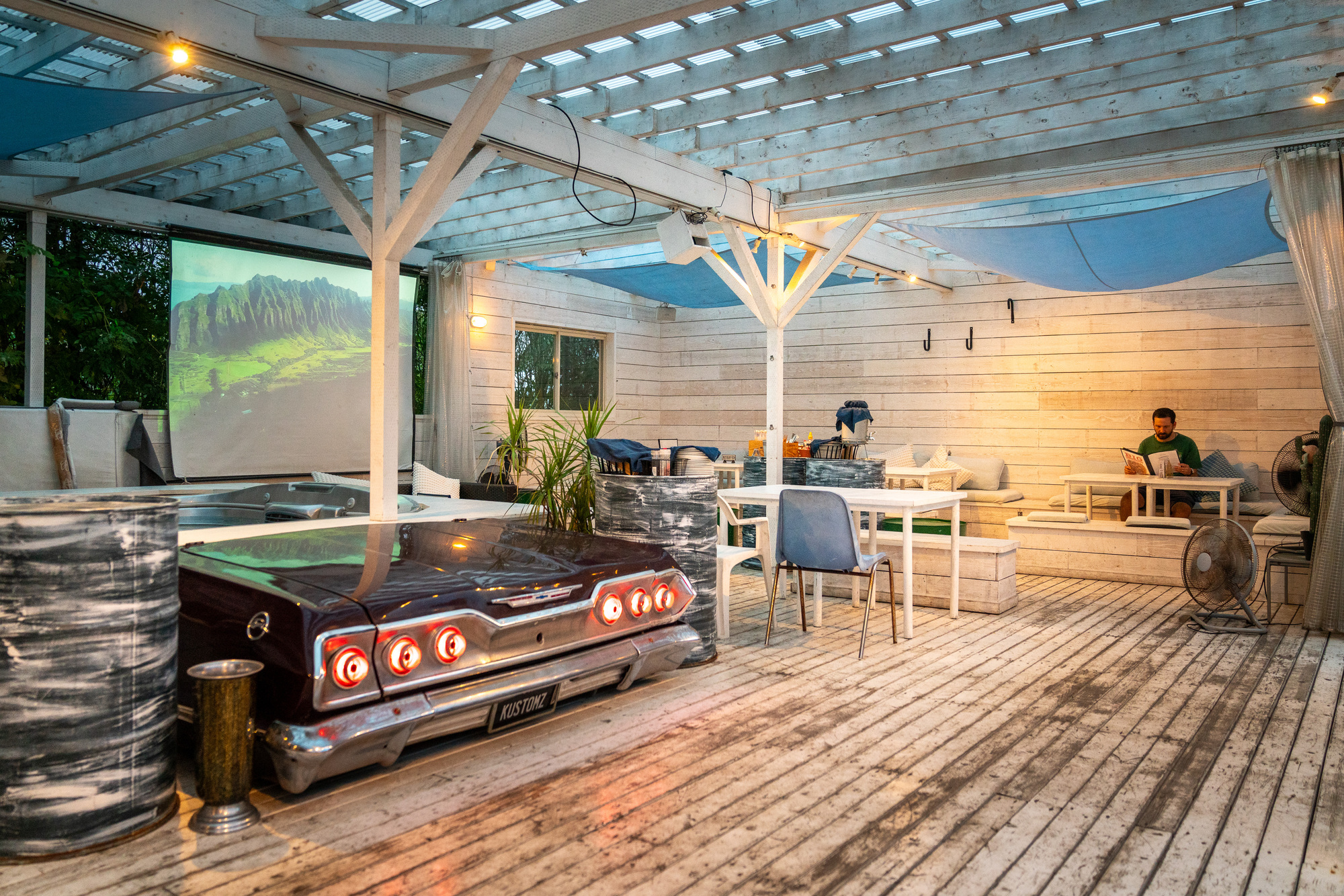
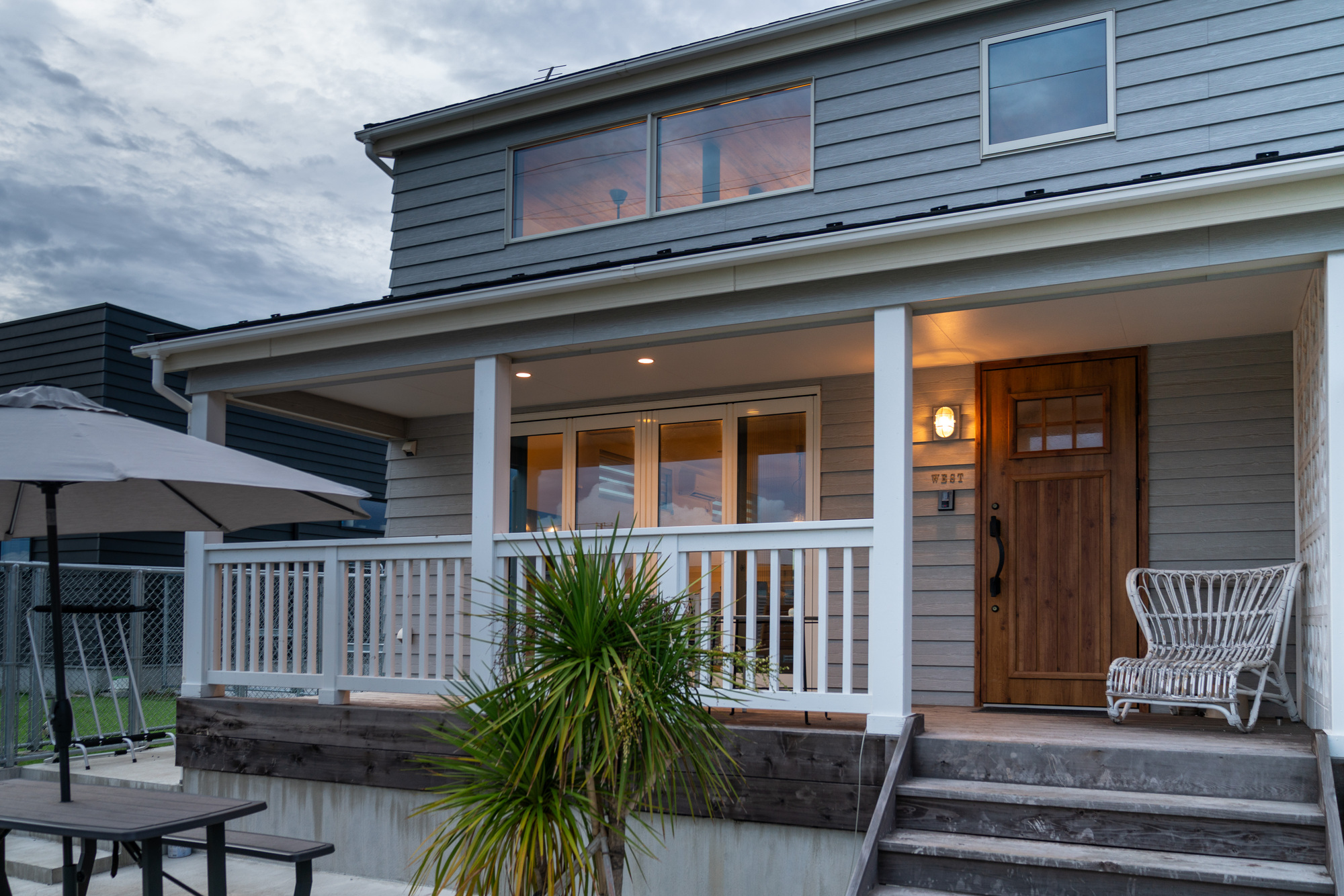
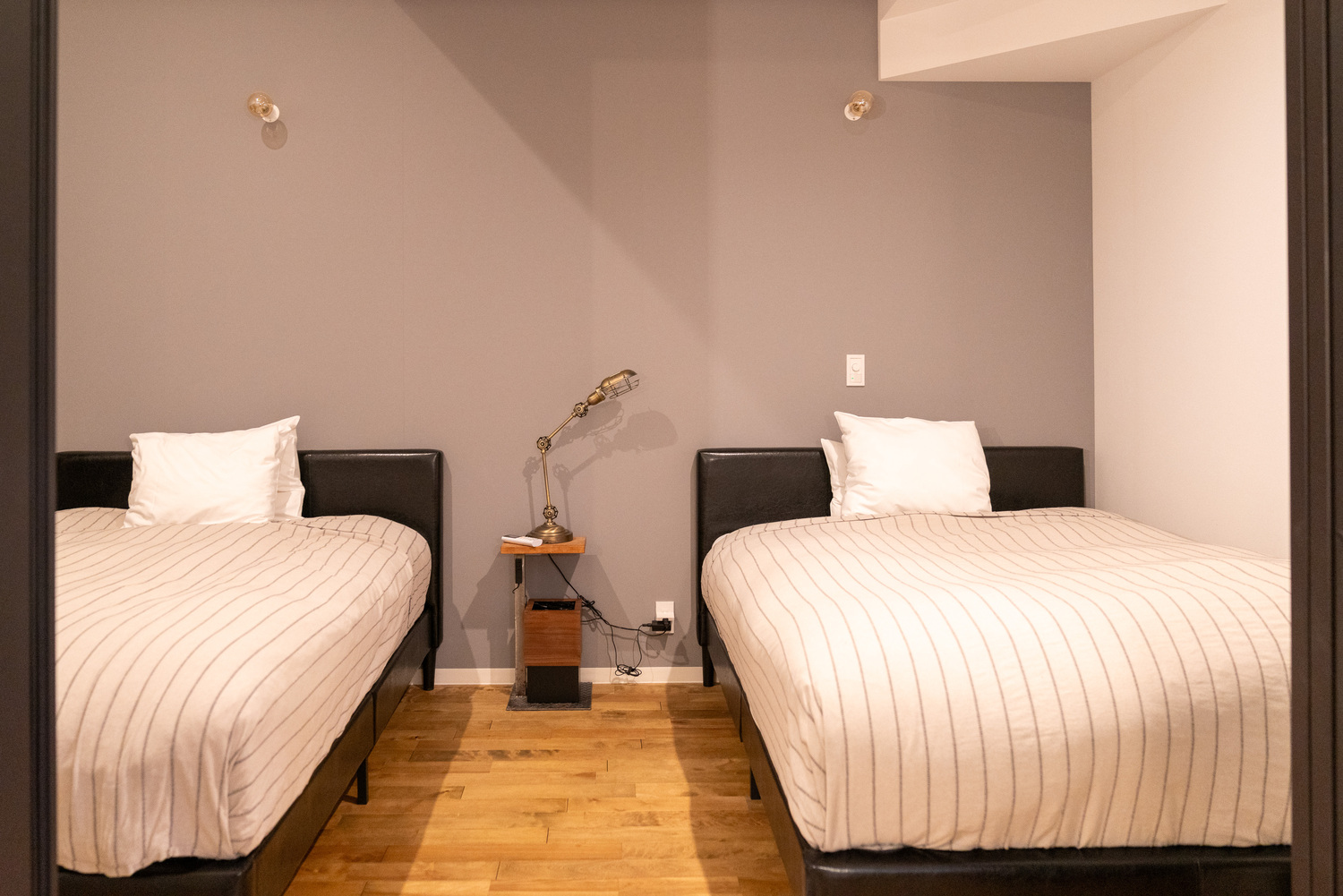
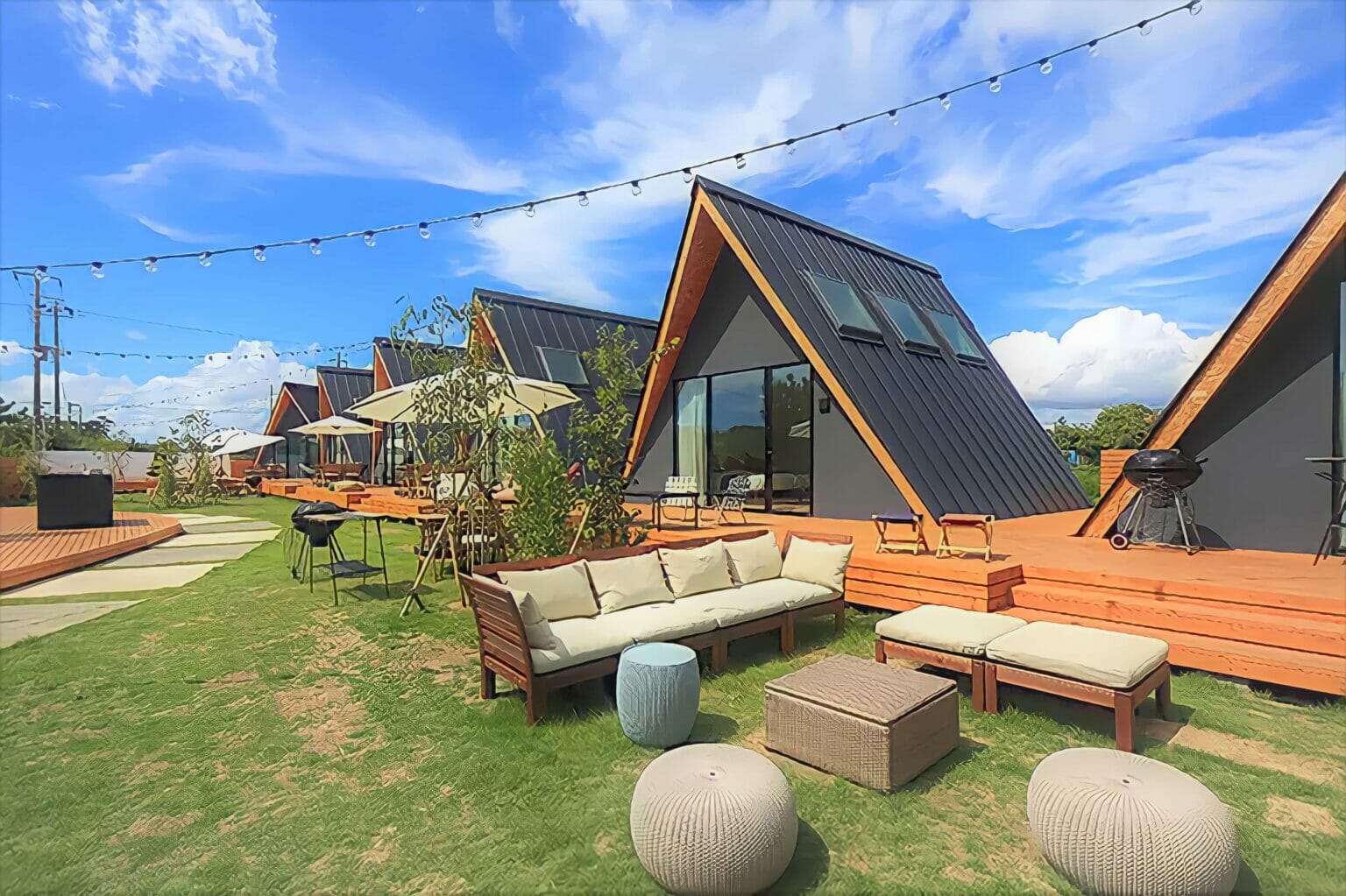
Third Place has evolved beyond a traditional pension guest house into a comprehensive retreat. The property includes the original pension guest house, Torami Beach Club, and two Maisonette suite style apartments. These modern spaces feature open-plan living areas and fully equipped kitchens, with two double beds downstairs and a loft sleeping area upstairs. Each unit has an outdoor area with a barbecue, and the property is pet-friendly. Mune specifically designed it so that surfers don’t have to choose between their passion and family obligations. The car park between the beach club and apartments serves as an informal theater of surf culture, where surfers prepare boards and swap stories from dawn to dusk. Torami Beach Club serves as the community hub, where locals and visitors can connect over meals and drinks.
What truly distinguishes Ichinomiya from Western surf towns is the relationship between communities. Mune’s years in surfboard manufacturing gave him connections spanning young shapers to older farmers. There is no generational divide, with surfer-farmers taking over the working of aging fields and supplying local restaurants with fresh produce year-round. The younger generation inherits farms while maintaining traditional practices, and farmers’ children become surfers.
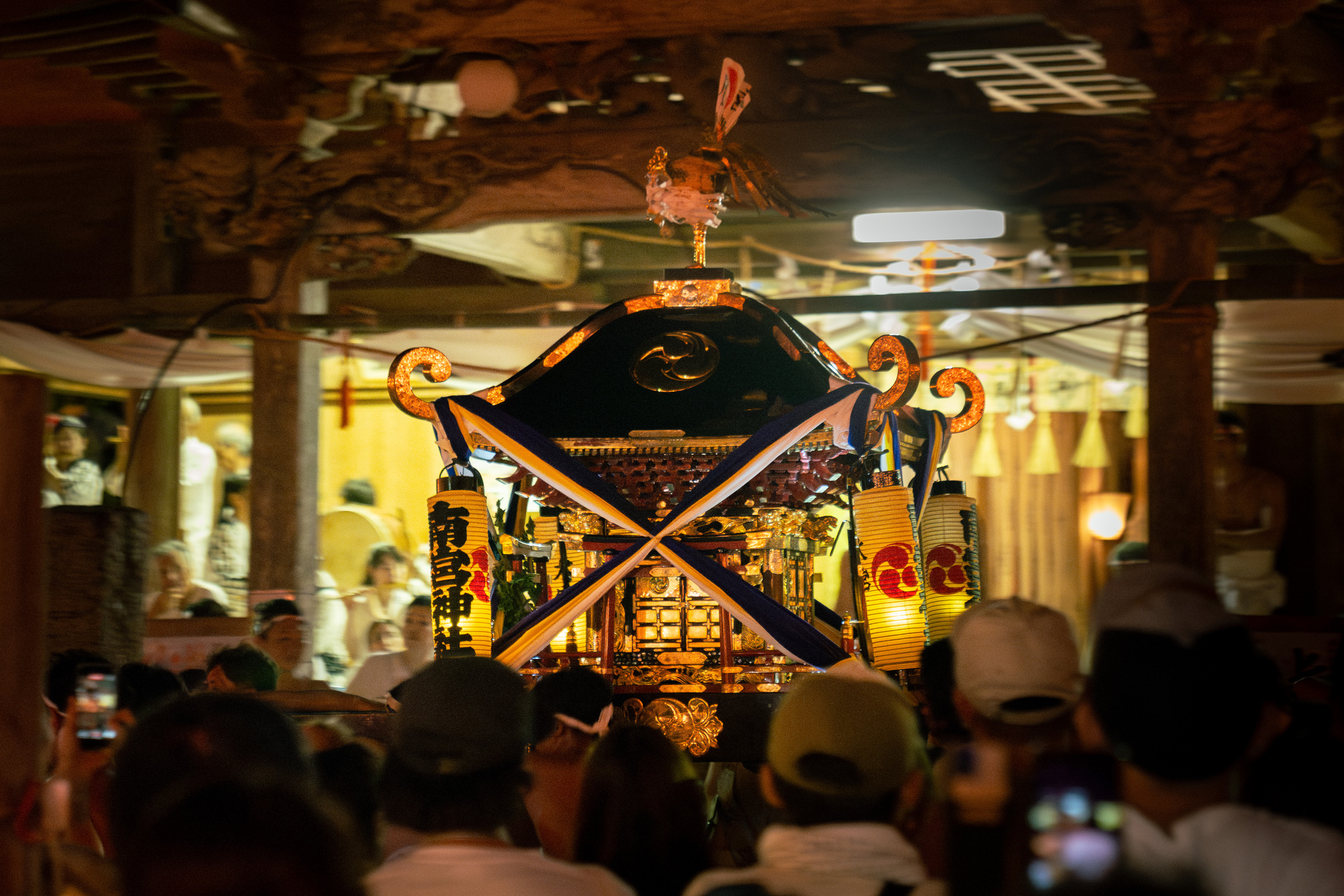
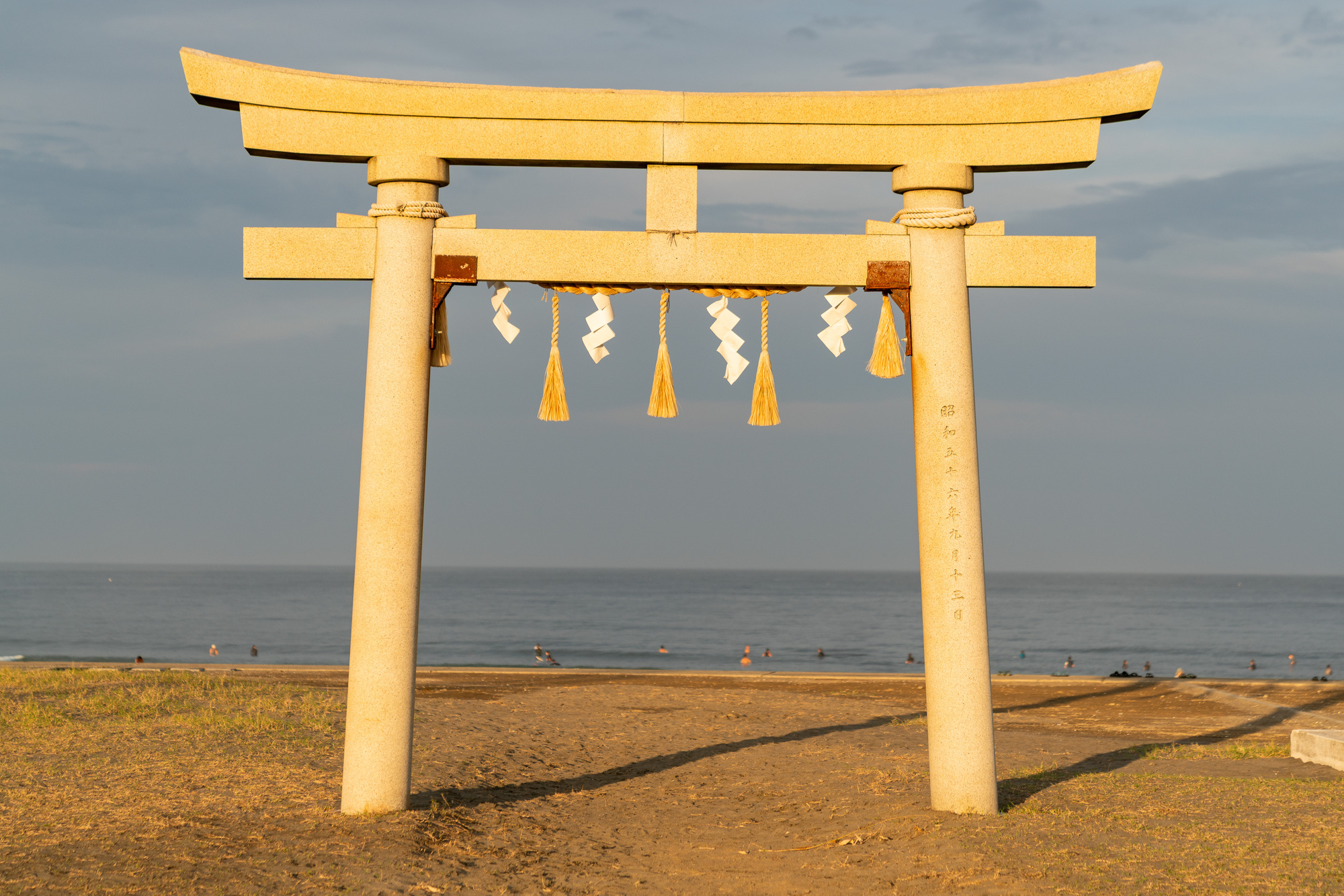
The town has maintained its agricultural character even as the coast developed. Unlike many surf destinations that over time lose their original identity to tourism, Ichinomiya remains a Japanese countryside town that also happens to have exceptional surfing. Tamasaki Shrine hosts traditional rituals that predate surfing by a millennium, and in autumn is host to a traditional Matsuri festival with portable shrines carried from regional shrines down to the beach for cleansing at the very spot where the surf breaks. This blending of Shinto tradition with surf culture has happened naturally, without a forced quality that often happens when tradition is merged with tourism.
For visiting surfers, this dual identity creates an experience unlike typical destinations. You can spend mornings riding Pacific swells, eat lunch at restaurants supplied by local farms serving fresh sashimi and kaisendon seafood on rice, visit ancient shrines, purchase premium Japanese-shaped surfboards, and sleep in accommodation reflecting this unique combination of surf culture and Japanese hospitality.
The farmers respect the surfers, and the surfers respect the farmers. The waves keep coming, the rice keeps growing, and Ichinomiya continues its quiet existence as both a traditional agricultural town and an internationally recognized surf destination.
Frequently Asked Questions about Ichinomiya
Q: How do I get to Ichinomiya from Tokyo?
A: Ichinomiya is very accessible. Take the JR Wakashio Limited Express train from Tokyo Station. You will arrive at Kazusa-Ichinomiya Station in approximately 60 minutes, or 90 minutes if you come by a regular train on the JR Sotobo Line.
Q: Is Ichinomiya good for beginner surfers?
A: Yes. While Tsurigasaki Beach is famous for its powerful Olympic-level waves, the area has many surf schools and shops, like CHP, offering lessons and rentals for all levels on the more forgiving sand-bottom breaks nearby.
Q: What is special about Ichinomiya’s surf culture?
A: Ichinomiya has a unique culture where modern surf life and traditional Japanese agriculture coexist. You will find “surfer-farmers” who blend the two lifestyles, ancient Shinto shrines hosting festivals on the beach, and a world-class surfboard manufacturing industry.
6961-1 Torami, Ichinomiya
(10 minutes by car from JR Kazusa-Ichinomiya Station)
2738-1 Ichinomiya, Ichinomiya
(2-minute walk from JR Kazusa-Ichinomiya Station)
+81-475-47-2100