Things to Do | Visit Chiba | Latest update:2026/03/12

Don Kennedy
Hi! My name is Don Kennedy and I shoot, edit, and produce photo and video work. Having grown up in a sleepy town in rural Australia, in 2005 I moved to the world's largest metropolis and have been loving living here ever since. I’m based on the east side of the city, near Ueno, and really enjoy the relaxed atmosphere, the warmth of the locals, and the history of the area. As Tokyo is such an incredibly walkable city, you might see me wandering around with a camera in hand during the day, or making the most of the amazing food options in an izakaya or restaurant at night.
Contents
Ubara Utopia: The Abandoned Dream of an Elite ResortFive Generations of History at Ubarakan RyokanThe Tunnel and Cave Baths: A Hand-Carved Onsen ExperienceHiking the Headlands: Chiba’s Version of the Great Ocean RoadA Seafood Legacy: From the Harbor to Your Table Local Flavors: Searching for the Best Katsuura TantanmenPlanning Your Trip: How to Reach the Forgotten CoastWhen Tokyoites plan coastal getaways, they head to familiar names: Kamakura, with its temples and beaches an hour south, and Atami, with its hot springs along the Izu Peninsula. These are the established destinations, the ones that have been welcoming visitors for generations.
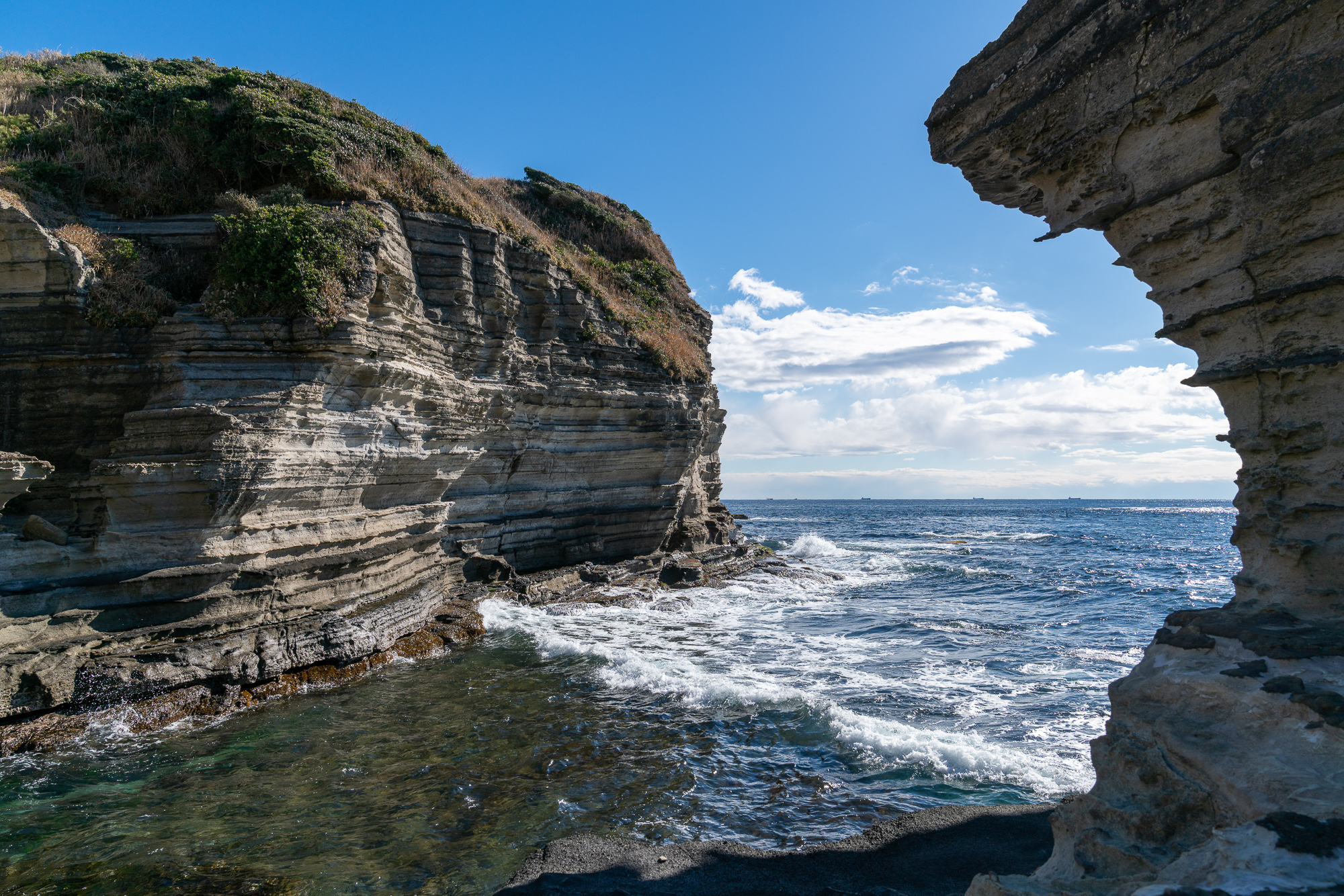
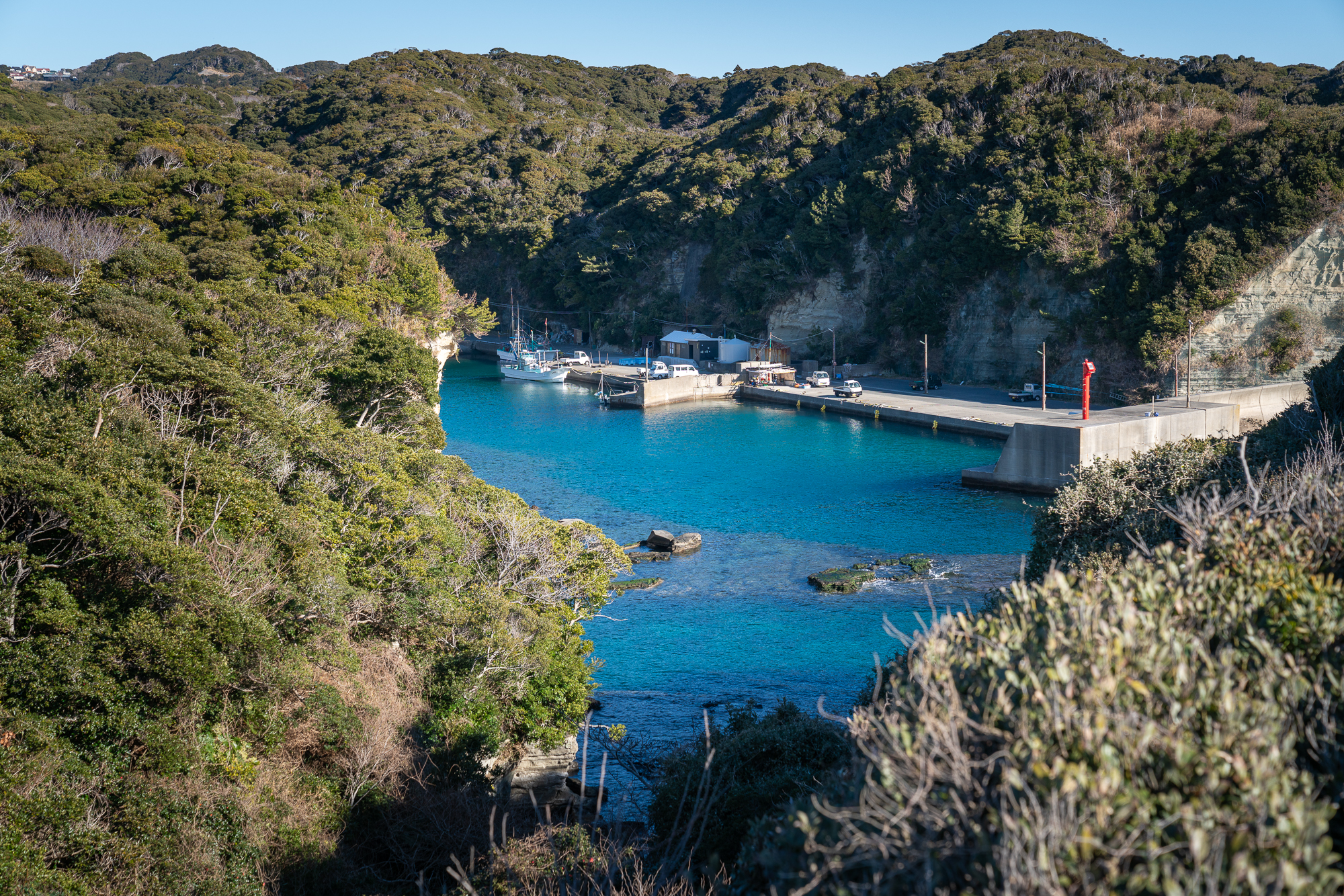
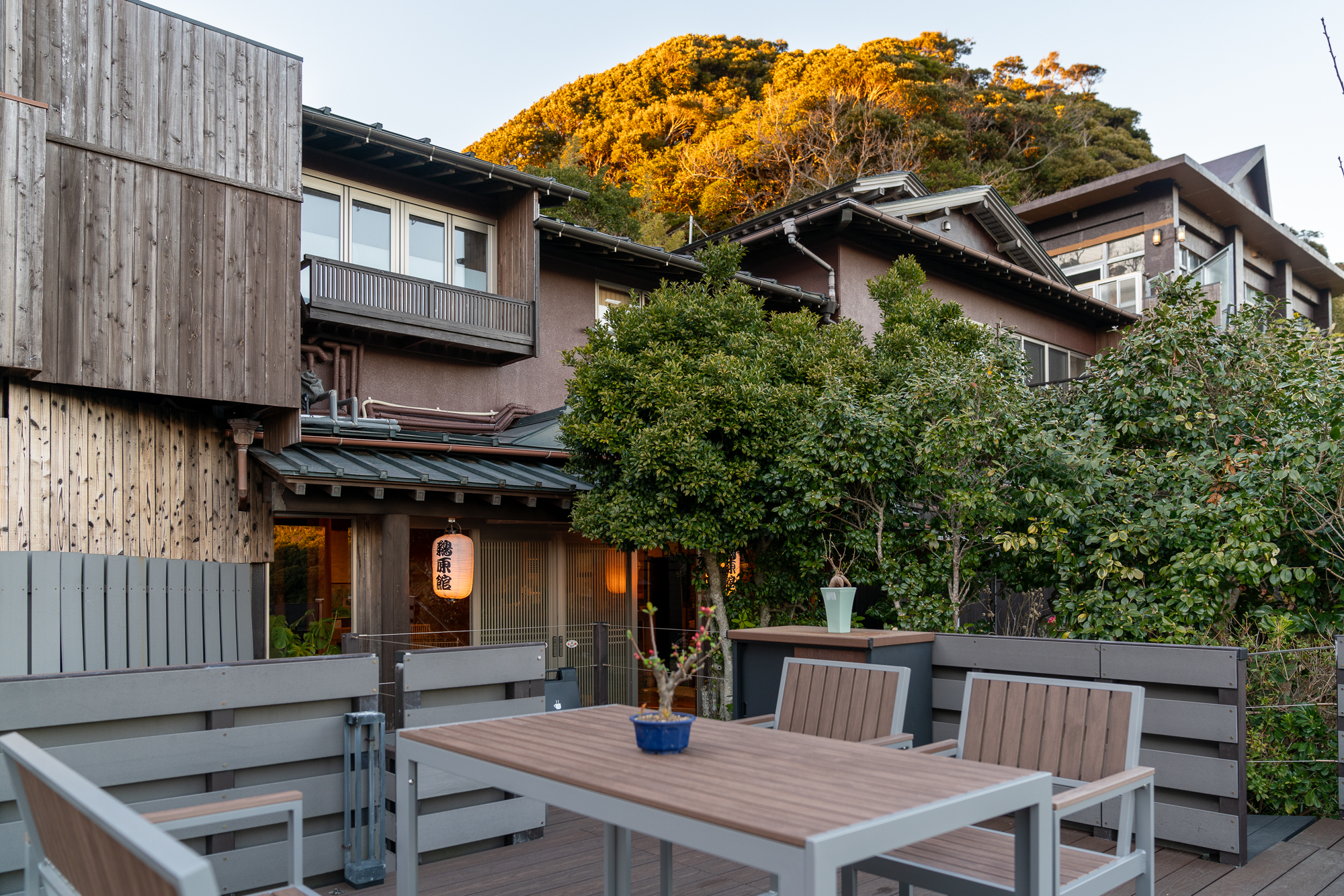
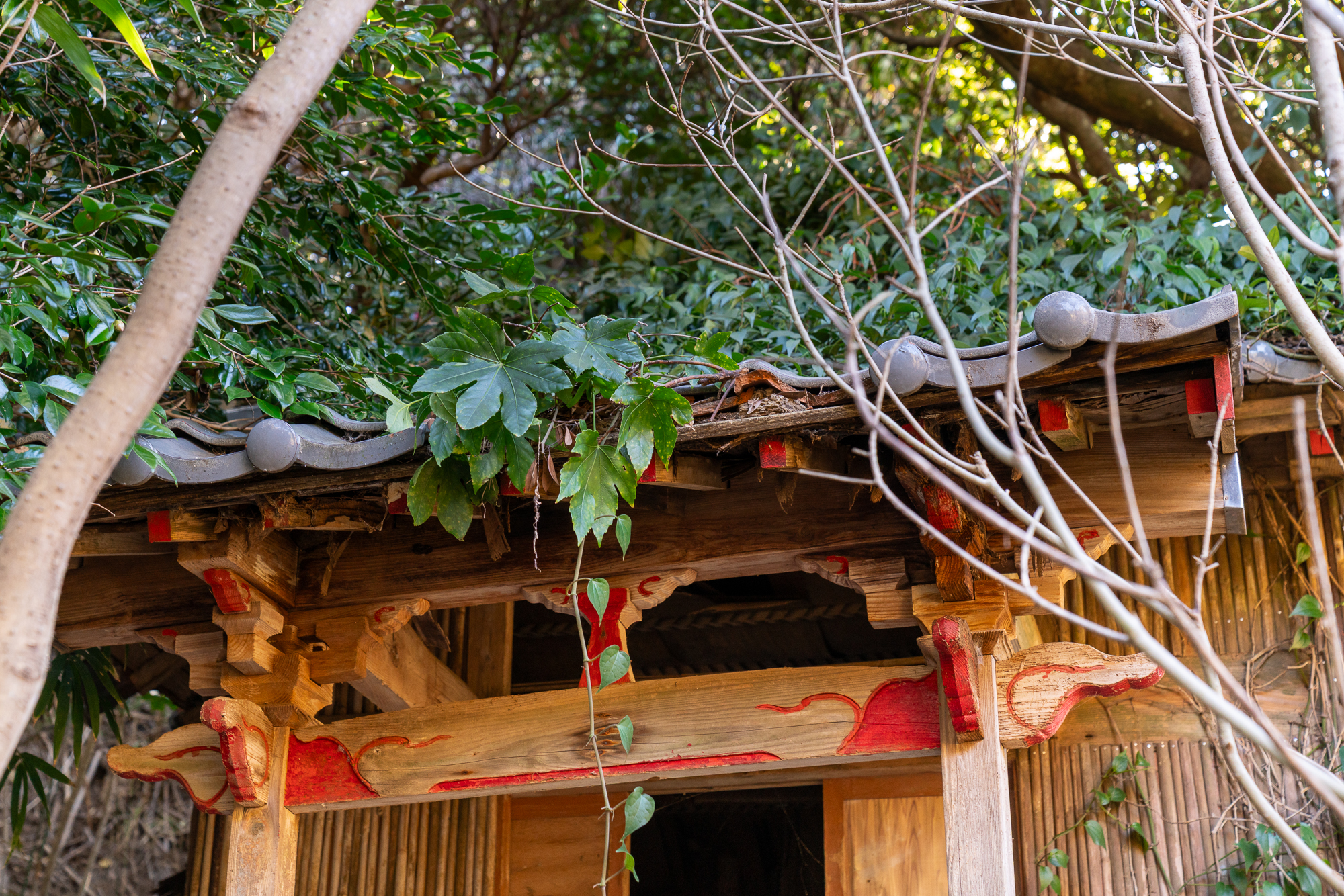
Ubara, located on the southeastern coast of Chiba coast, was meant to join their ranks. In the early 1920s, developers envisioned it as an ideal seaside retreat for cabinet ministers and Tokyo’s elites, calling it “Ubara Utopia.” The railway was extended from Katsuura specifically for this project, and the Ubarakan ryokan was built near the entrance to welcome the anticipated guests.
Ubarakan & Ubara Utopia: Key Details
Access: 10-minute walk from JR Ubara Station.
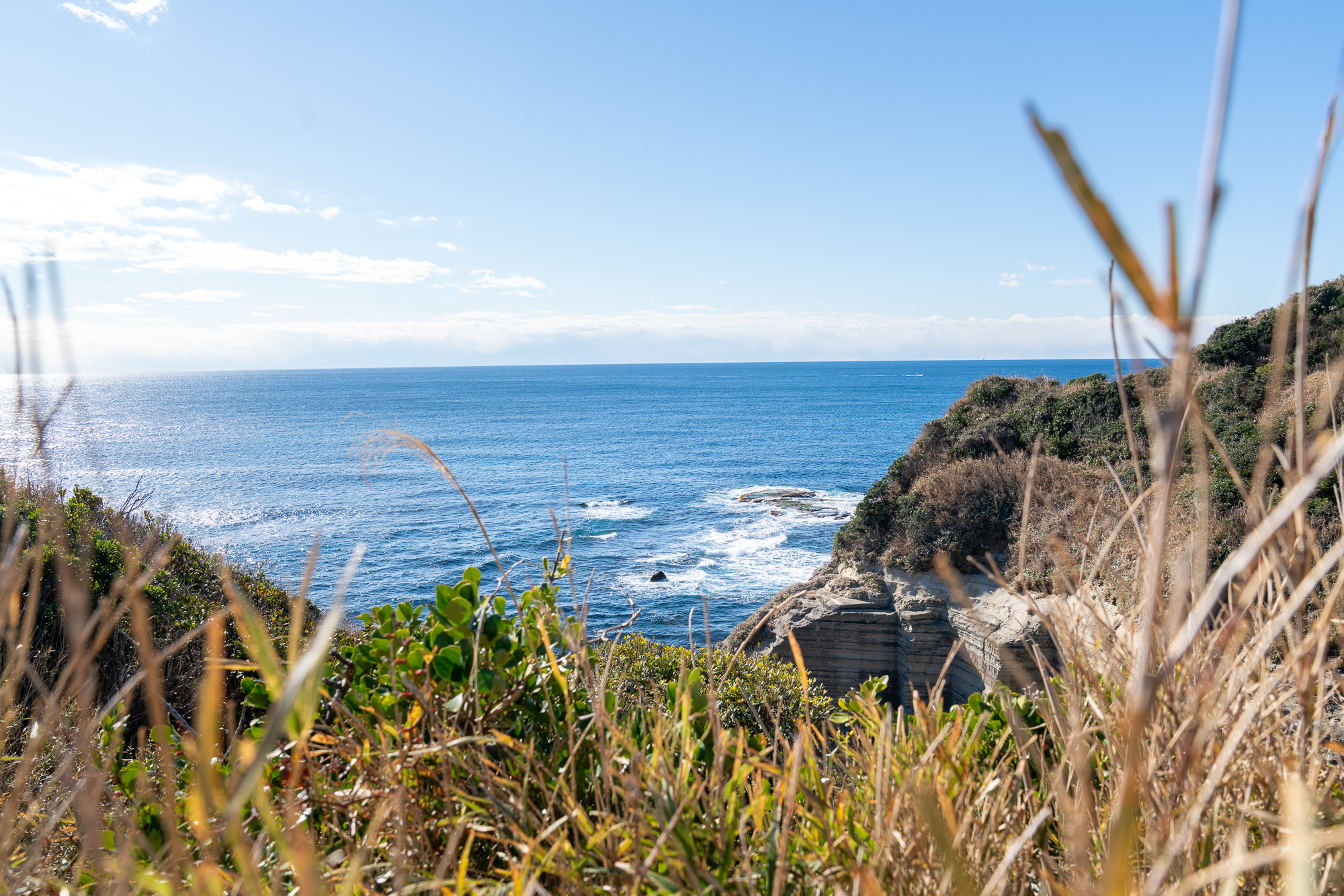
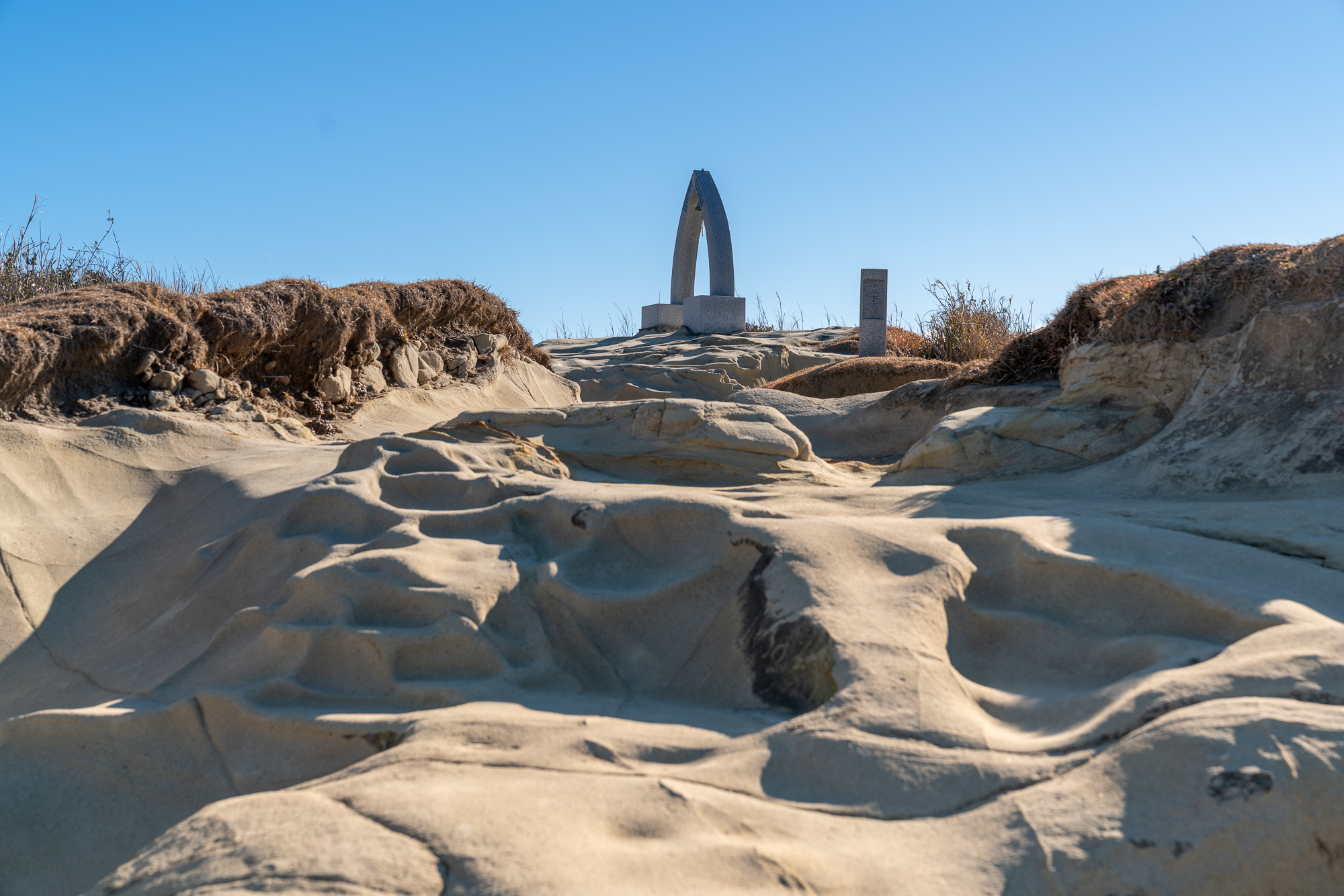
Then came 1923 and the Great Kanto Earthquake which devastated Tokyo and Yokohama. With all available capital redirected to emergency rebuilding, speculative resort projects were abandoned, and the dramatic cliffs along this rugged coastline remained undeveloped. What failed as a lofty resort development became something else entirely.
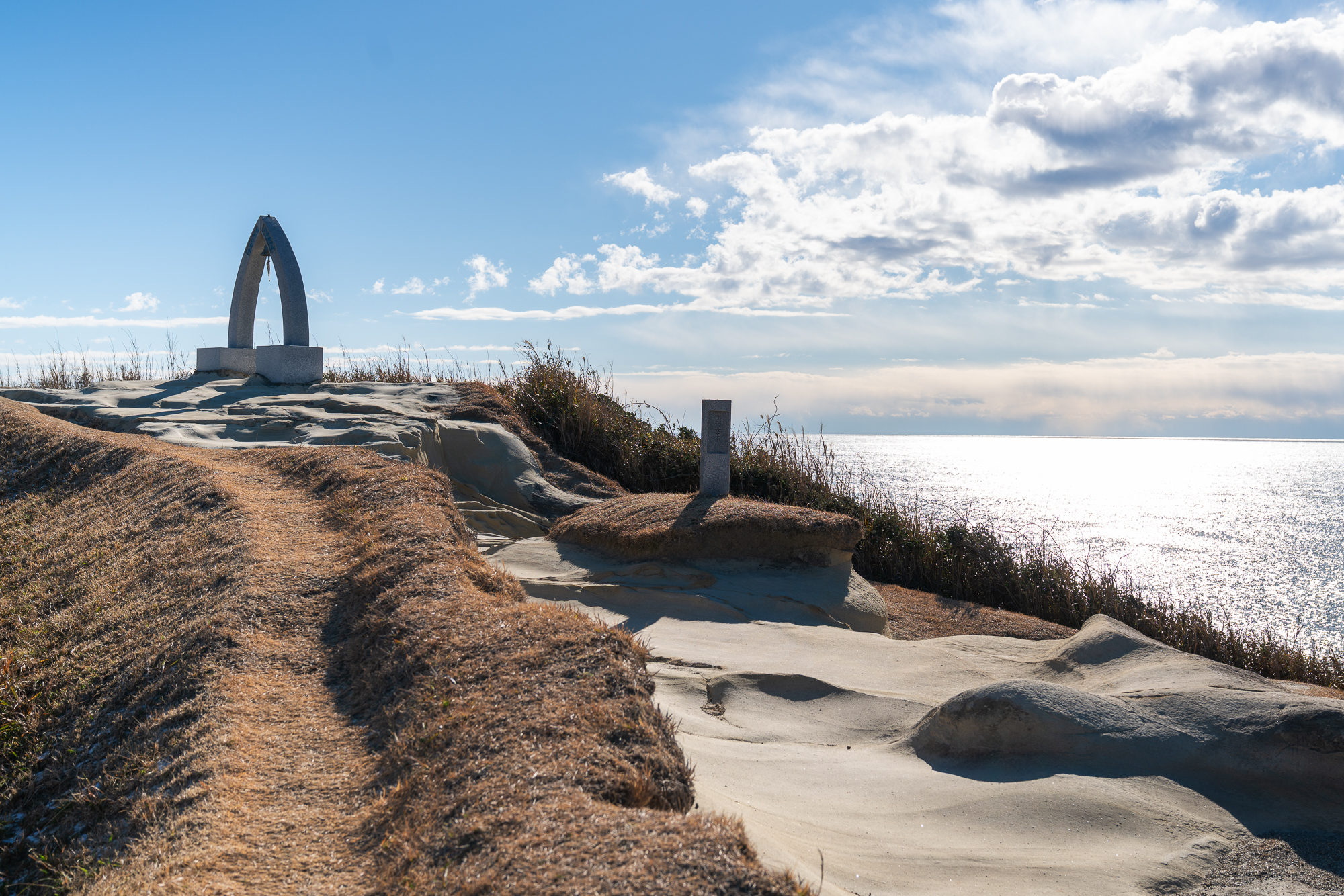
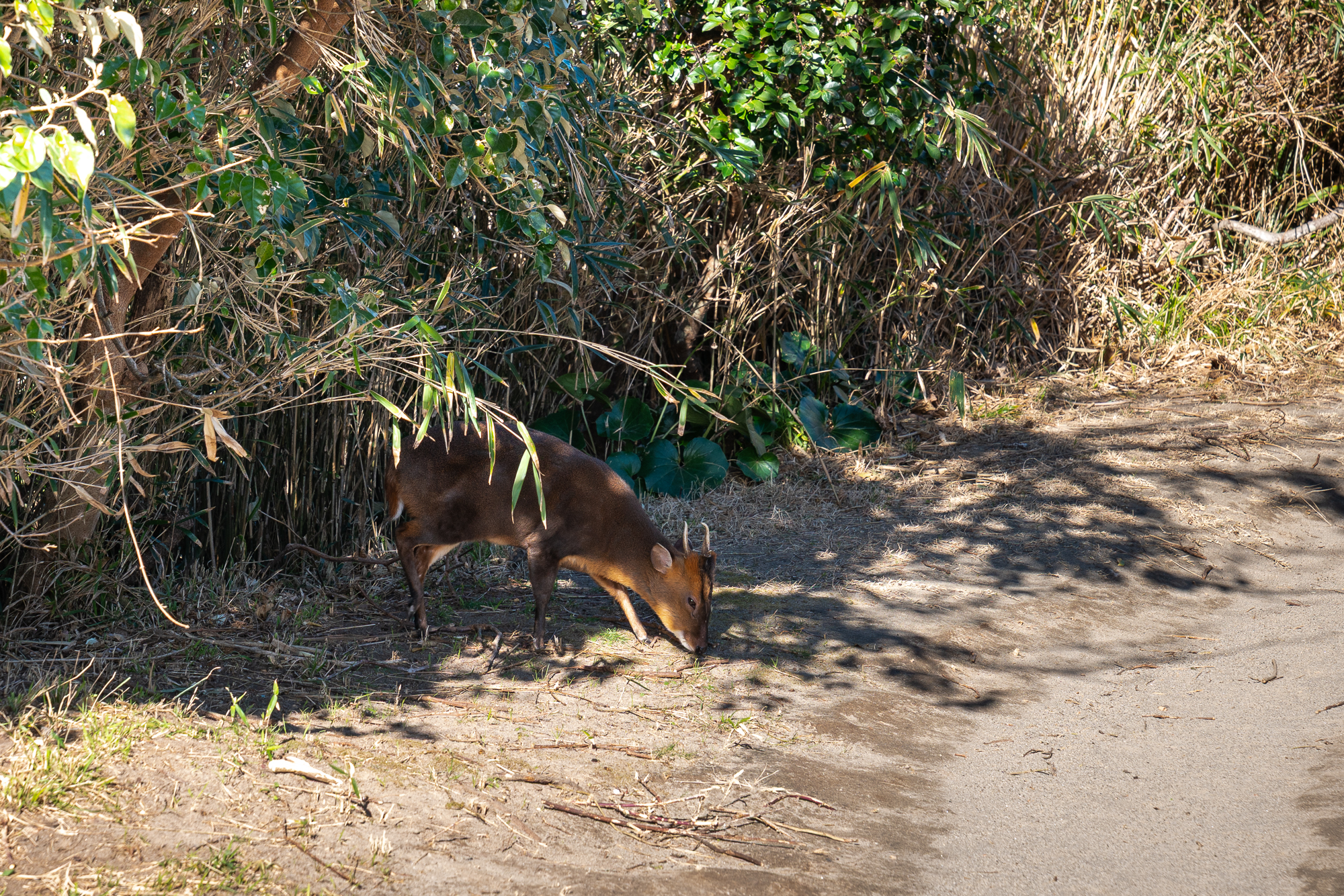
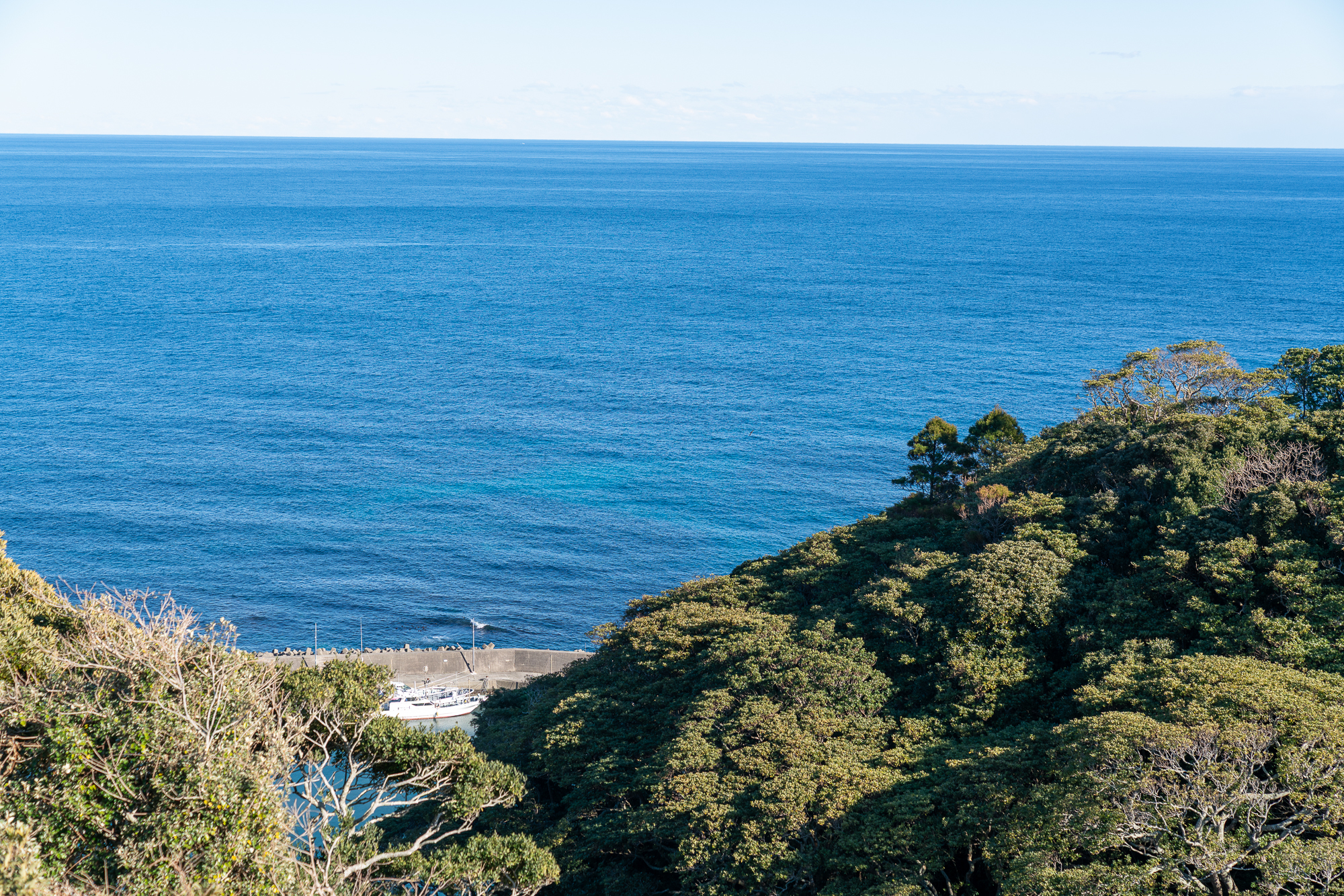
Today, hiking trails wind for kilometers along the headlands where those grand estates might have stood, offering views across the Pacific and tracks down to the ocean reminiscent of the Great Ocean Road in Australia. One of the few remnants of that abandoned dream, Ubarakan, is now run by its fifth generation executive director, Goto Kyugo, who was born and raised in the ryokan.
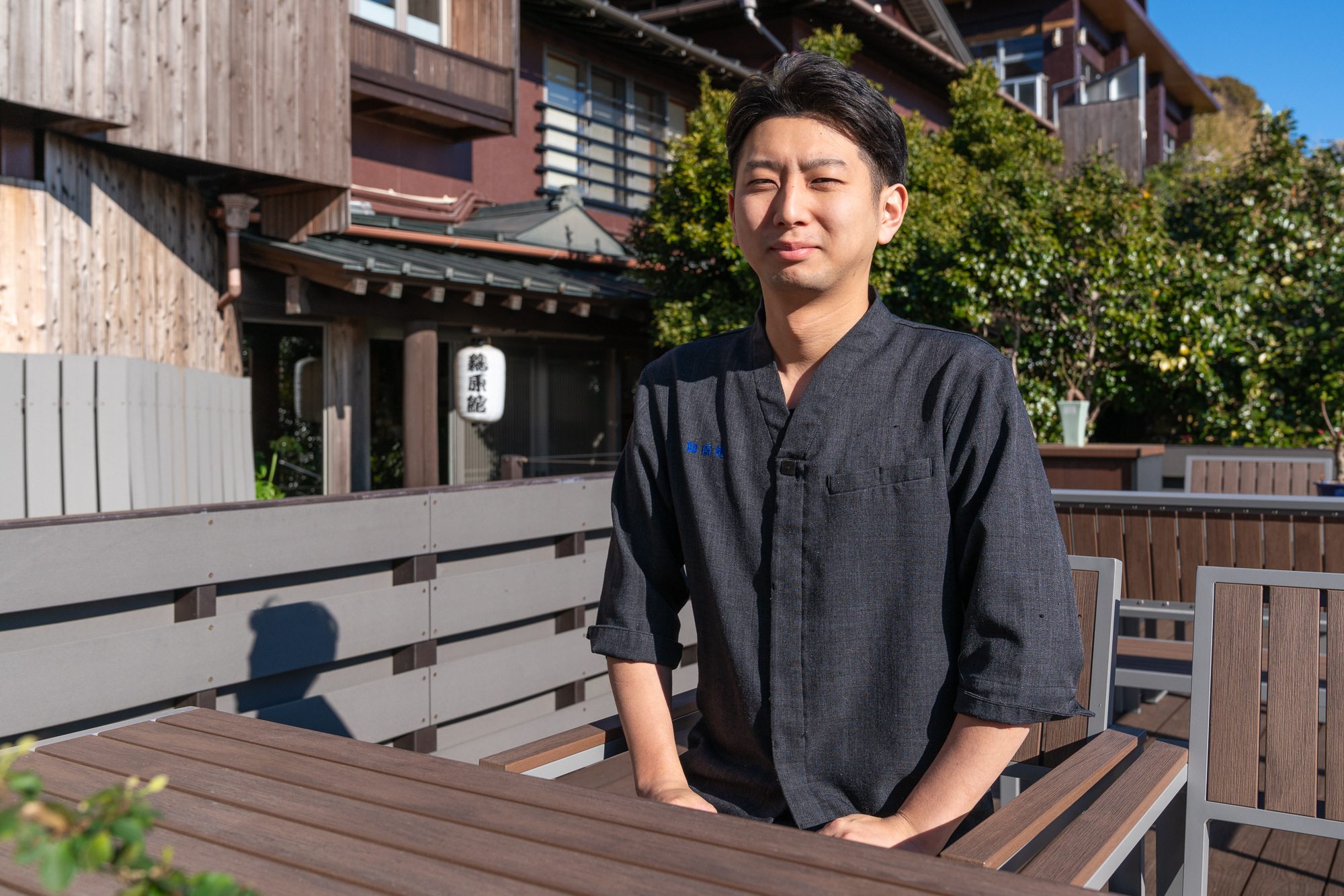
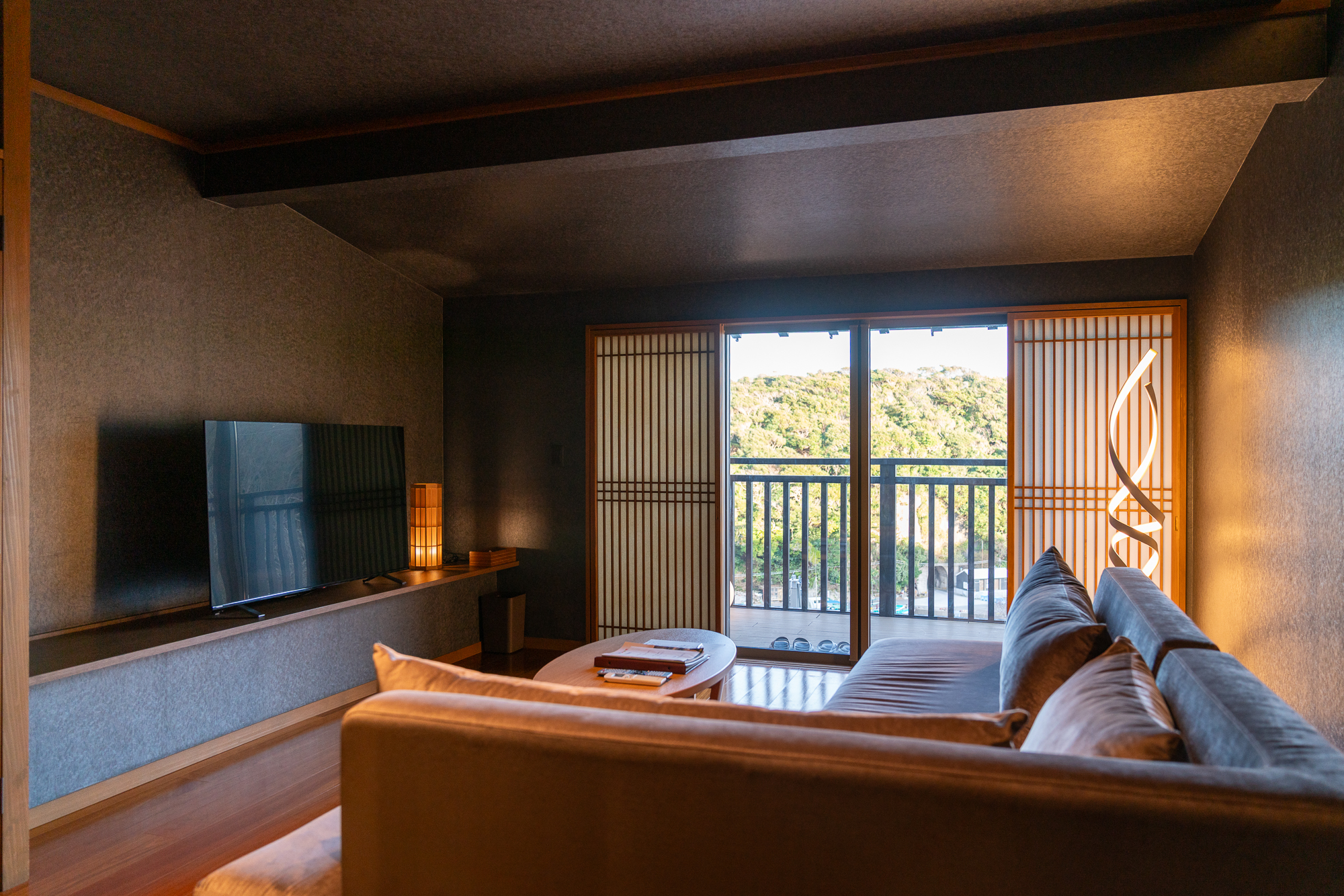
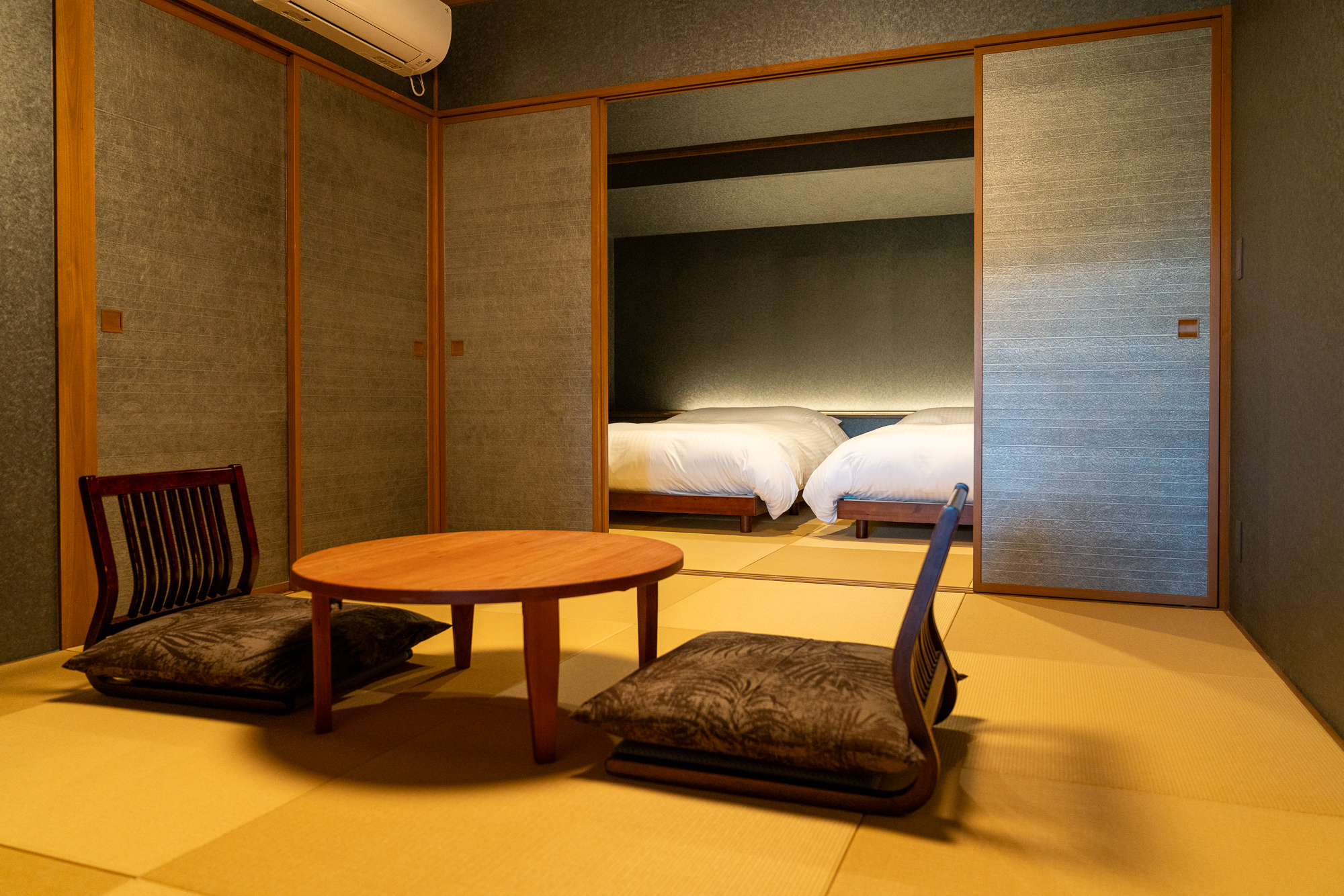
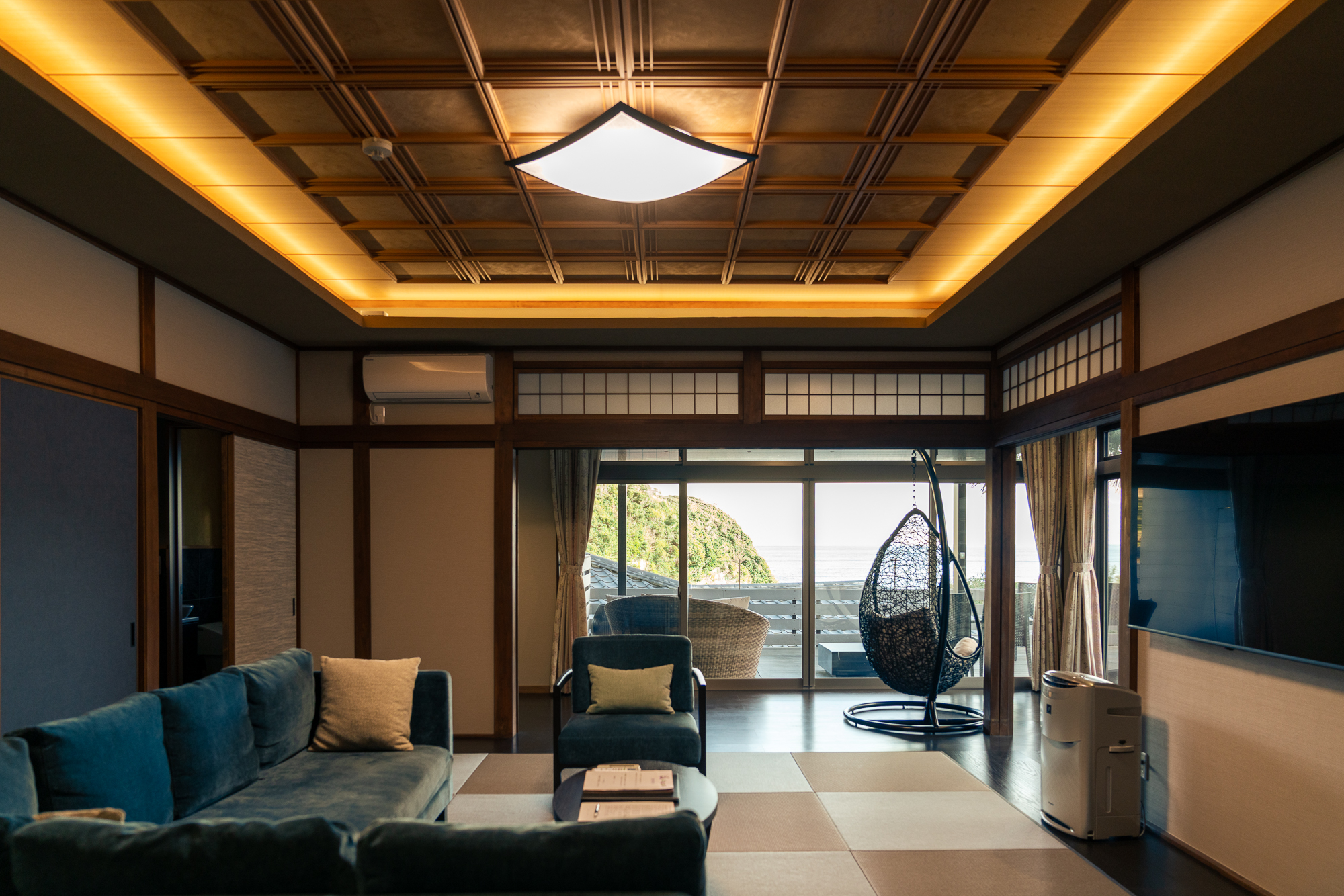
Goto Sugihisa was the first owner and the developer of Ubara Utopia, so when the resort dream faded, the family’s ryokan remained. The first and second generations passed away quickly, and it was Goto-san’s grandfather, the third-generation owner, who truly shaped the ryokan as it exists today.
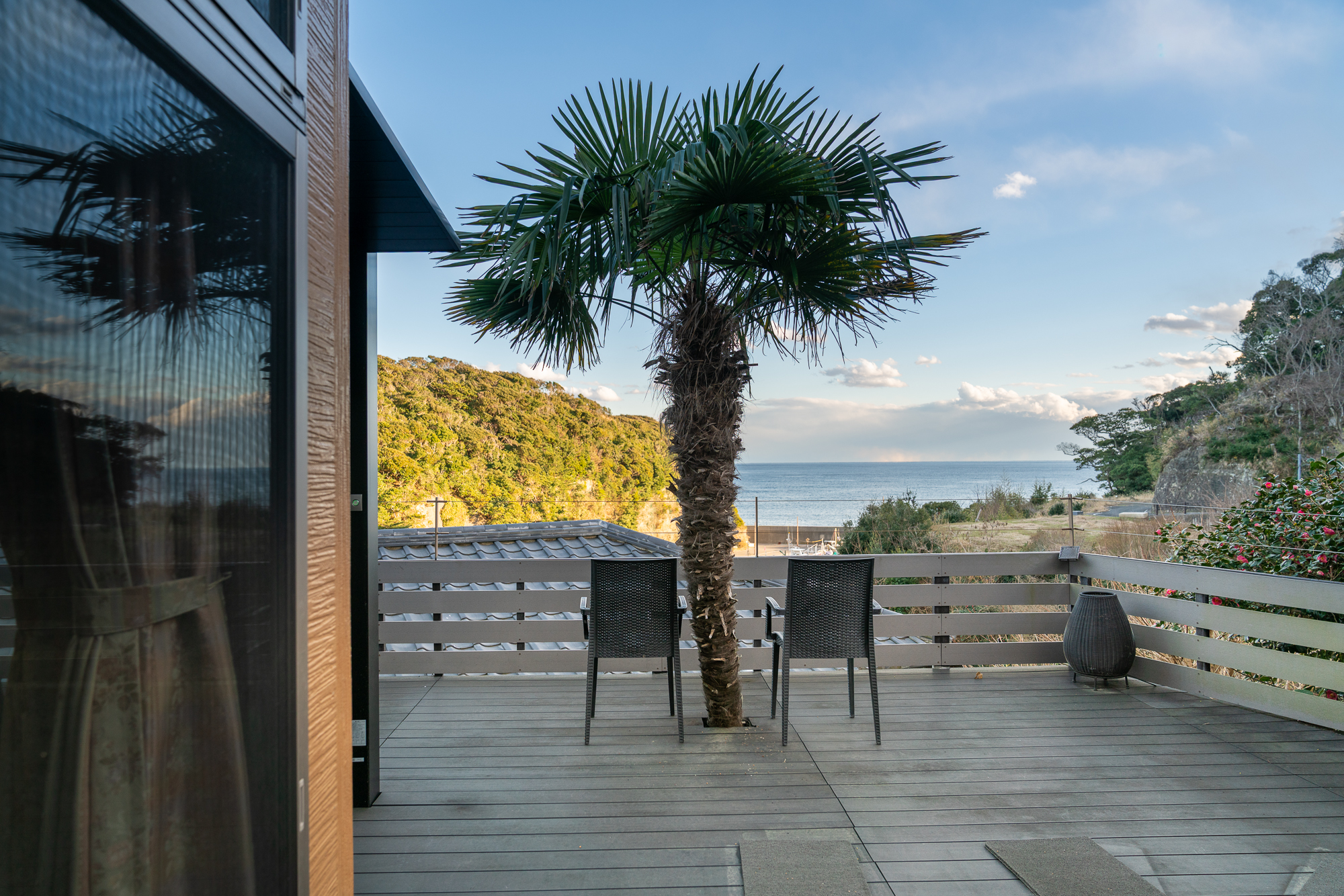
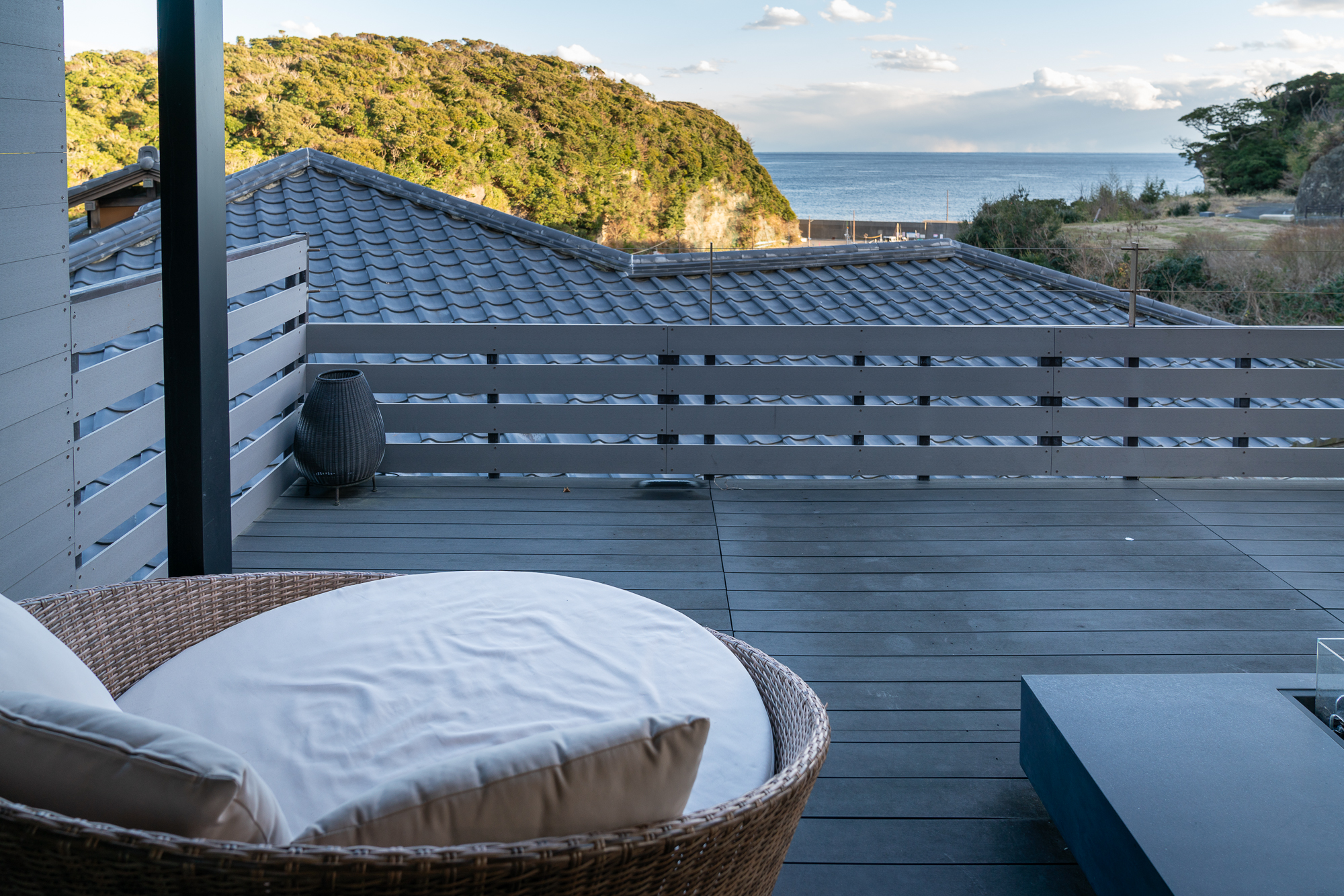
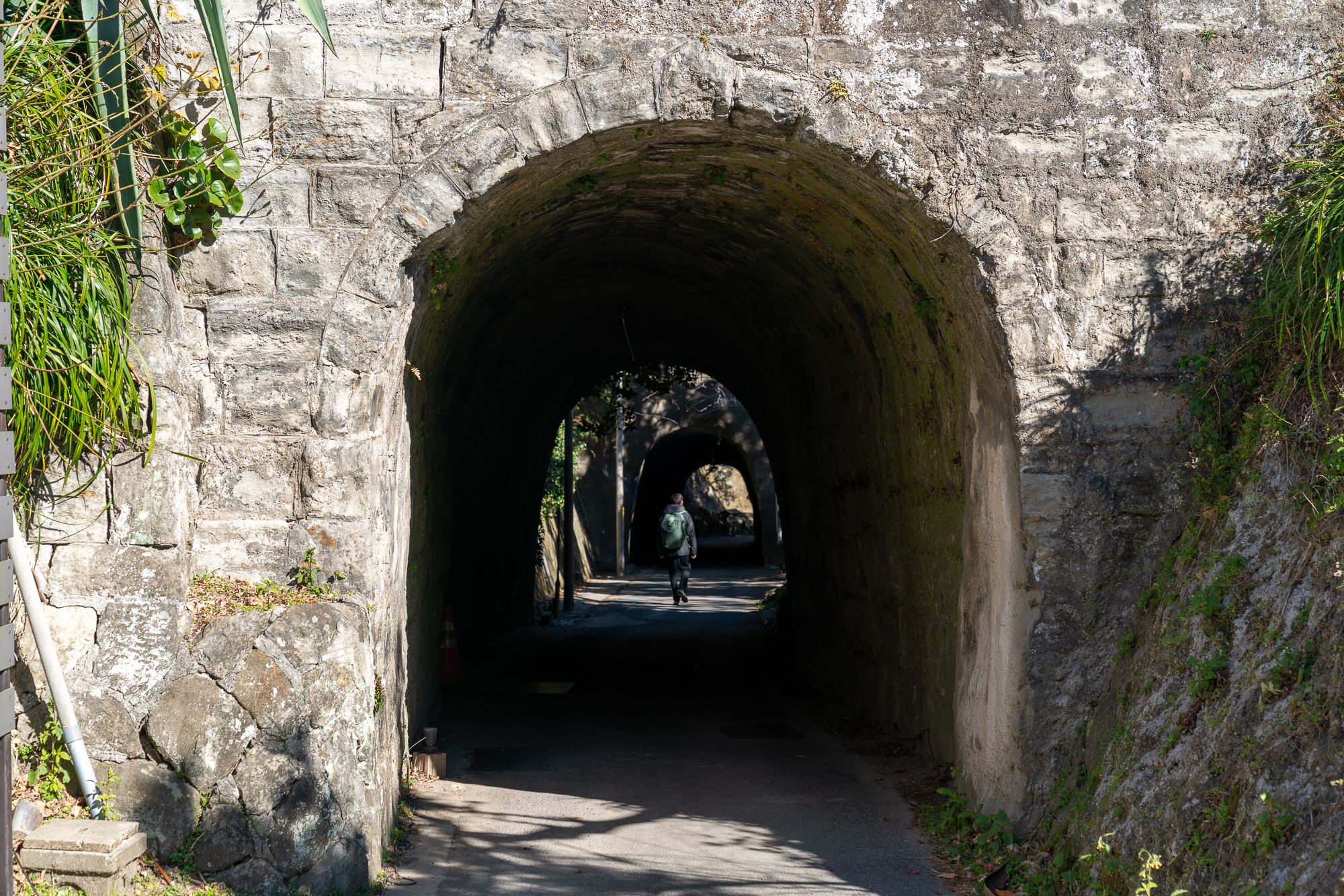
Working over several decades, Goto-san’s grandfather transformed Ubarakan from a single main building into a sprawling complex. He added a number of wings, carved a tunnel through solid rock to create the signature tunnel bath, and excavated a cave bath from the hillside. These ambitious engineering projects gave the ryokan the distinctive character that it has today.
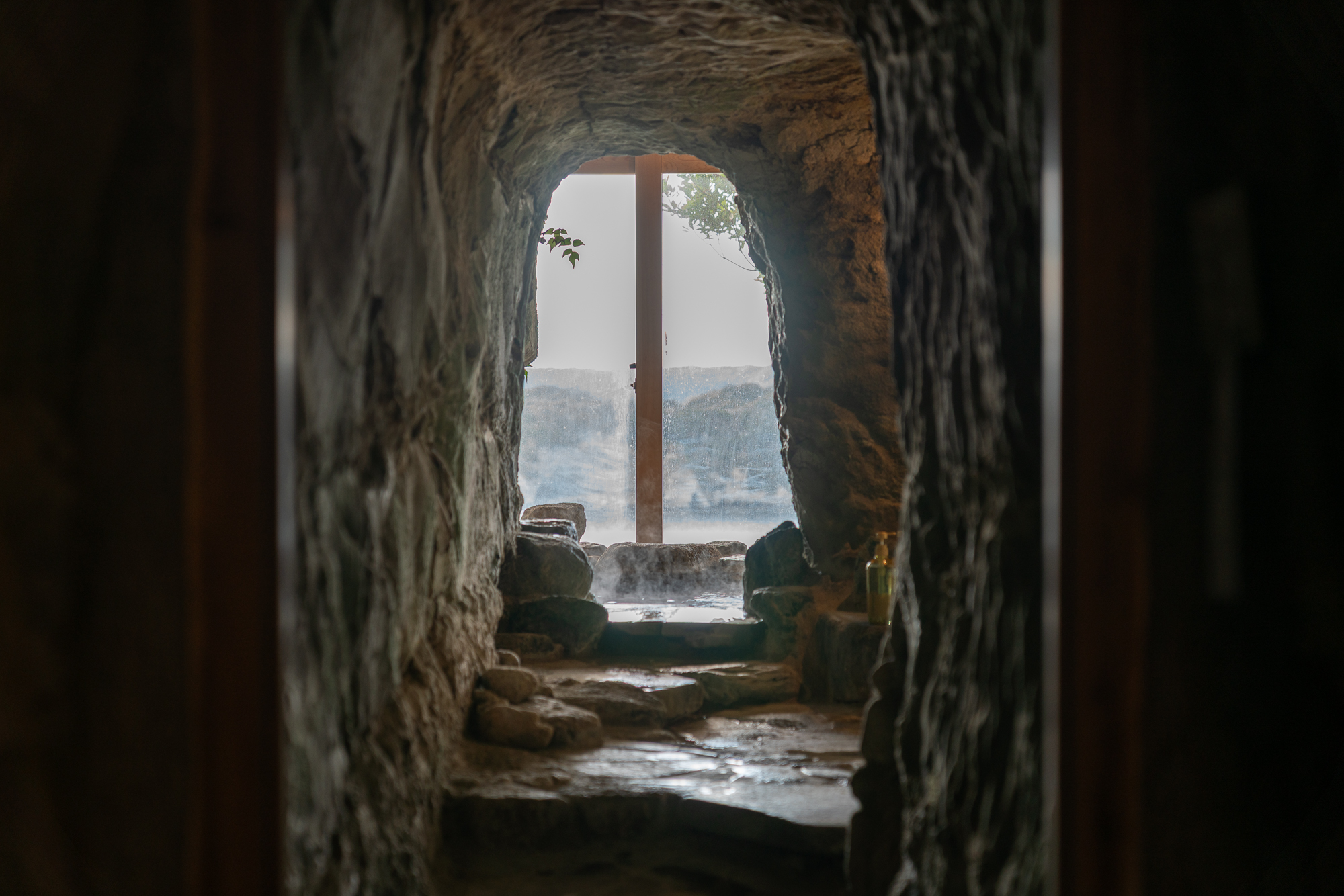
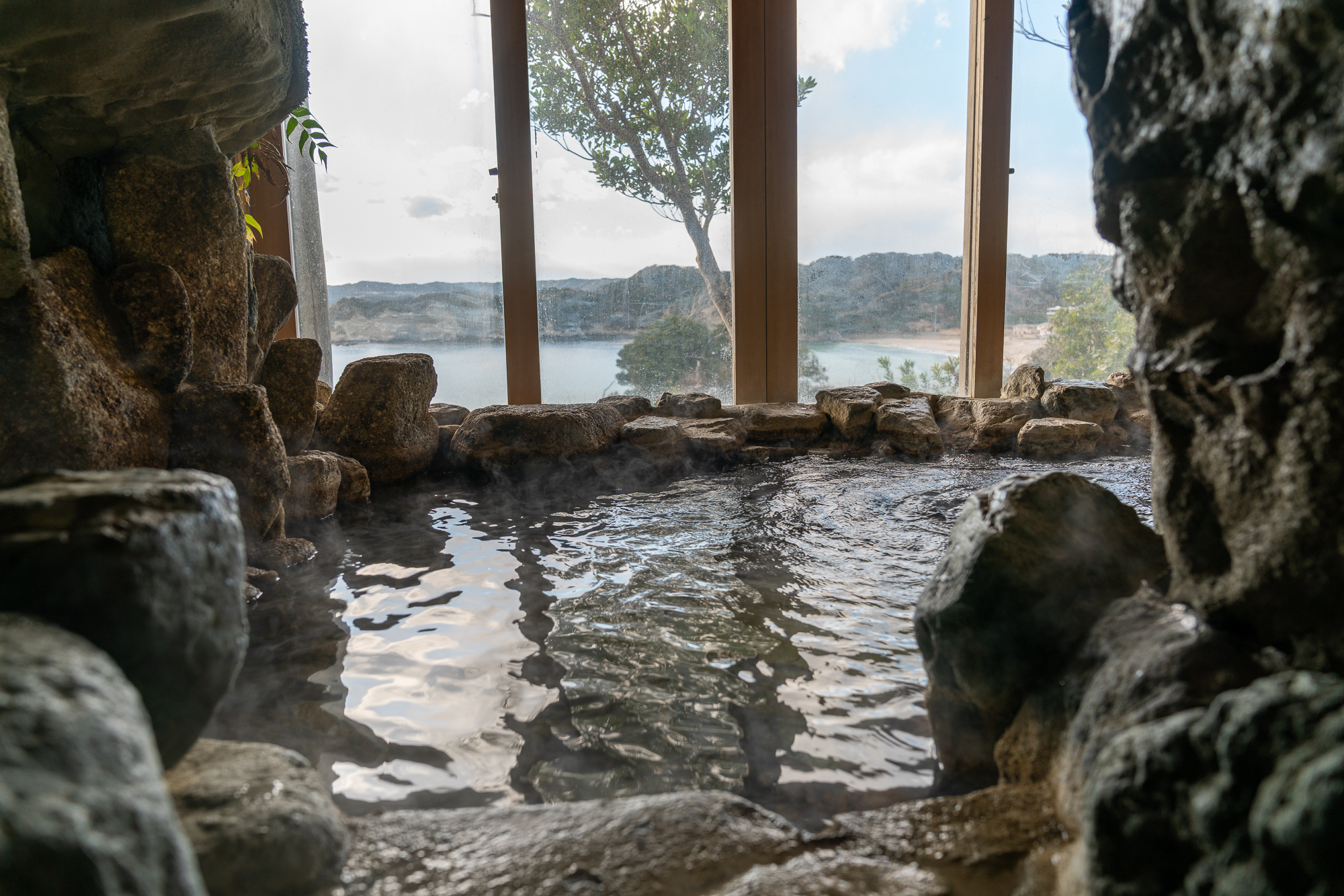
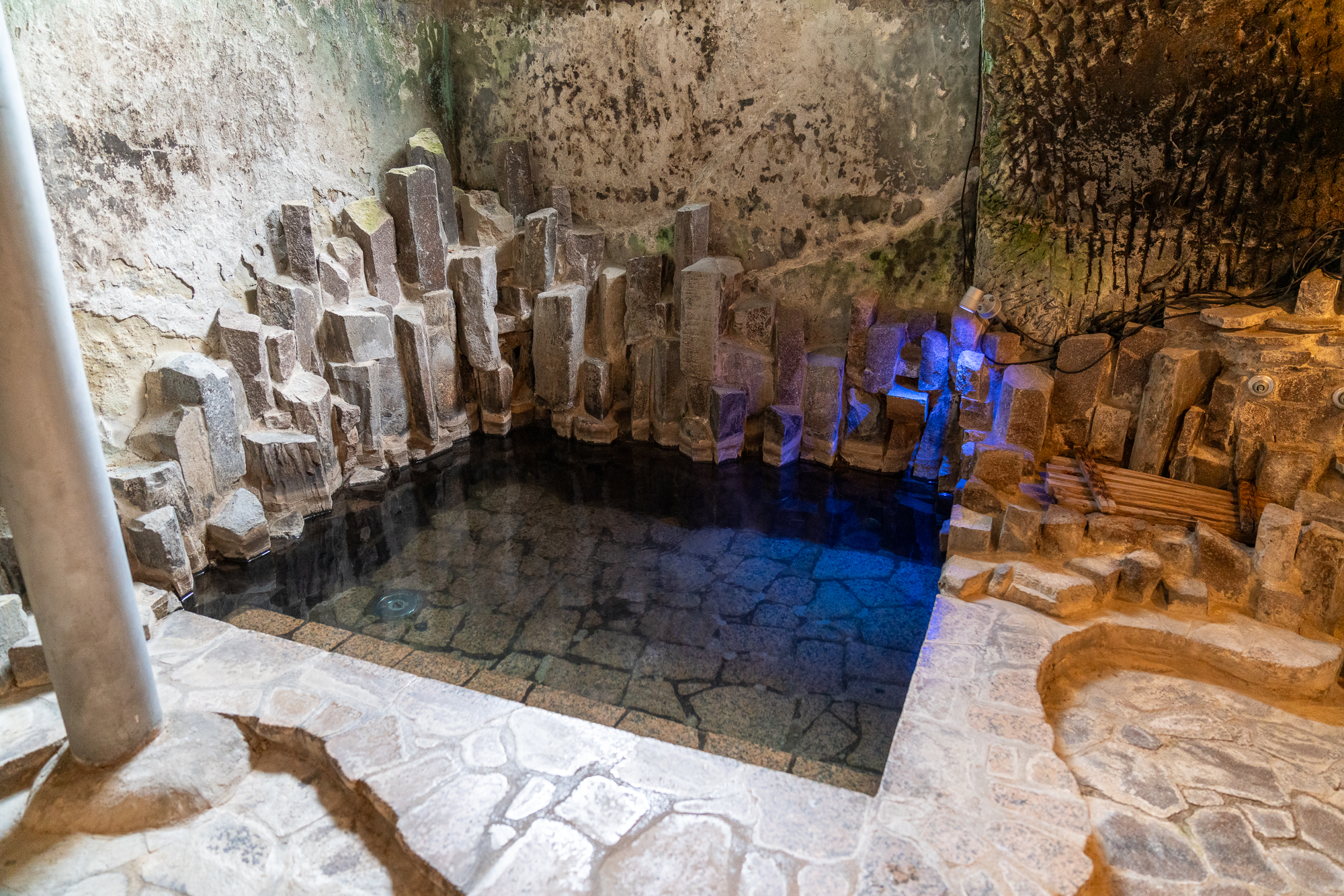
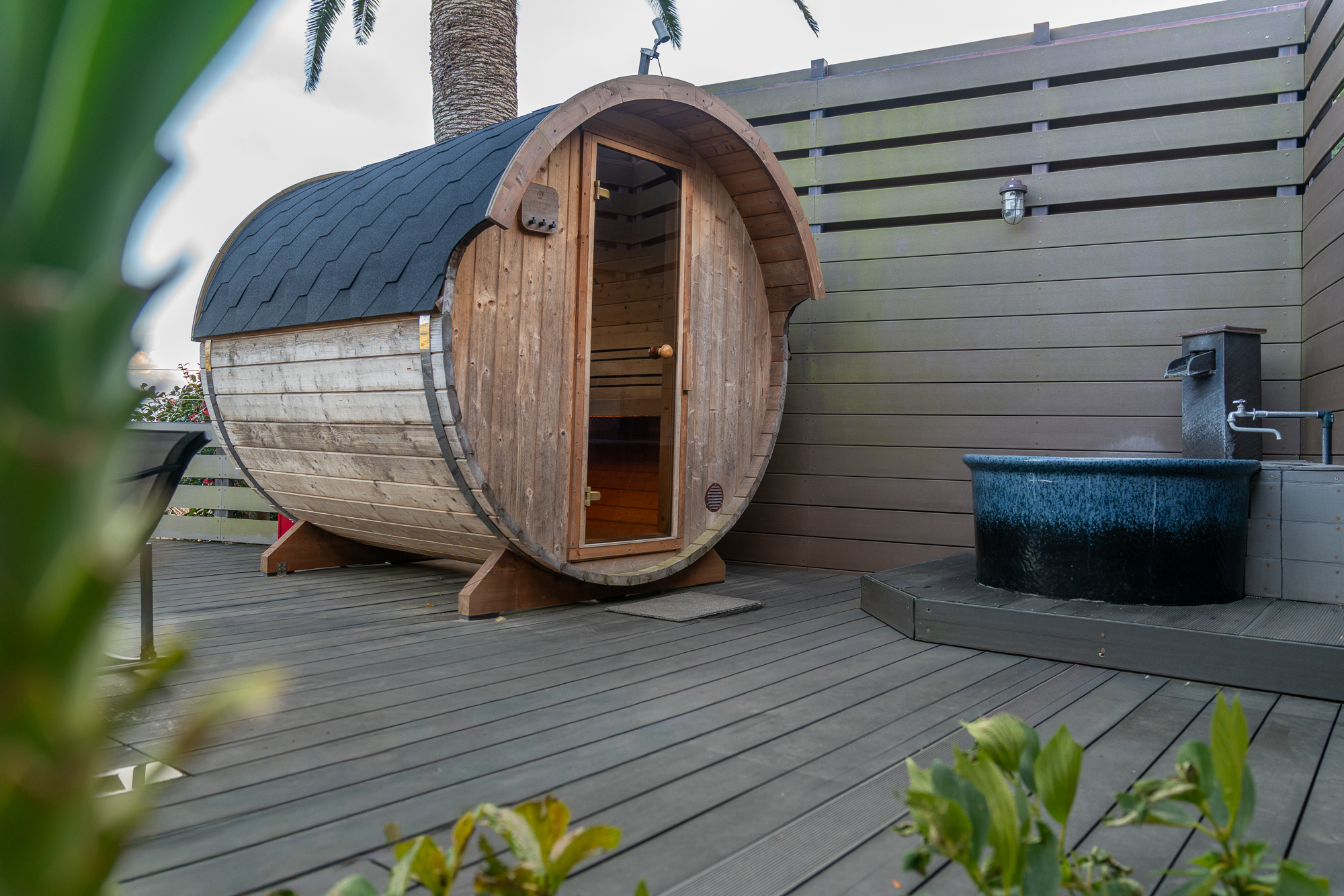
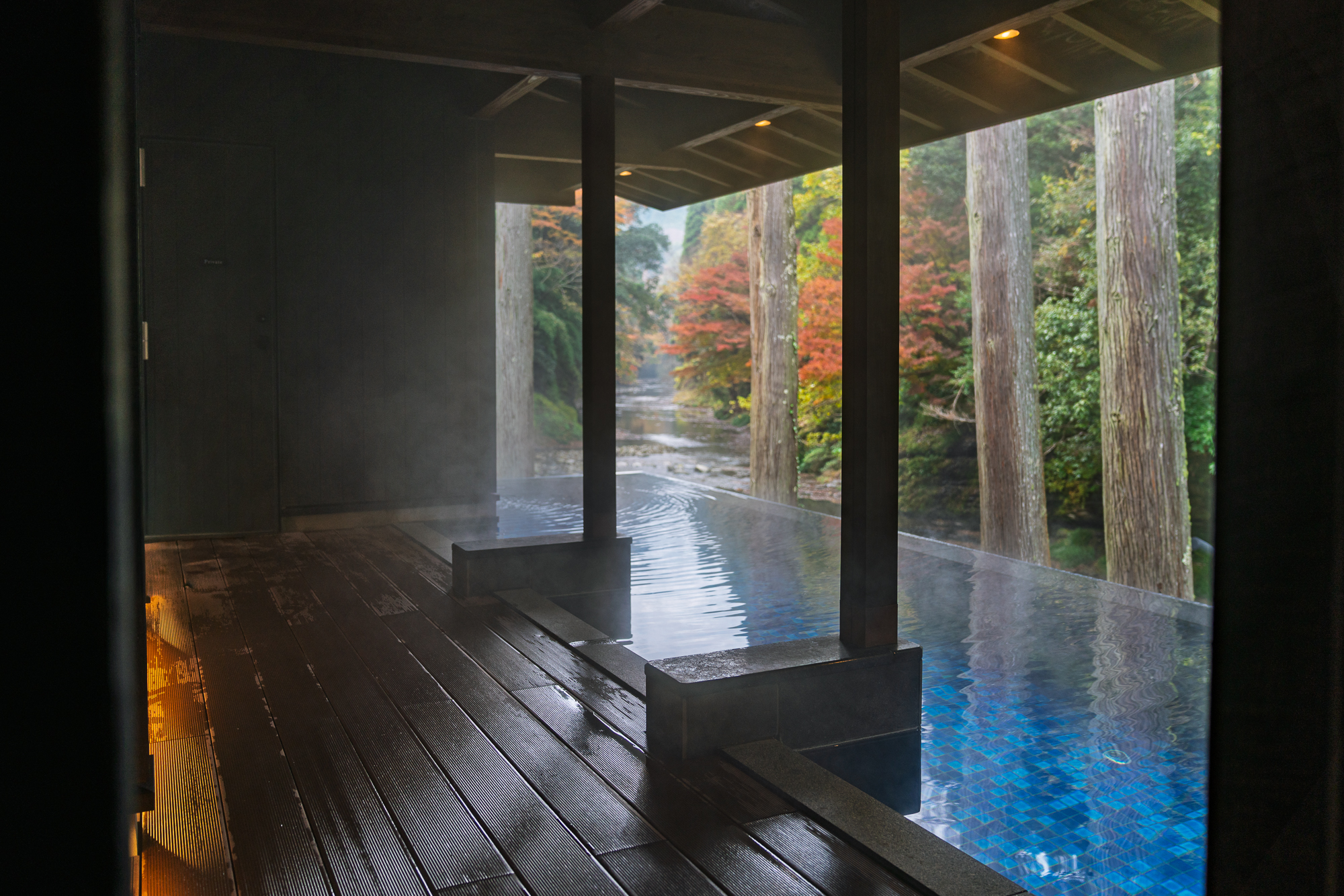
The three baths remain Ubarakan’s most unusual feature, with natural hot spring water filling each one. The tunnel bath, carved directly through the rock face, creates an otherworldly bathing experience, while the cave bath offers a more intimate atmosphere. The observation bath looks out over the Pacific, with the horizon stretching uninterrupted to the east. Each bath offers a different way to experience hot spring water in combination with the rugged coastal landscape.
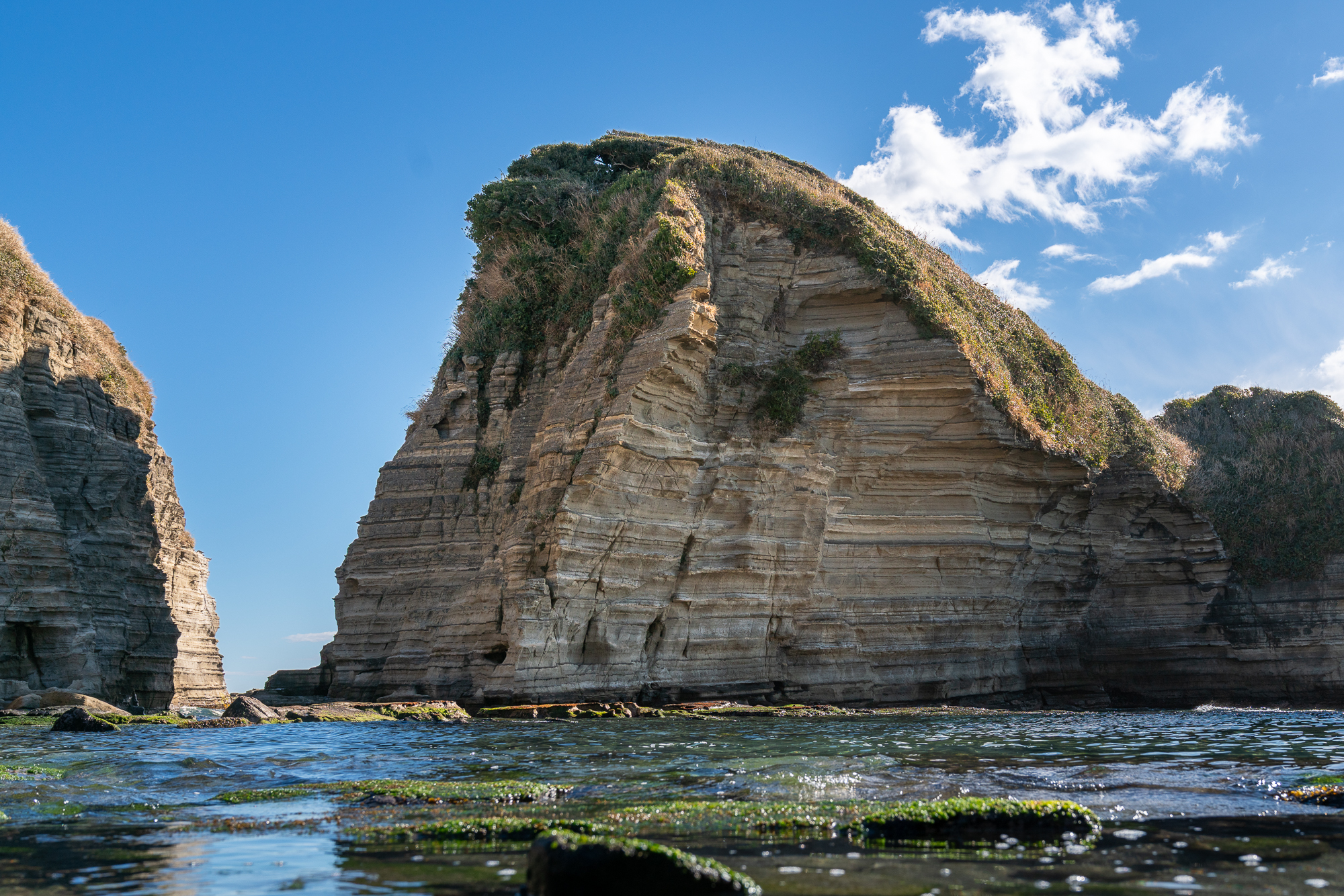
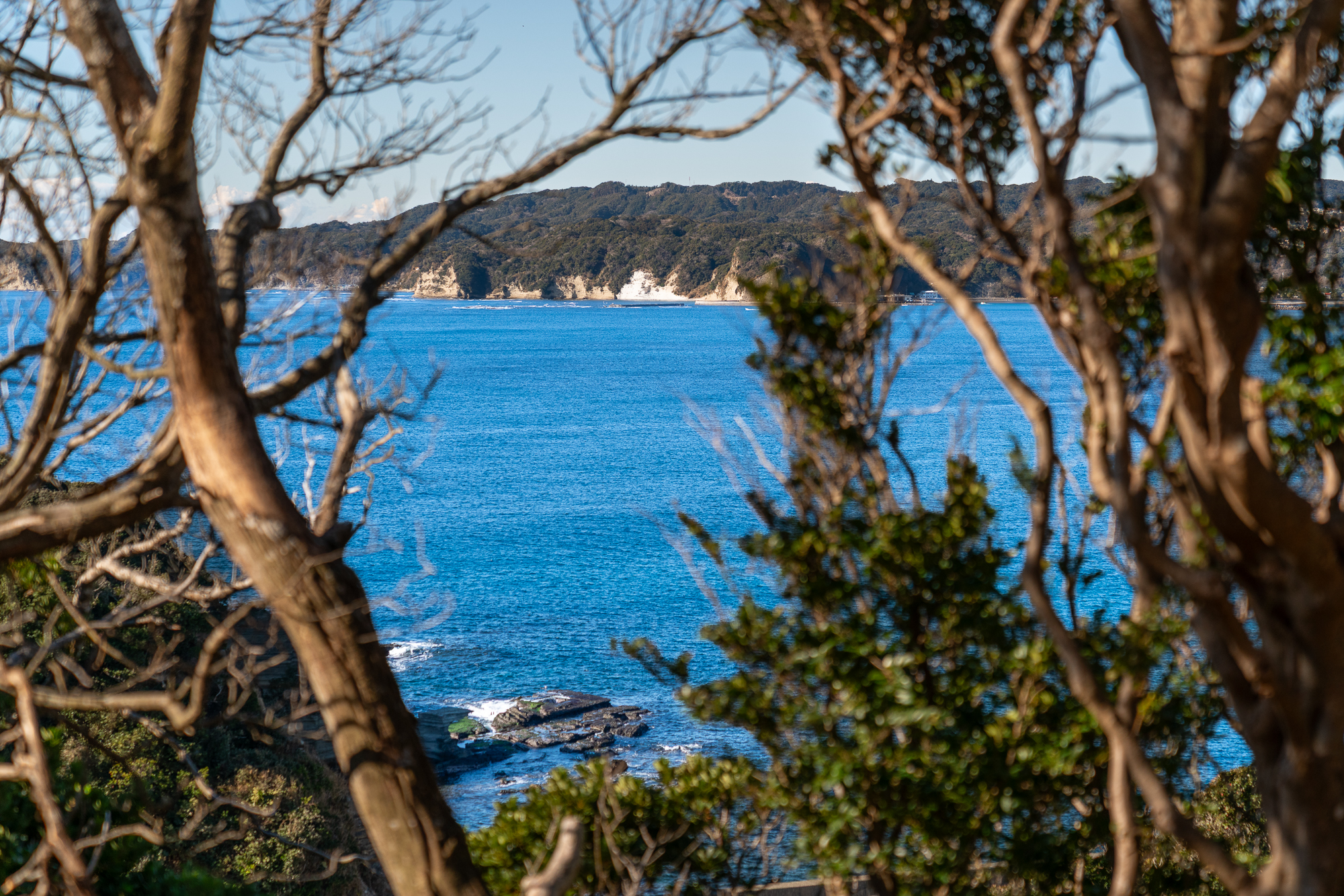
Goto-san has been working at Ubarakan for the past five or six years, and he grew up running through the hills behind the ryokan and along the rocky shores. He knows this area intimately, spending his childhood with his friends searching through the tide pools for sea creatures, swimming at the beach, and exploring Ubara Utopia’s trails.
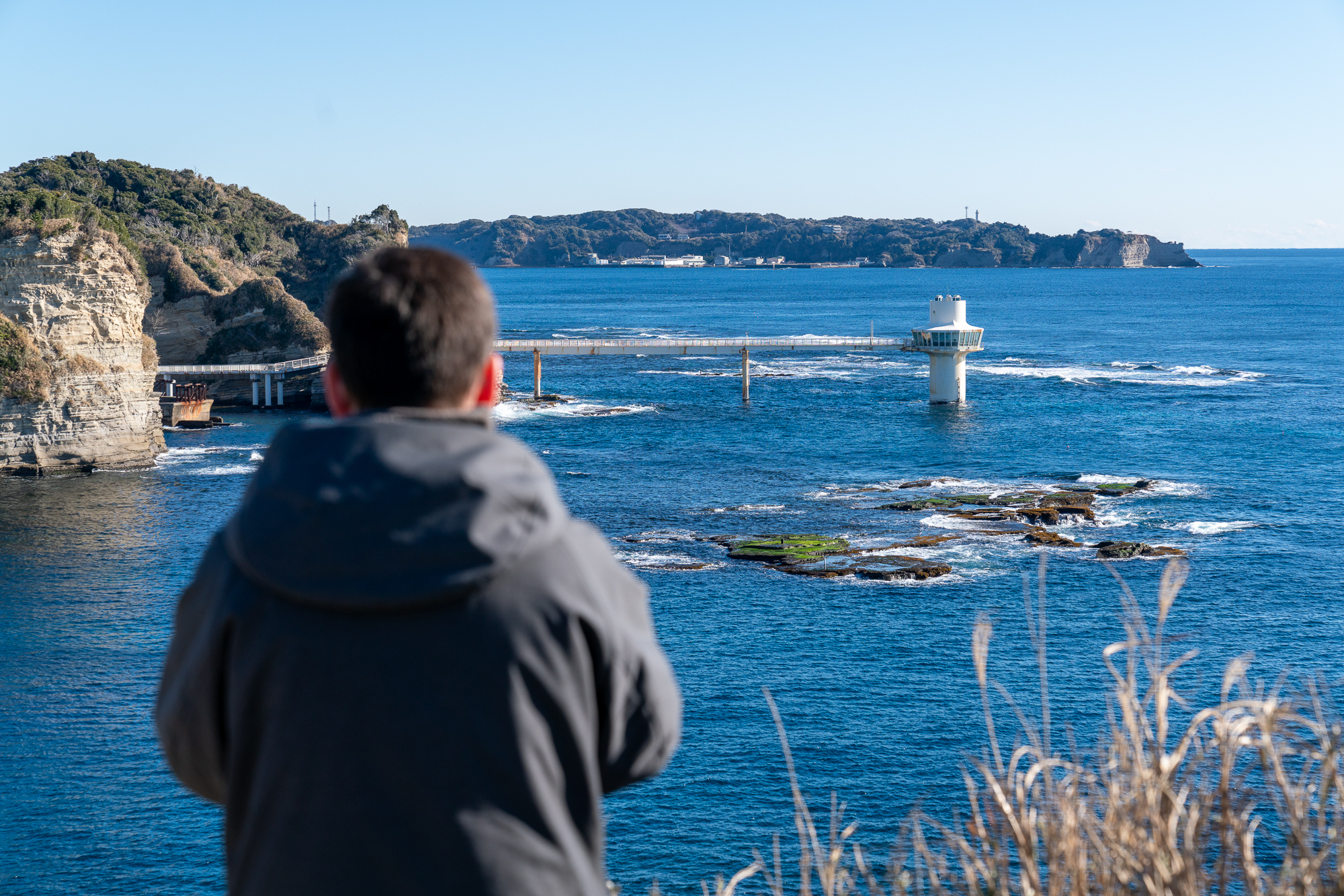
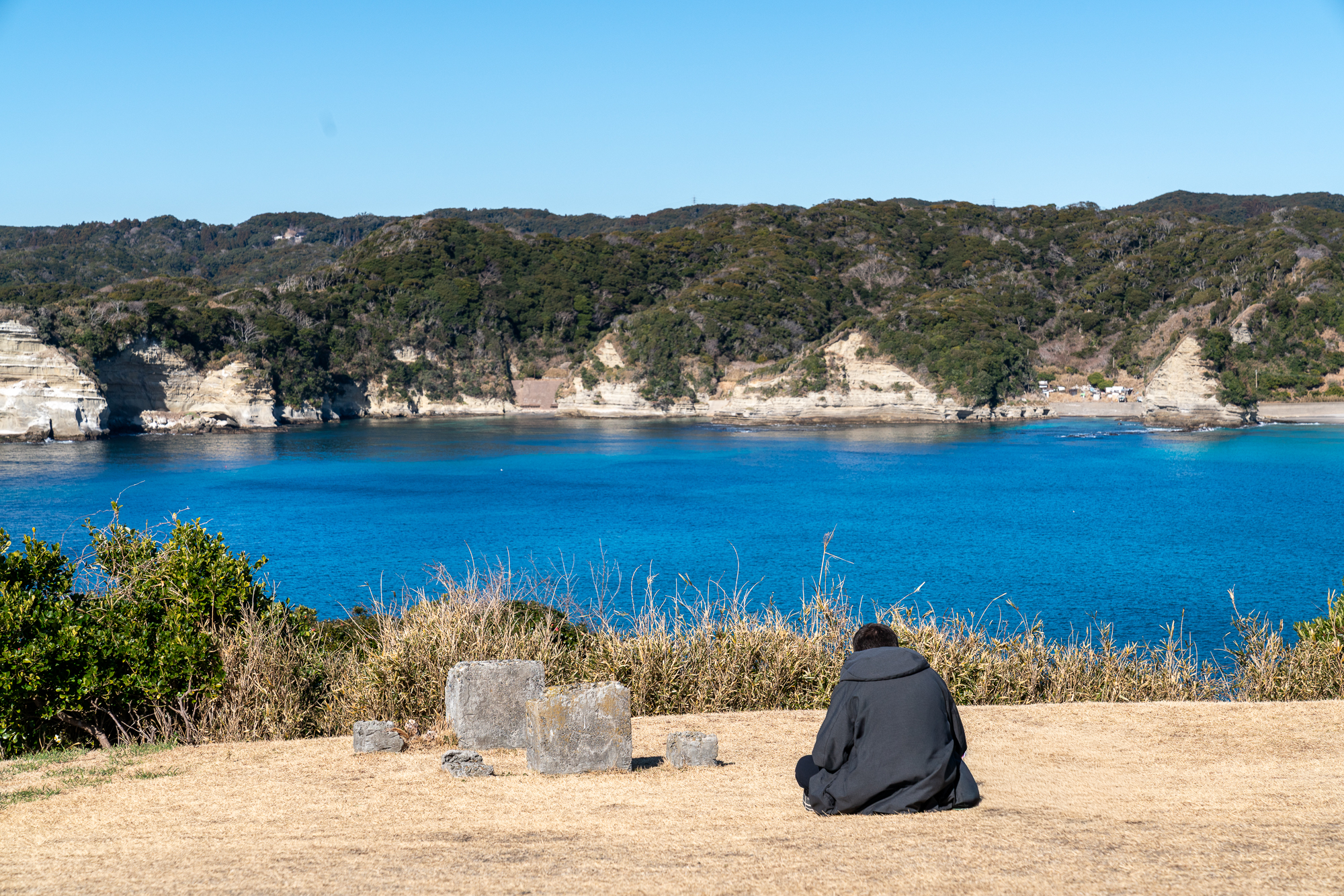
When asked what he loves most about the area, Goto-san doesn’t hesitate: “Ubara Utopia remains my favorite place.” When he has time, he walks the coastal paths, sits watching the ocean, or takes his family for picnics on the headlands. It’s the landscape he’s known his entire life, and it still hasn’t lost its appeal.
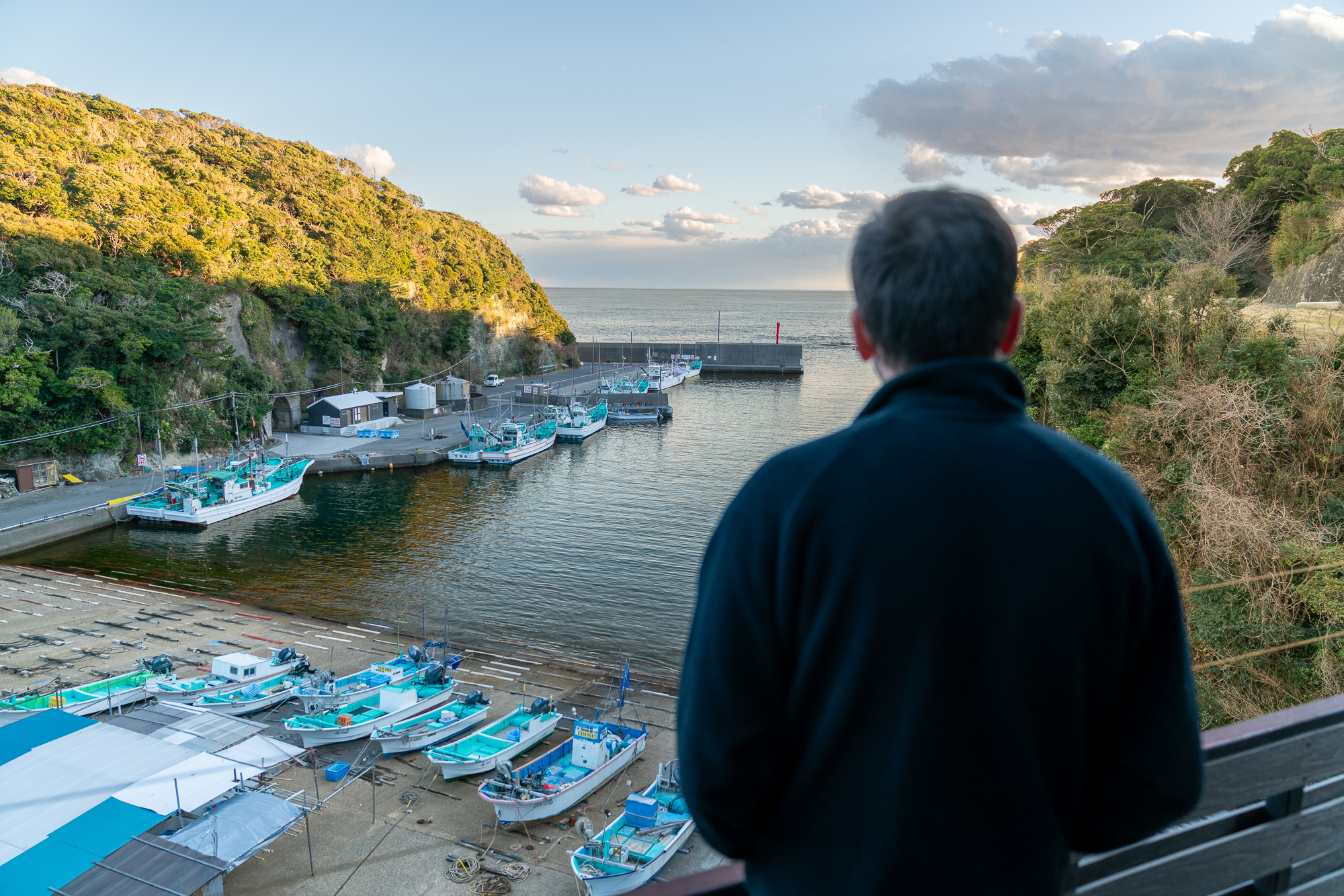
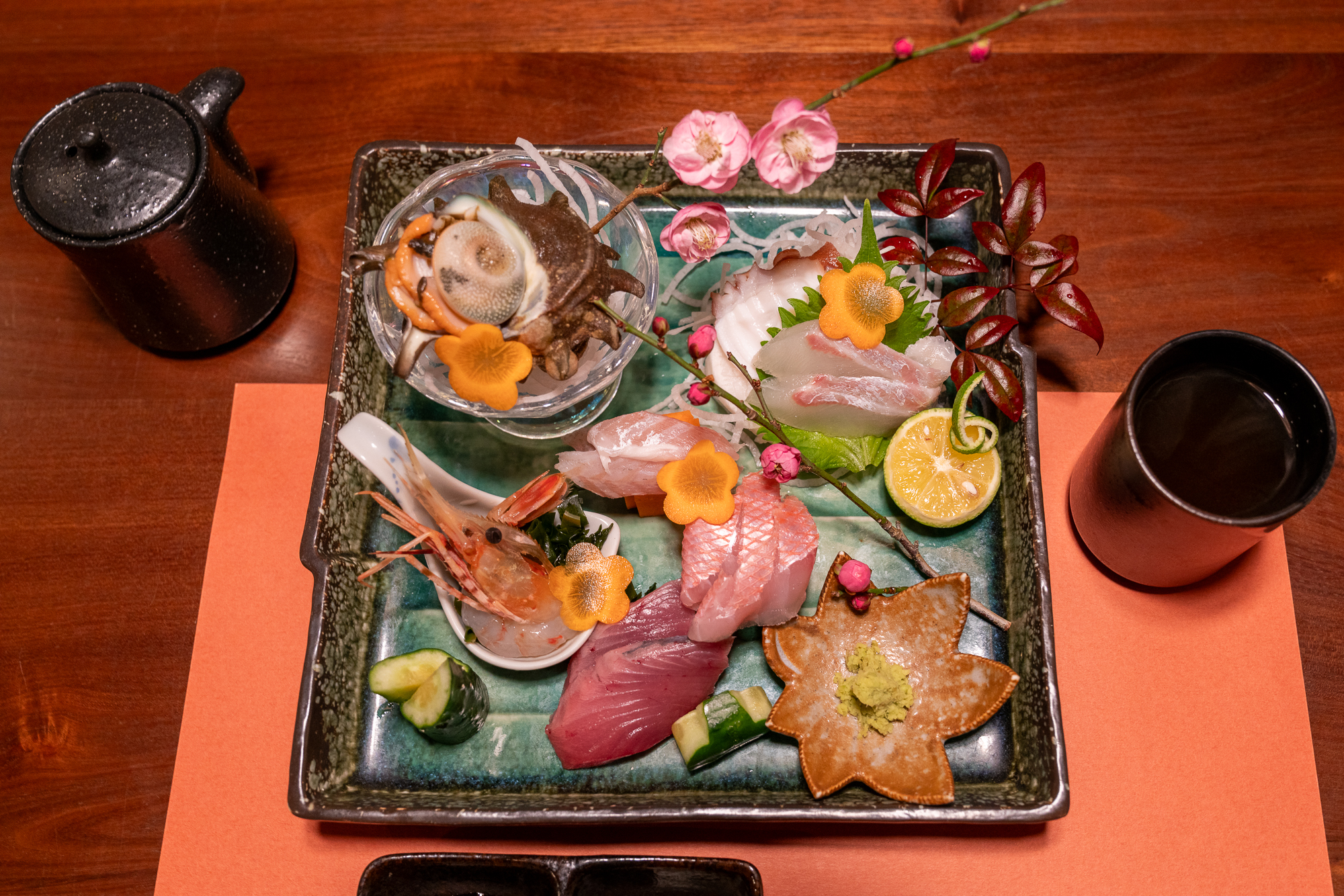
The ryokan sits directly above Katsuba fishing harbor, and this proximity shapes the dining experience. Fresh seafood dominates the menu, with abalone, lobster, and the catch of the day forming the core of each meal. For Japanese guests, this is a familiar and welcome offering, but for international travelers, Goto-san says it can be challenging, as many Western visitors aren’t comfortable with raw fish. But the ryokan’s location and history have always centered on seafood, and Goto-san and Ubarakan are honest about what they are rather than trying to be something else.
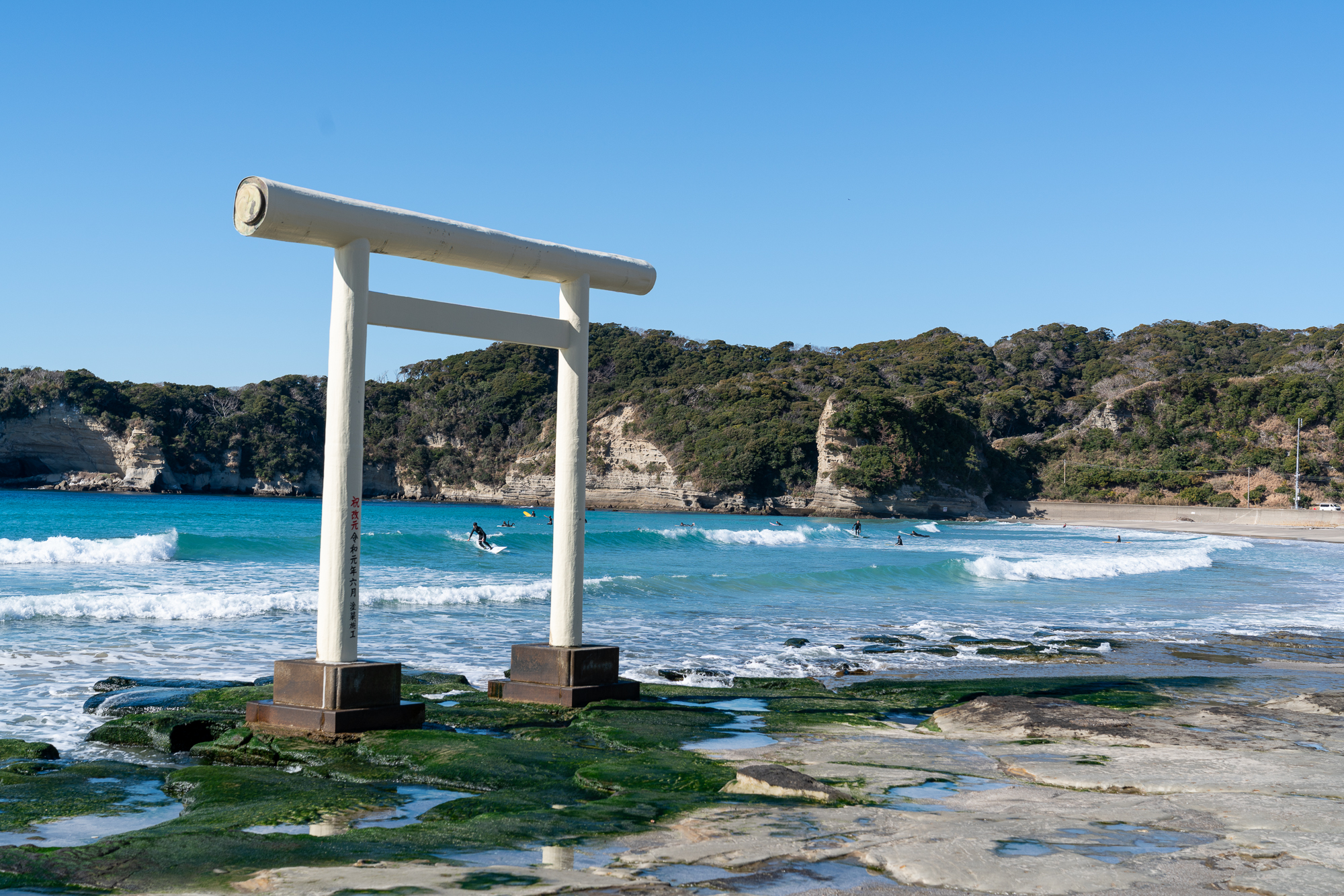
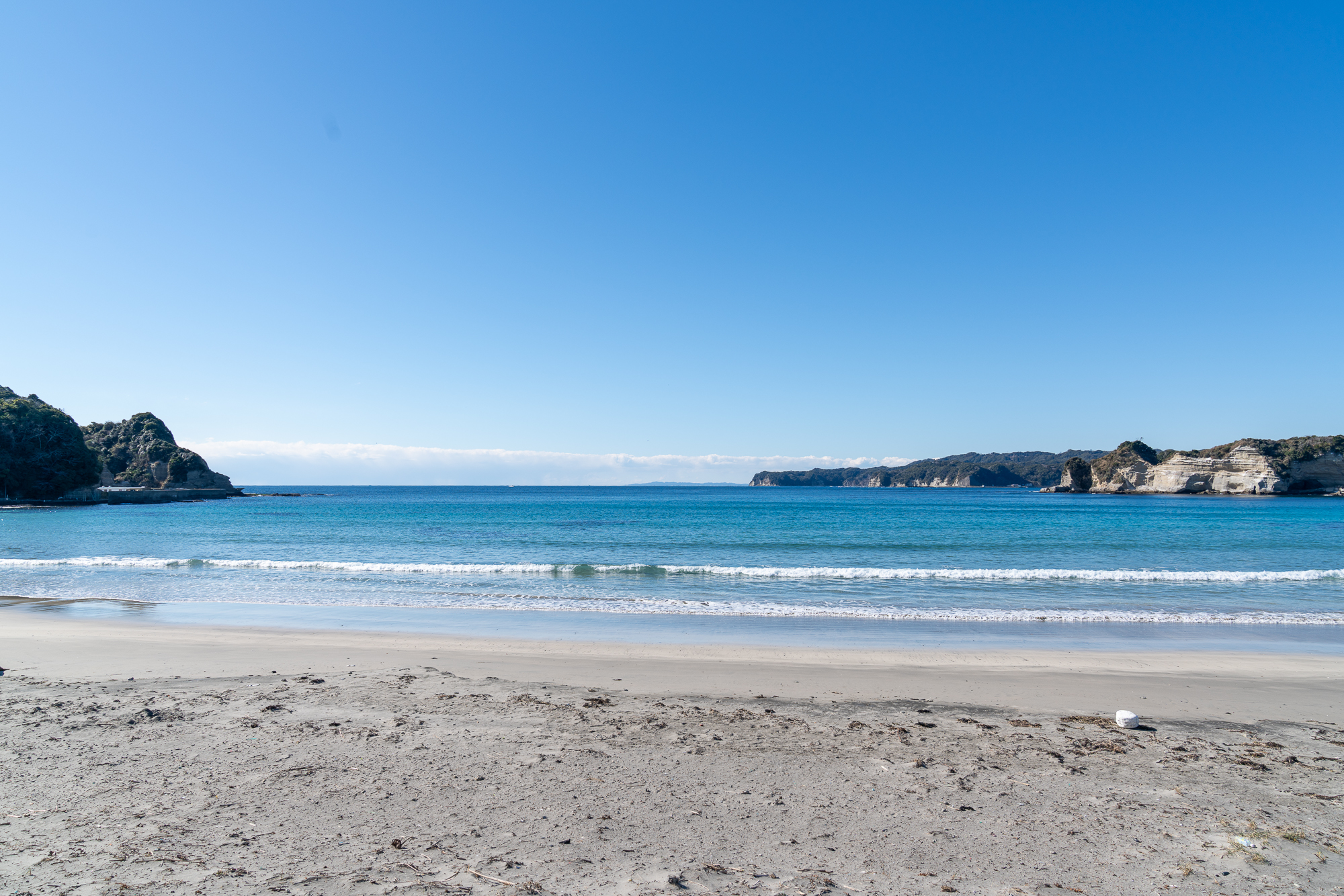
This straightforwardness extends to the area itself; the ocean views, hot springs, and fresh seafood draw Japanese travelers but won’t appear in most guides aimed at foreign tourists. Just a beautiful coastline, pristine coves and beaches, and a century-old ryokan. Alongside Ubara Utopia, Ubara Beach is a favourite for surfers and is packed with families enjoying its pristine waters in summer.
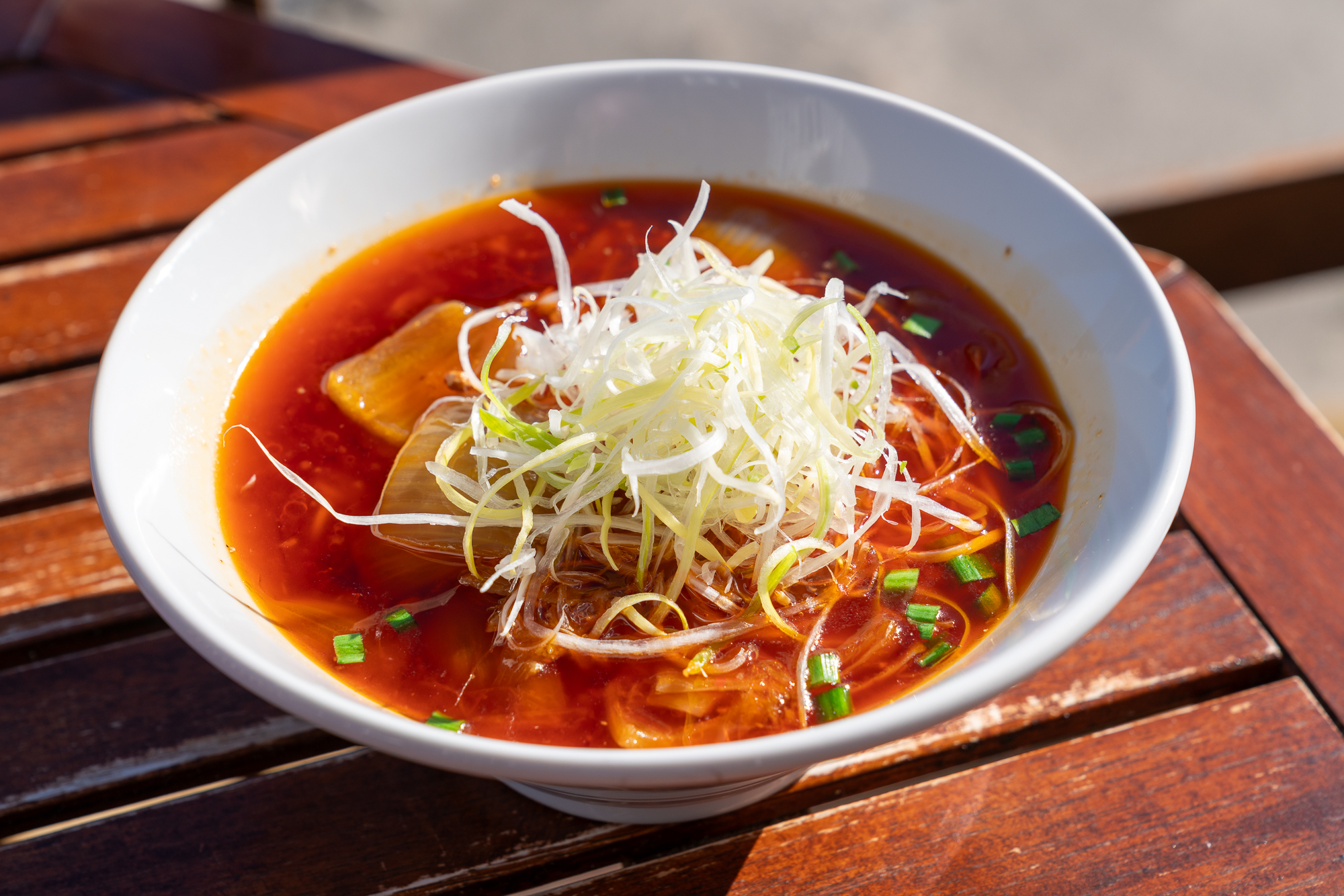
One local specialty Goto-san insists visitors should try while they’re in the area is Katsuura tantanmen. The Katsuura version is built on a soy sauce base with chili oil and topped with onions, a spicy combination that exists nowhere else. It is served at nearly 50 locations throughout the Katsuura area, many of which are frequented by the local fishermen, but Goto-san’s go-tos are Ebine, just next to Ubara Station, and Teppatsuya Sano.
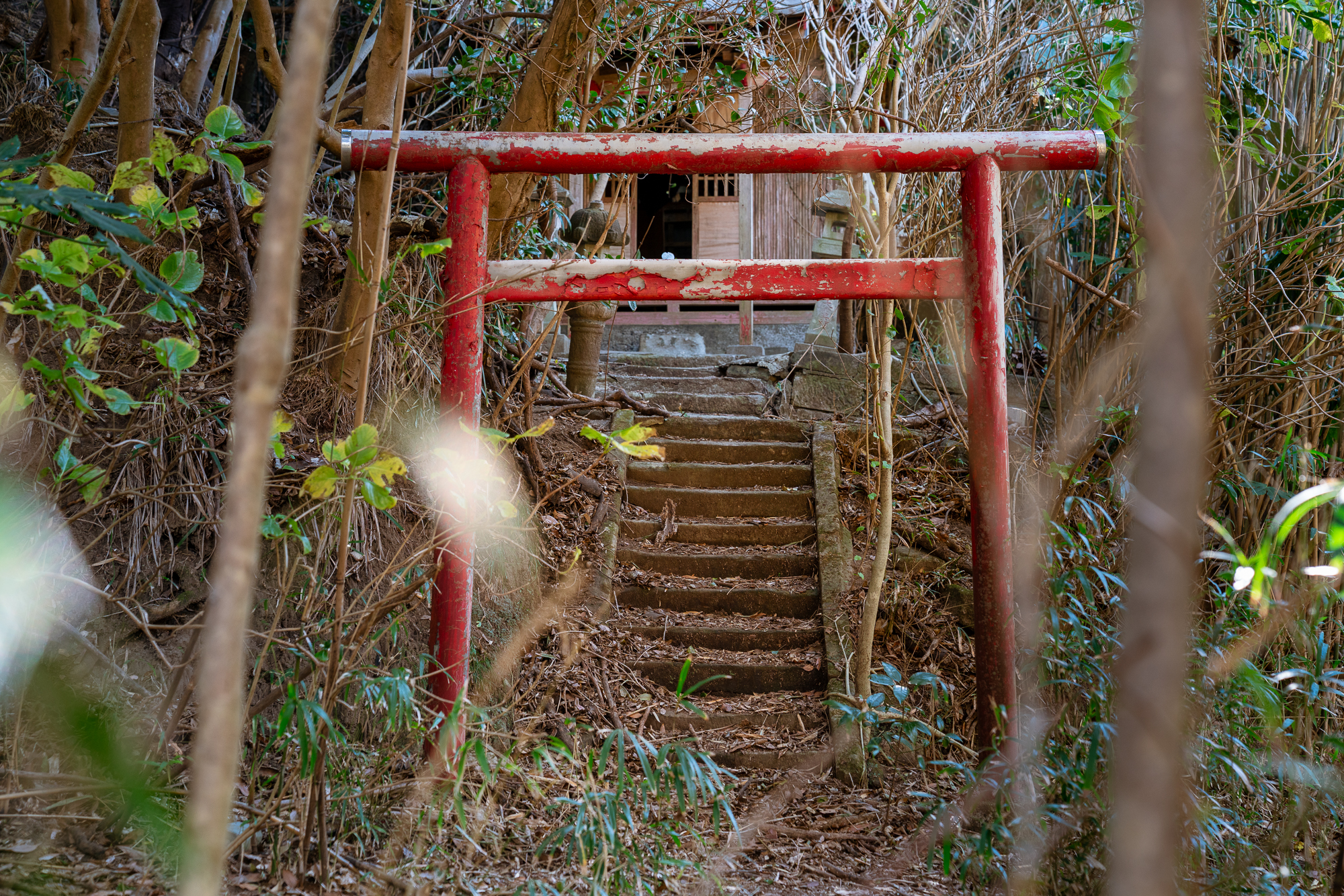
From Ubara Station, the walk to the ryokan takes around ten minutes, with the journey from Tokyo on the Wakashio limited-express train taking around two hours via JR Katsuura Station. The ryokan continues operating as it has for generations, quietly adapting while the crowded resort towns on the other side of Tokyo Bay evolved around a different clientele. The coastline stayed wild, which turned out to be its own kind of appeal and is precisely what makes it worth visiting today.
Q: What is the best thing to do in Ubara besides staying at the ryokan? A: The highlight is the Ubara Utopia hiking course. It’s a loop trail along dramatic cliffs with Pacific views that locals compare to Australia’s Great Ocean Road. It’s a 10-minute walk from the ryokan and perfect for photography or a family picnic.
Q: What makes the hot springs at Ubarakan different? A: Unlike modern tiled baths, Ubarakan features a tunnel bath and a cave bath that were hand-carved through solid rock by the current owner’s grandfather. It provides an “otherworldly” atmosphere where you feel connected to the rugged geology of the Katsuura coast.
Q: Is Ubarakan a good choice for people who don’t eat raw fish? A: Ubarakan is very honest about its culinary identity; the menu is built entirely around the fresh catch from the local harbor (Abalone, Lobster, etc.). While it’s heaven for seafood lovers, visitors who prefer Western-style meals should note that the dining experience is a traditional, seafood-centric Japanese kaiseki.
Q: Where can I try the famous Katsuura Tantanmen nearby? A: You can find this spicy local specialty at nearly 50 spots in the area. The owner of Ubarakan specifically recommends Ebine (very close to Ubara Station) and Teppatsuya Sano for an authentic taste favored by local fishermen.
Ubara, Katsuura City
(An 8-minute walk from Ubara Station on the JR Sotobo Line.)