Things to Do | Visit Chiba | Latest update:2026/02/17

Don Kennedy
Hi! My name is Don Kennedy and I shoot, edit, and produce photo and video work. Having grown up in a sleepy town in rural Australia, in 2005 I moved to the world's largest metropolis and have been loving living here ever since. I’m based on the east side of the city, near Ueno, and really enjoy the relaxed atmosphere, the warmth of the locals, and the history of the area. As Tokyo is such an incredibly walkable city, you might see me wandering around with a camera in hand during the day, or making the most of the amazing food options in an izakaya or restaurant at night.
Contents
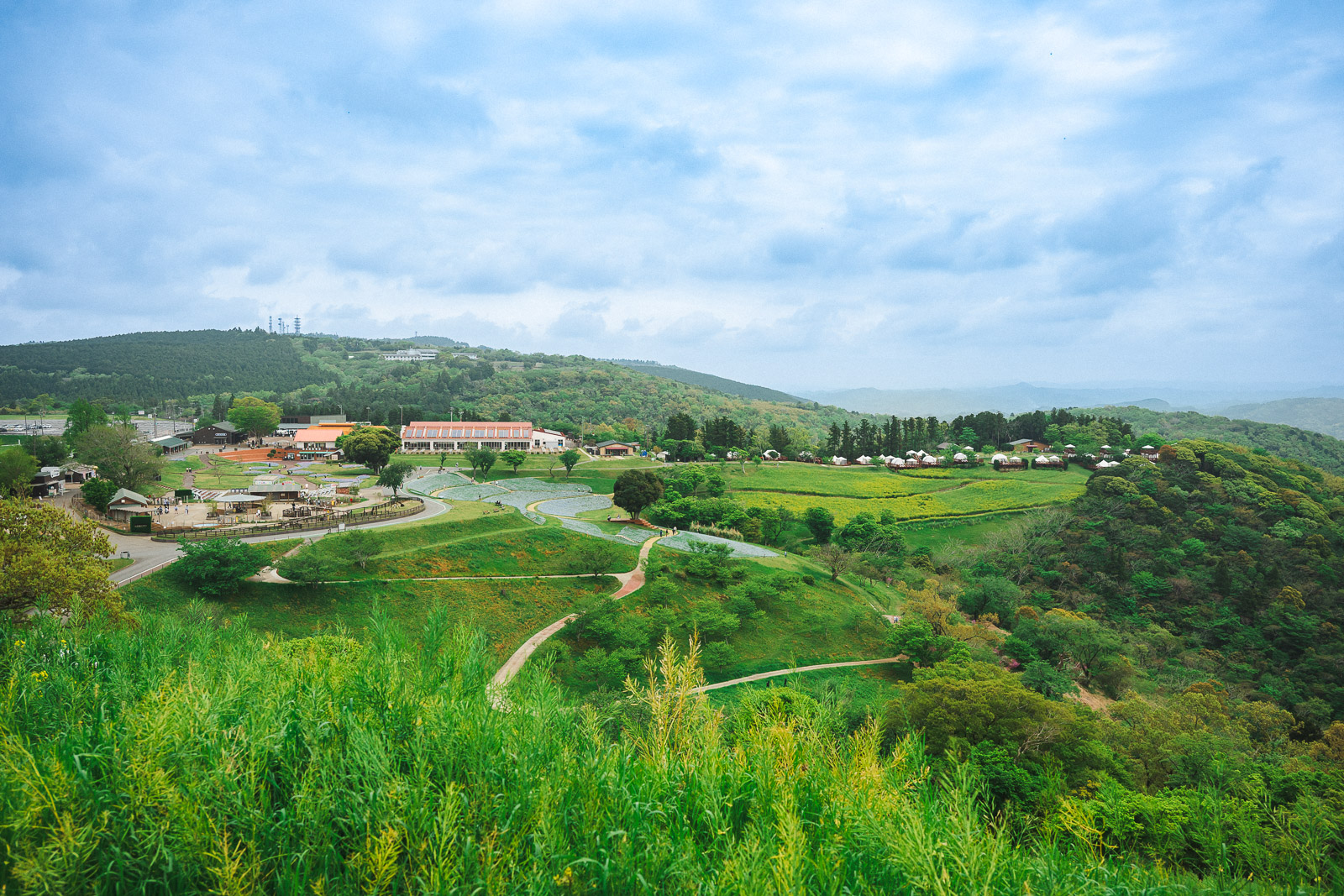
The Yoro Valley: A Hidden Gem Near TokyoRiverside Luxury: Rooms and Private Kuroyu OnsenThe Fukasawa Pool & Private Bathing ExperiencesA Taste of the Boso Peninsula: Local Spirits & Kaiseki DiningExploring the Valley: Awamata-no-taki Waterfall & BeyondThe History of the Yoro River and Hot Spring TraditionFrequently Asked Questions about Shinra Yoro ValleyIf you search for premium ryokan accommodations within reach of Tokyo, the usual suspects invariably appear: Hakone, Izu, Nikko. But venture two hours southeast into Chiba Prefecture’s interior and you’ll discover a valley that has somehow remained off the international tourist radar. The Yoro Valley, carved over millions of years by the Yoro River as it winds down from the Kiyosumi Mountains, offers a landscape of water and greenery largely untouched by mass tourism.
Shinra Yoro Valley Ryokan: Key Details
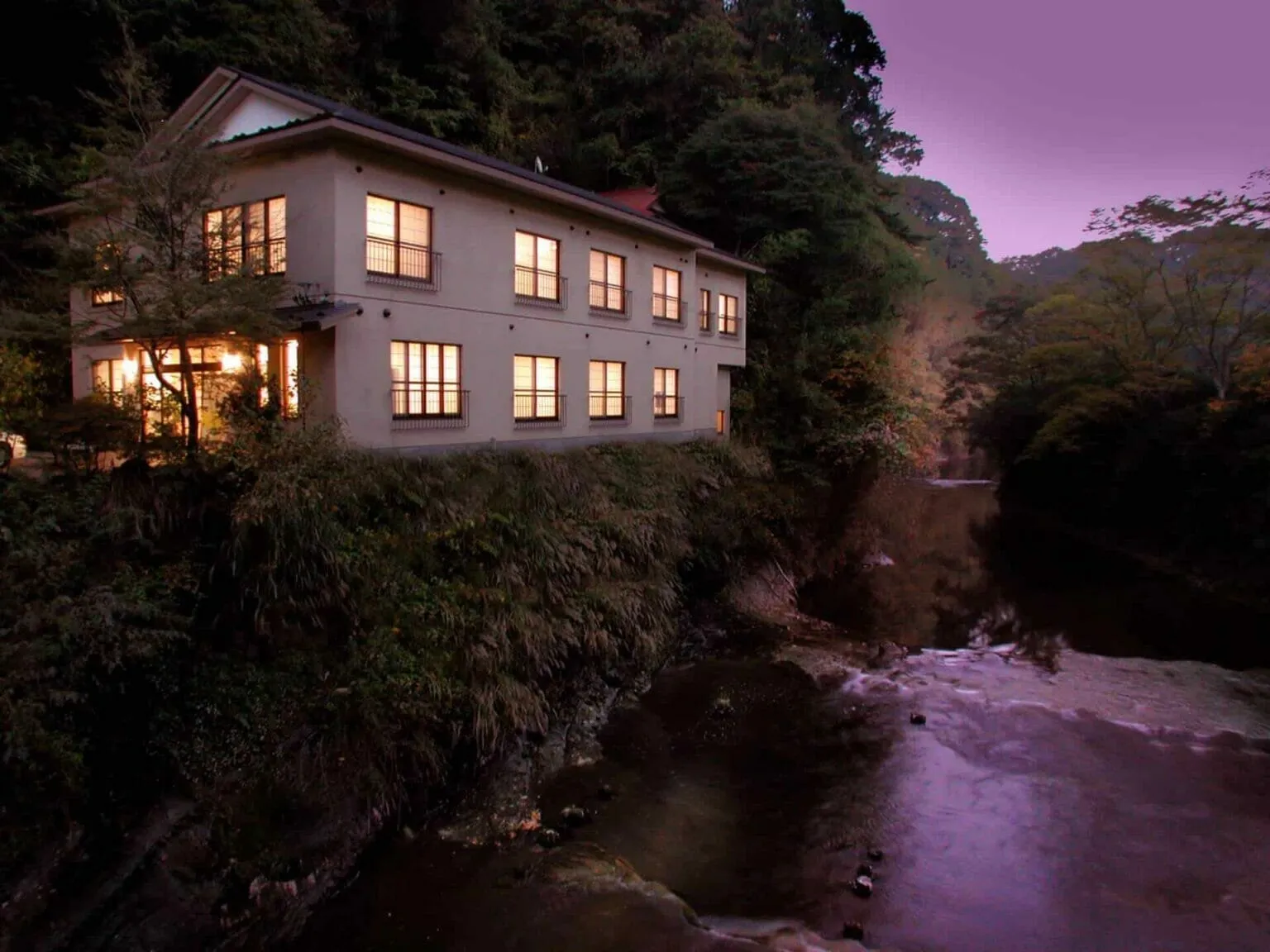
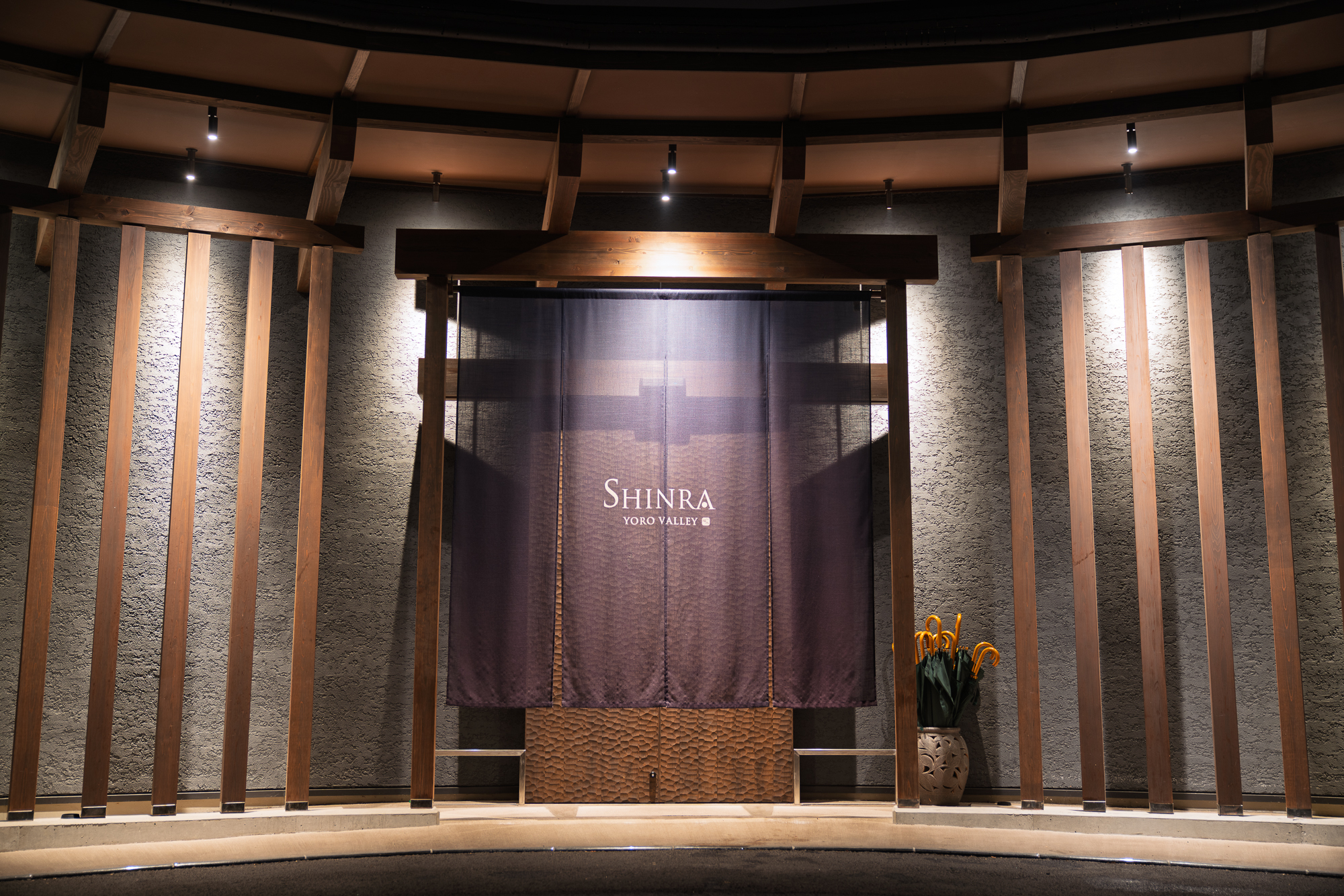
Shinra opened its doors in March 2025 along the banks of the Yoro River, built on land where nothing existed before. The location was chosen specifically for its dramatic views of the valley’s famous cliffs and the constant sound of the river below.
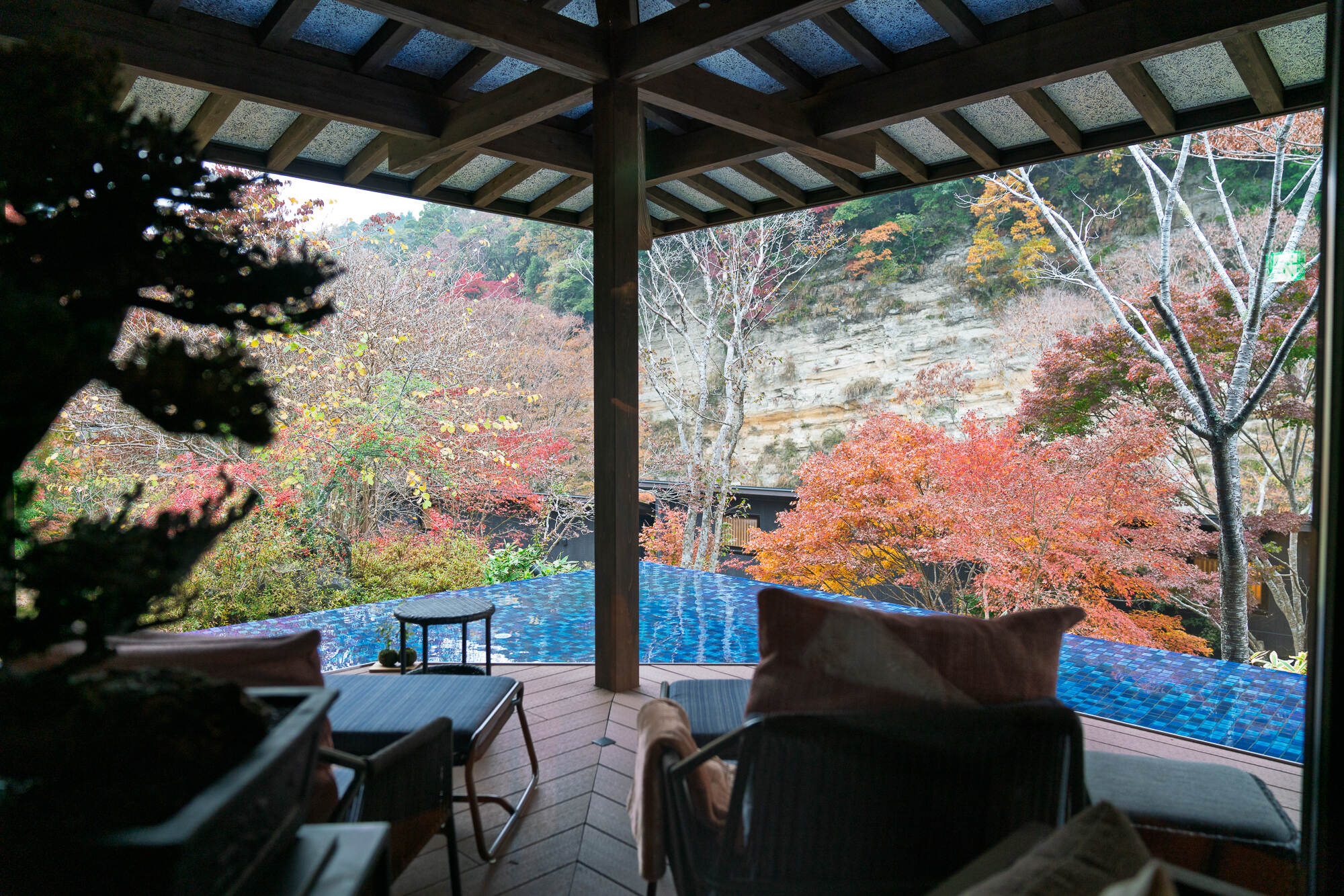
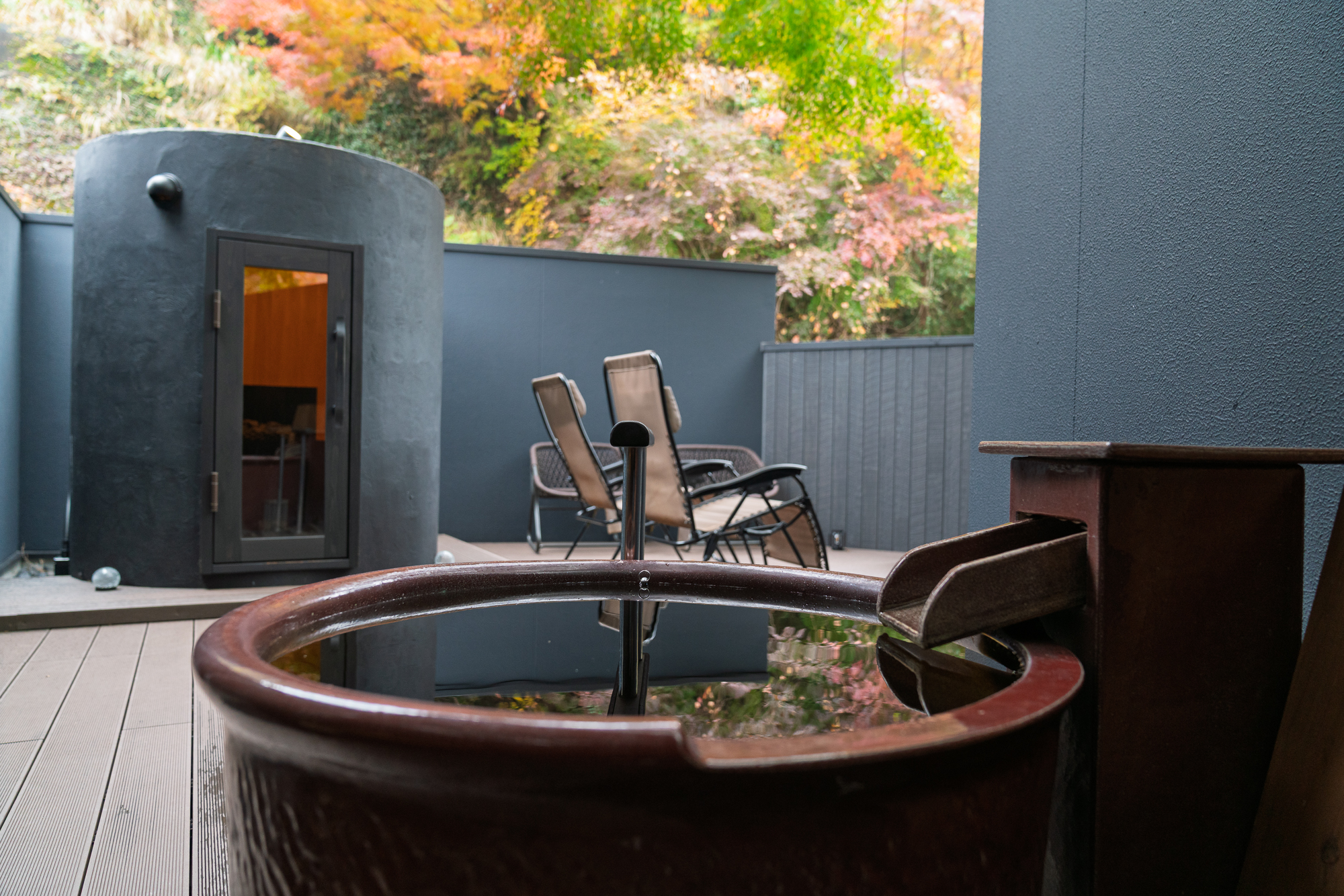
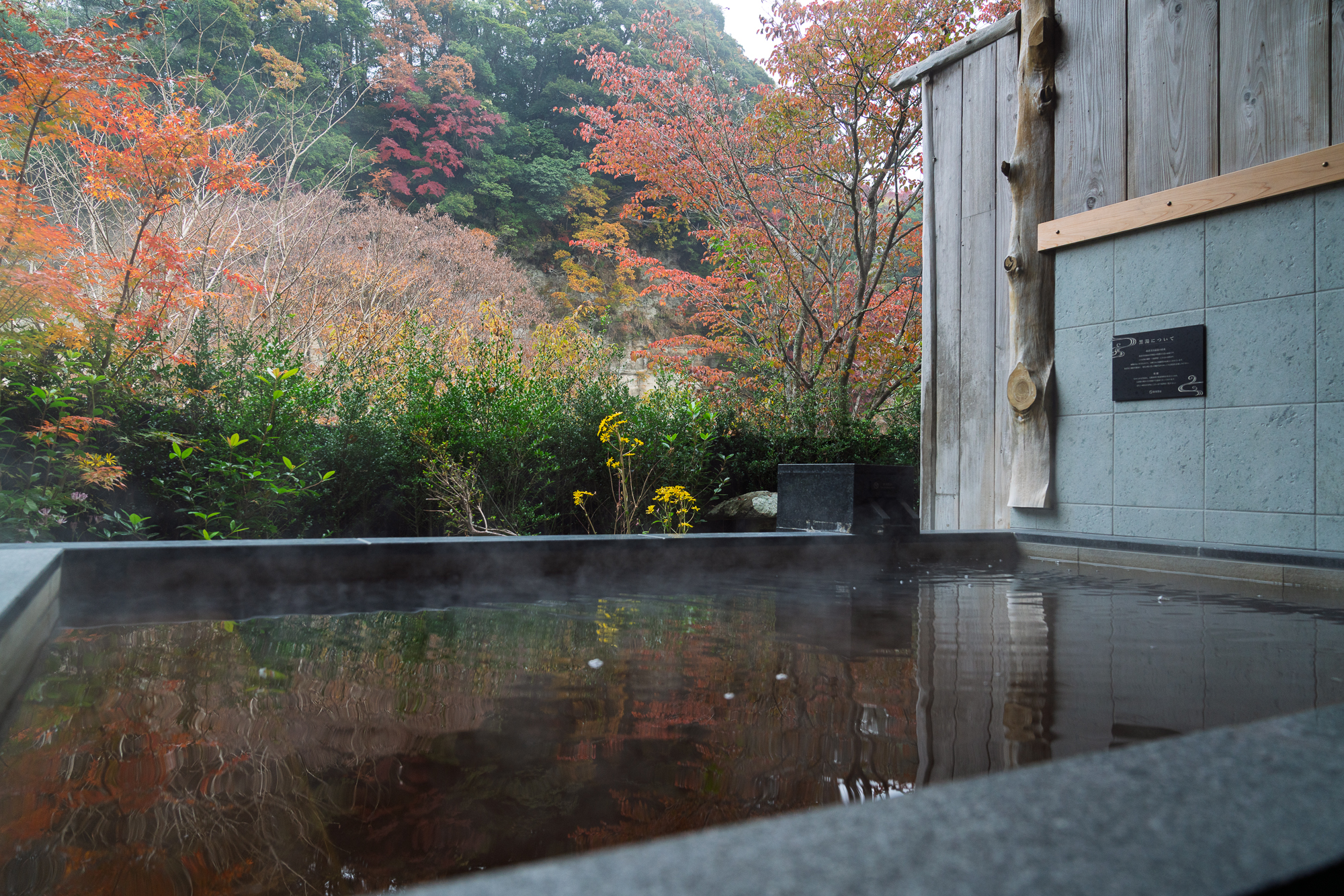
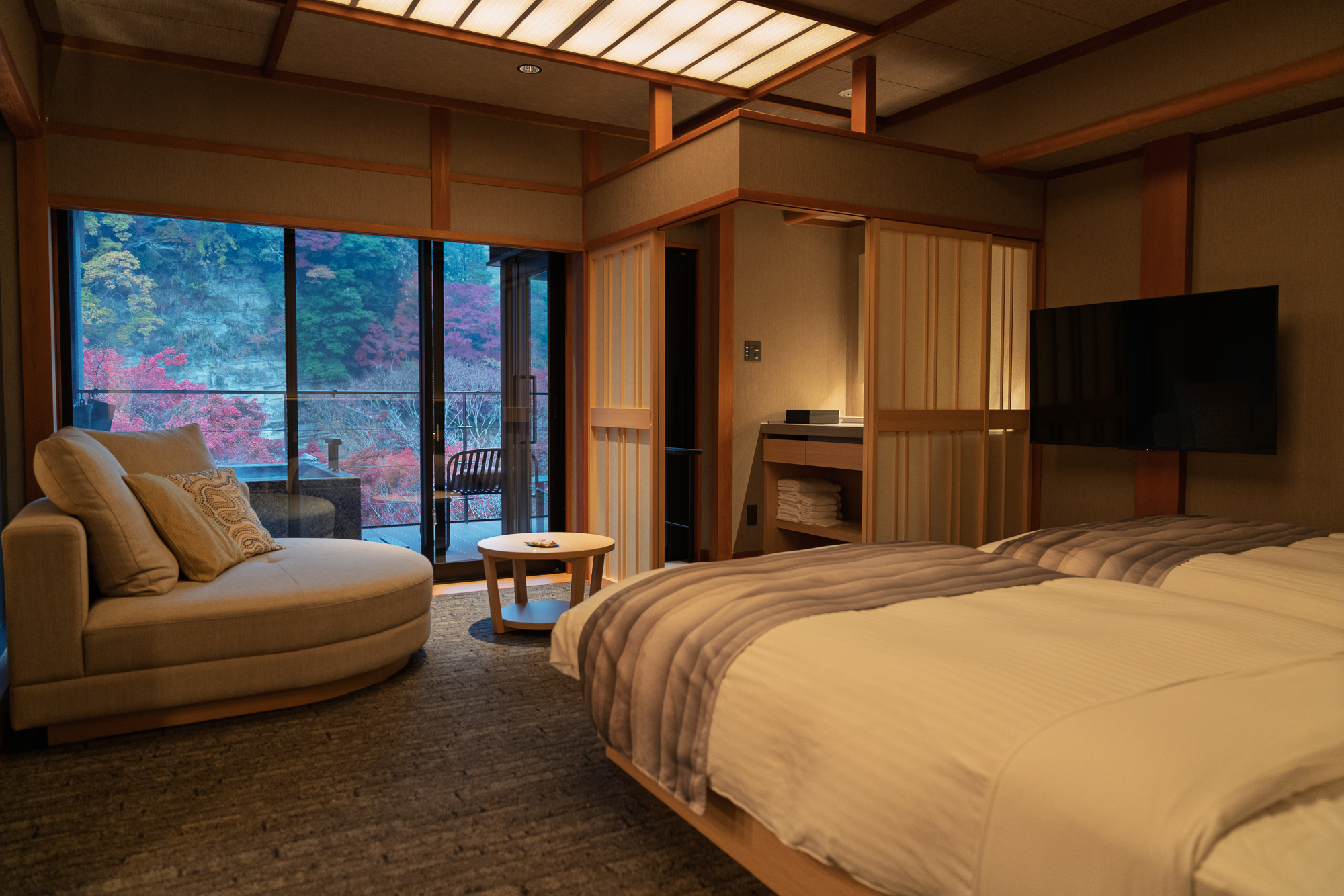
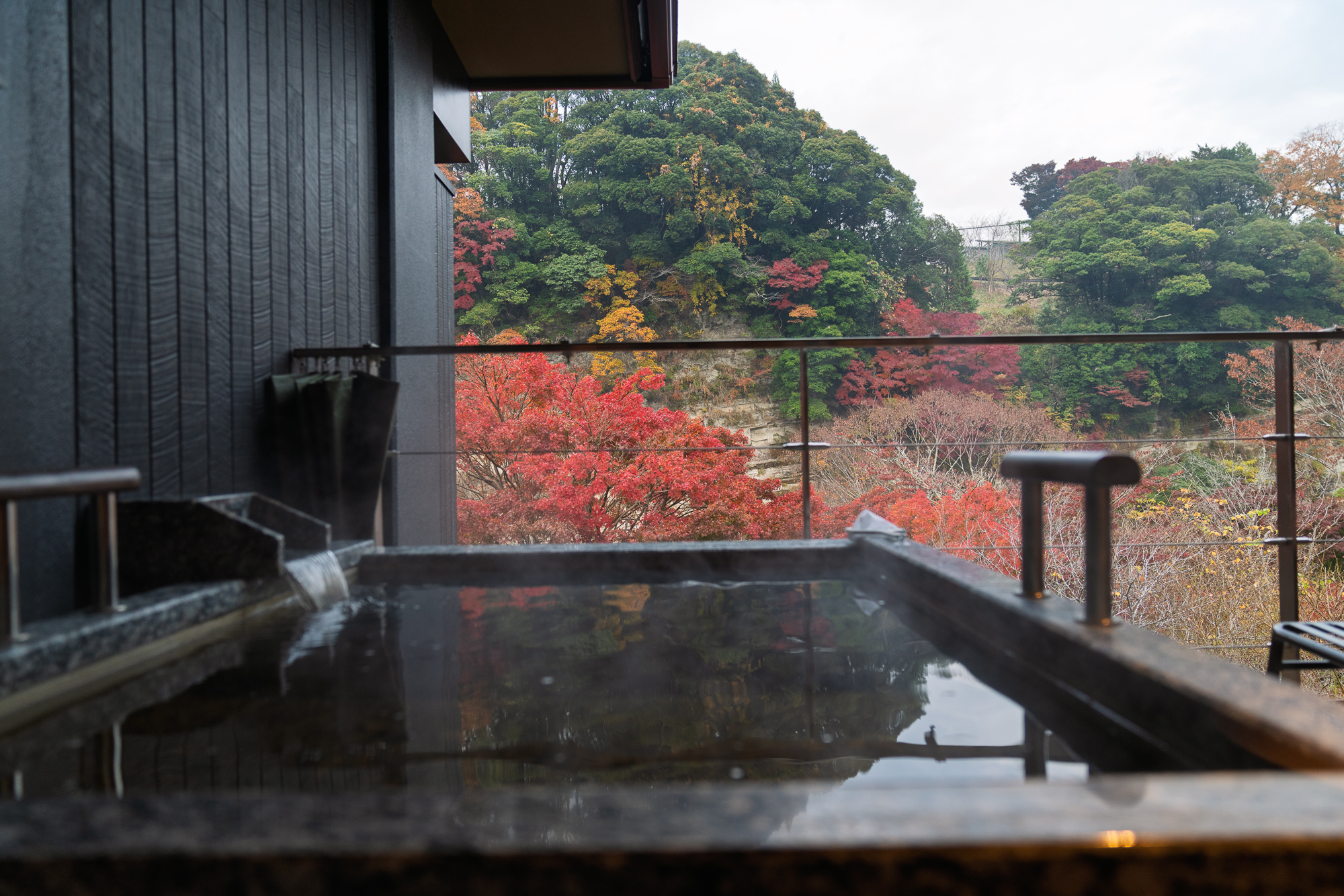
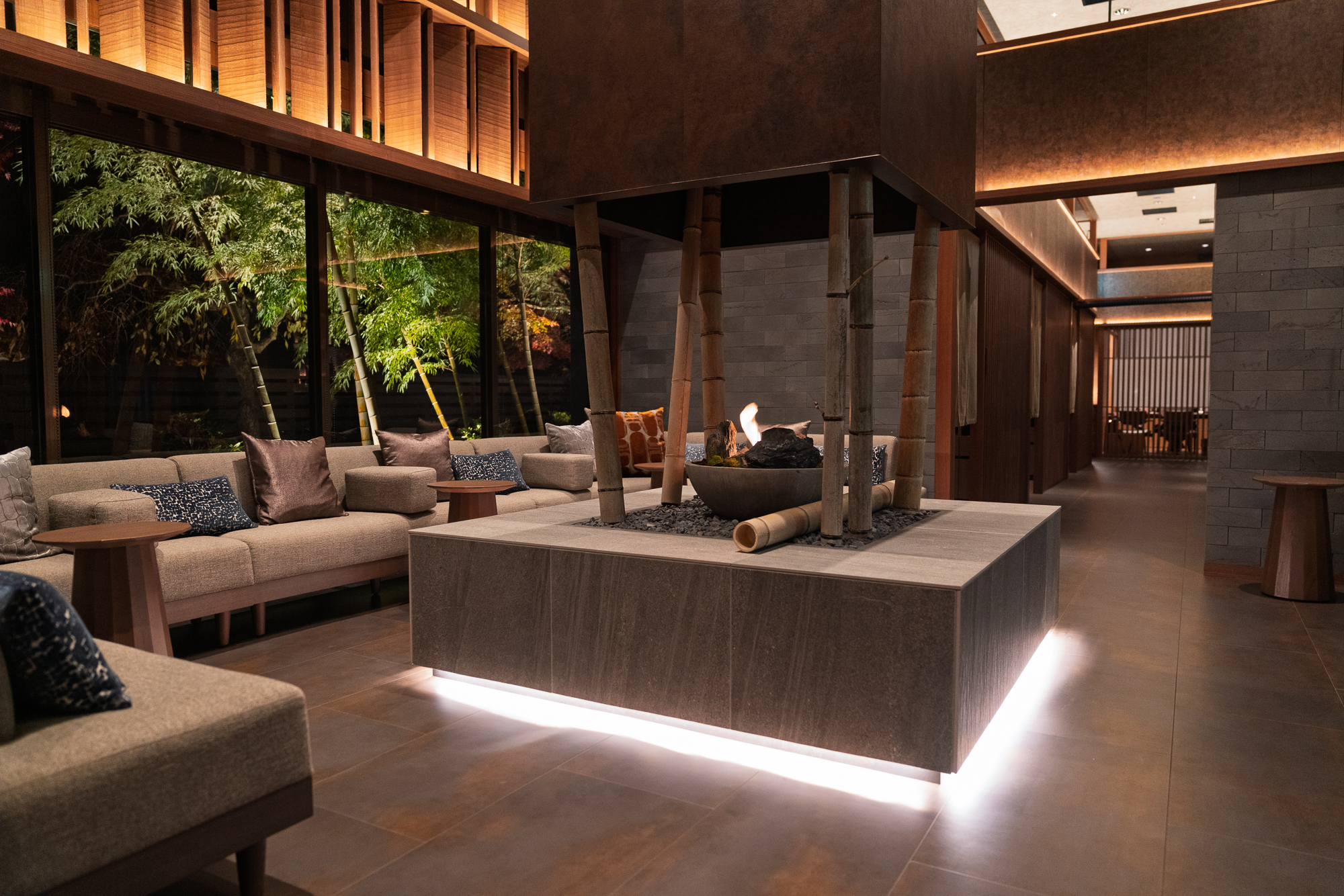
From the moment you arrive, the premium nature of the experience is clear. Check-in takes place in a lounge just inside the entrance, with gorgeous views out to the valley. The accommodation options range from standard valley-view rooms to the premium Riverscape rooms, six spacious suites that sit further down the hill and face directly onto the river. Each room features a private outdoor bath with water flowing twenty-four hours a day, so you can soak in the afternoon light, under the stars at night, or as the morning mist rises from the valley floor.
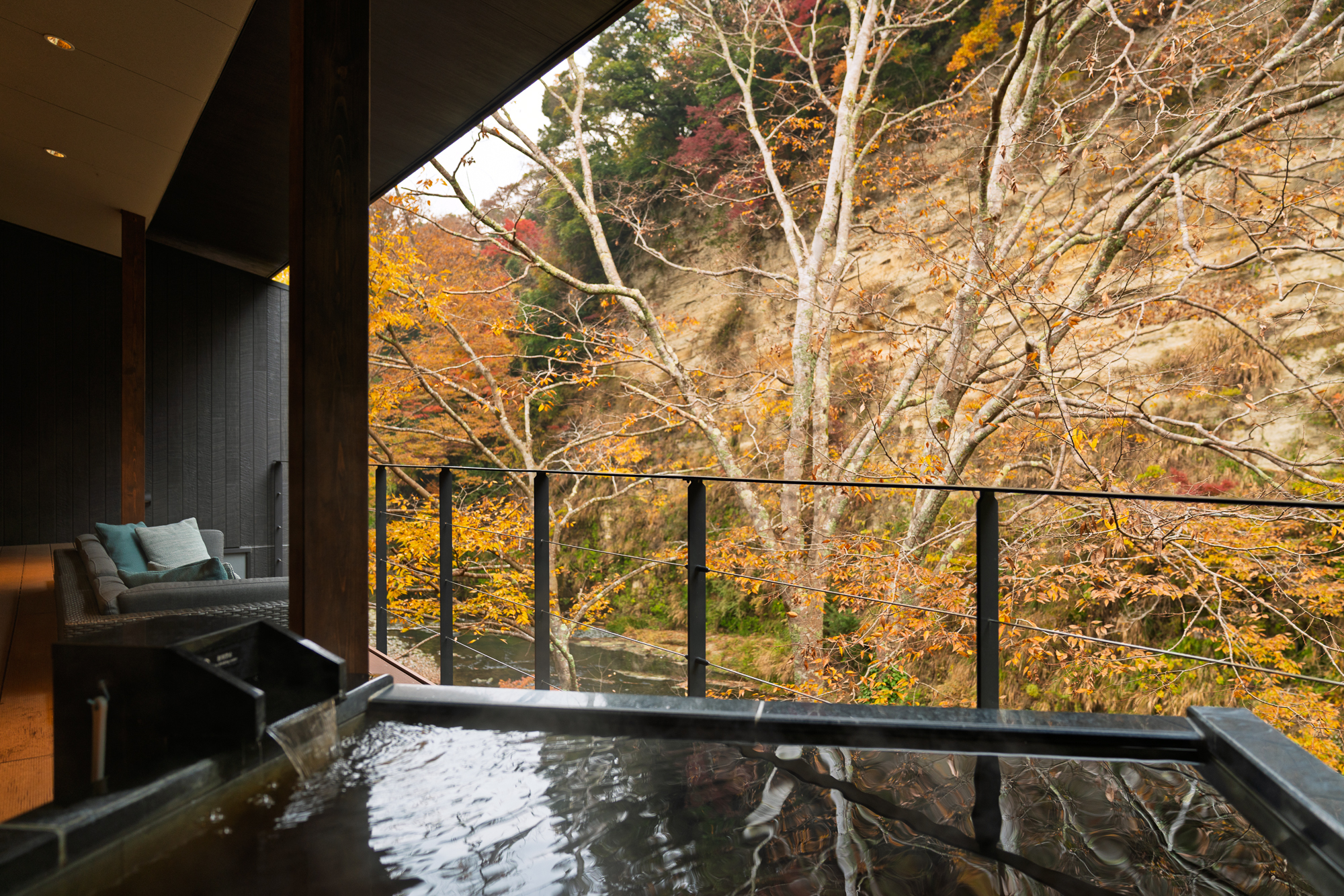
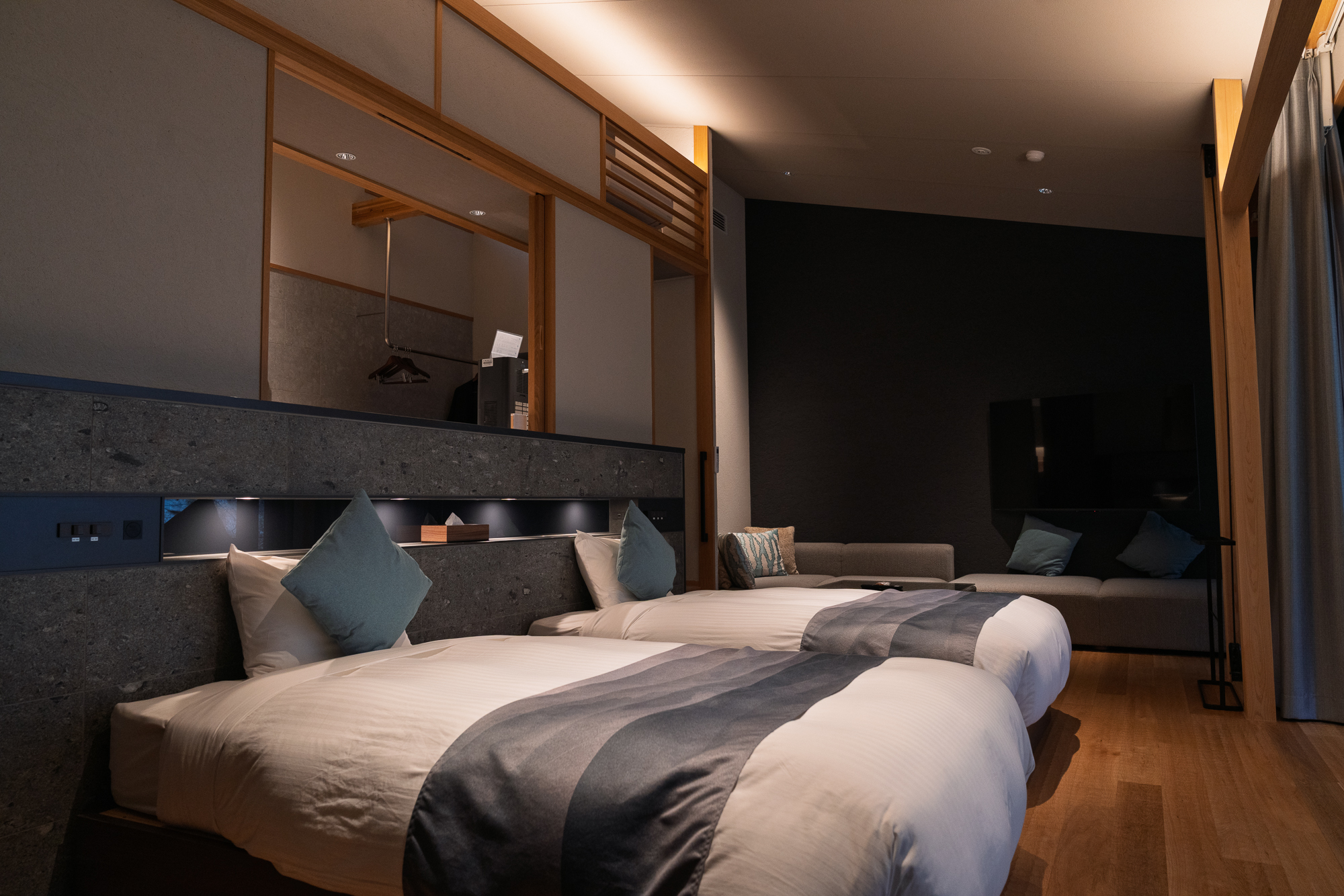
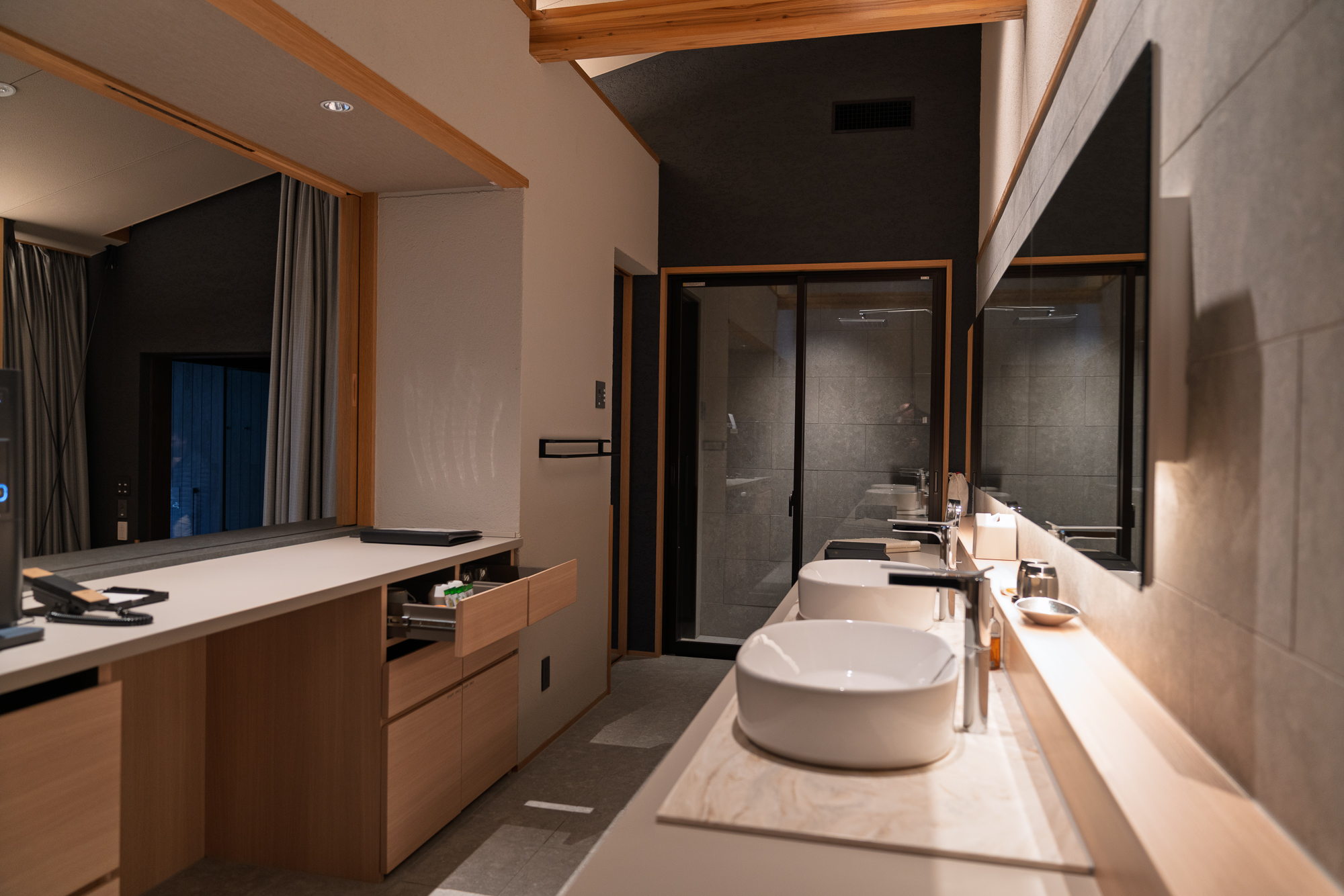
The water itself is known as kuroyu, black hot spring water known throughout the region for its skin-beautifying properties. This is the defining characteristic of the Yoro Valley hot springs, considered the finest onsen village in the Boso Peninsula.
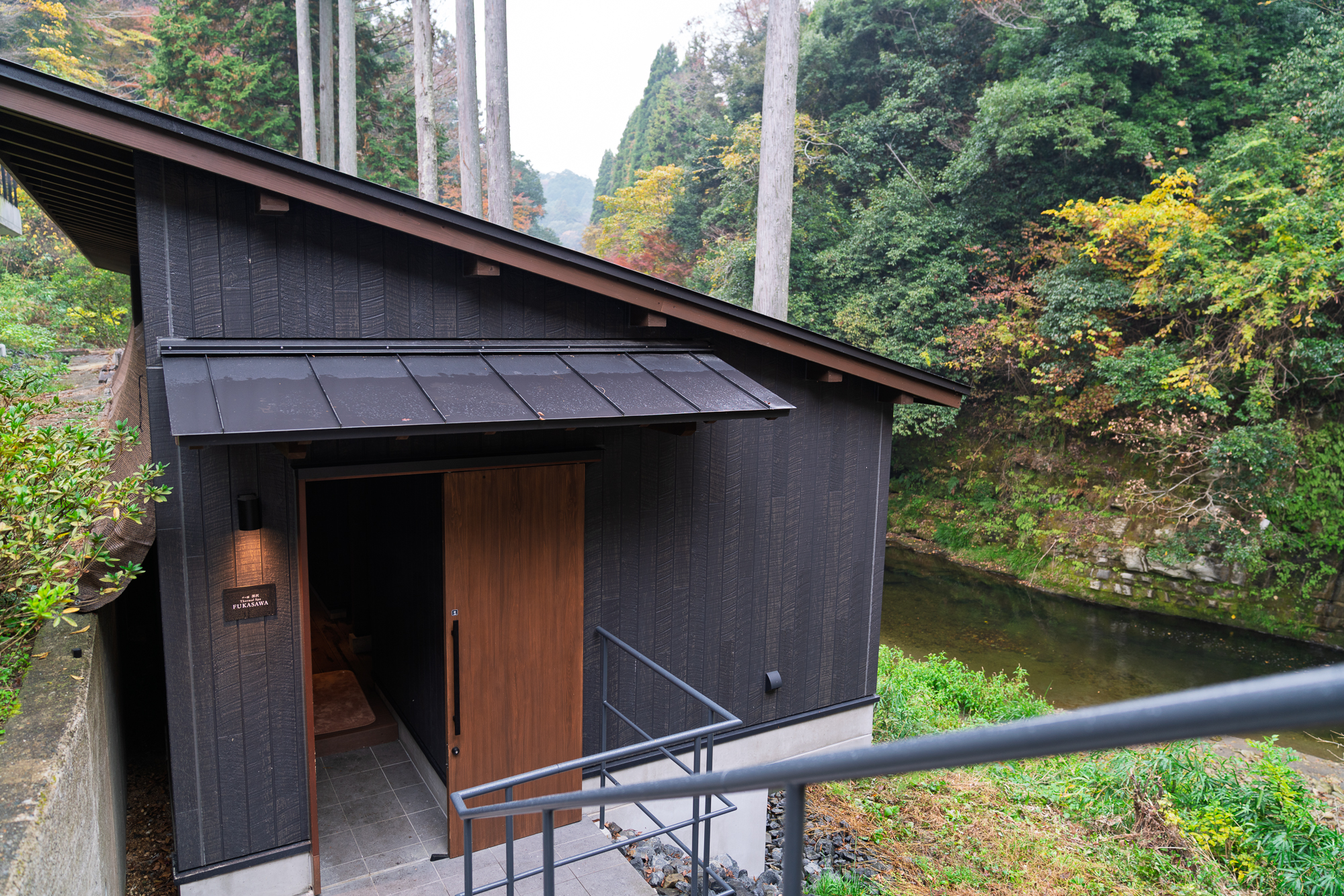
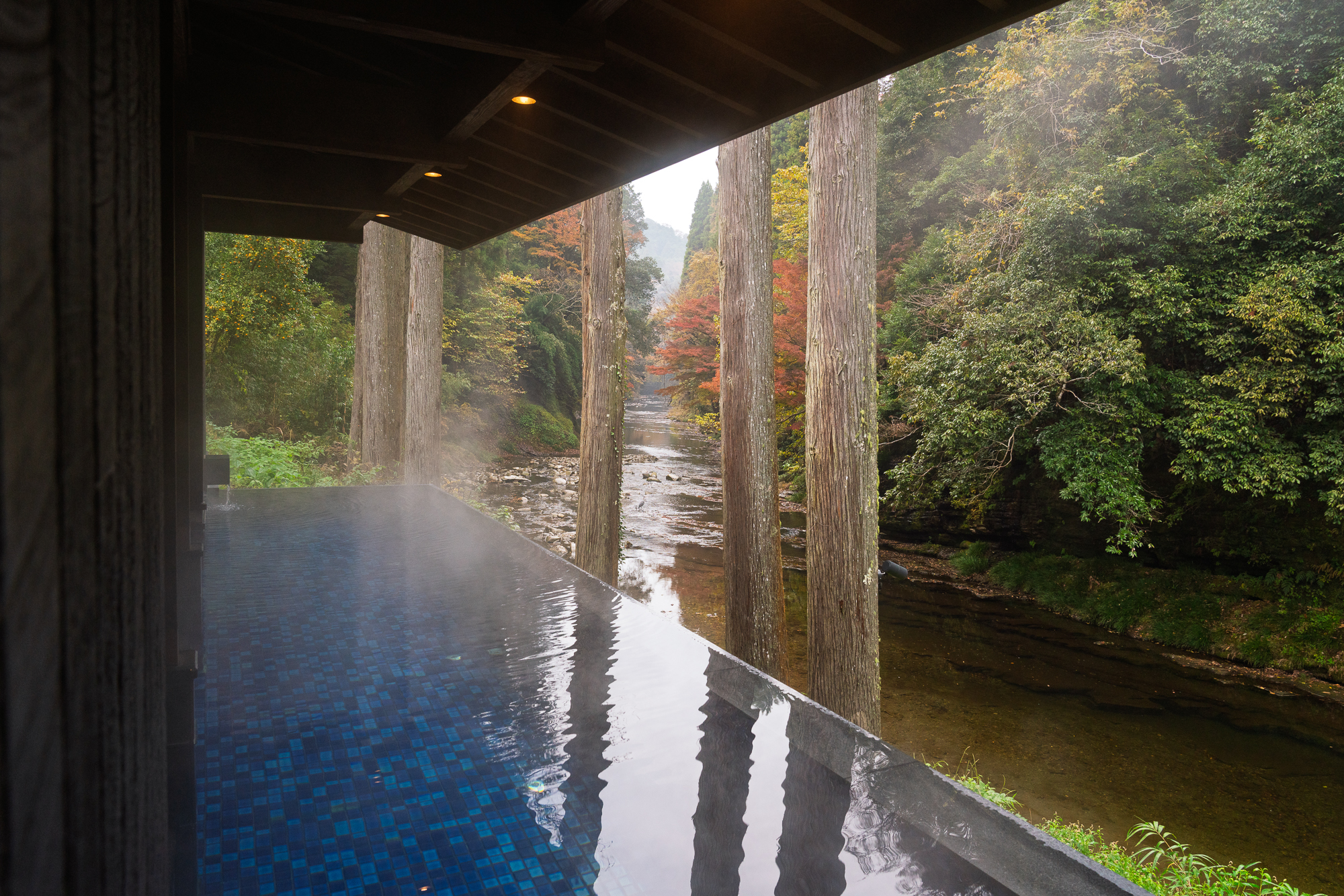
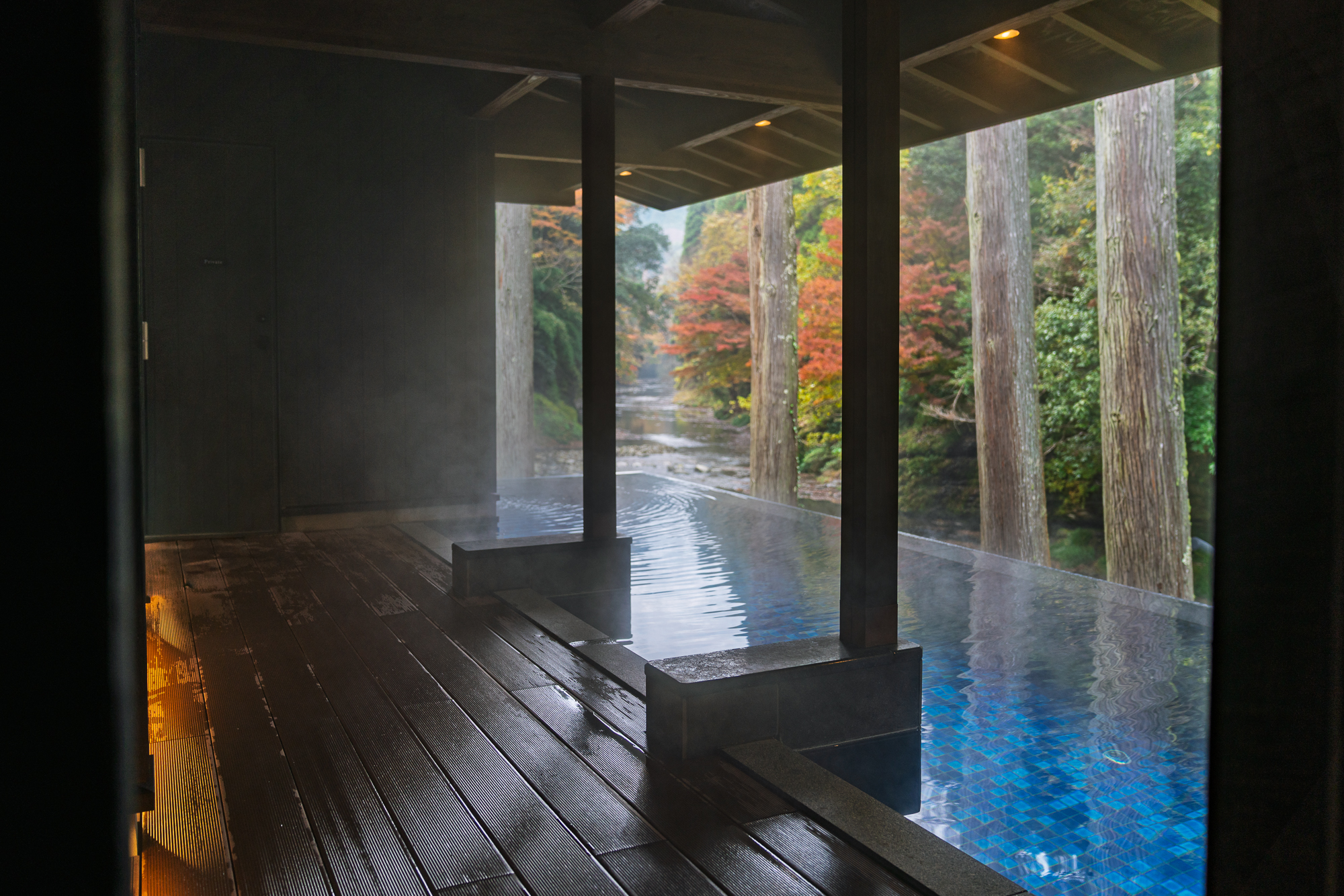
Shinra offers several bathing experiences beyond the private baths. The Fukasawa pool reimagines the traditional onsen as a mixed-bathing pool where guests wear swimsuits provided by Shinra to share the experience with companions while taking in views of the valley. For those seeking complete privacy, two private bathing areas can be reserved free of charge, and a rental sauna is available for ninety-minute sessions.
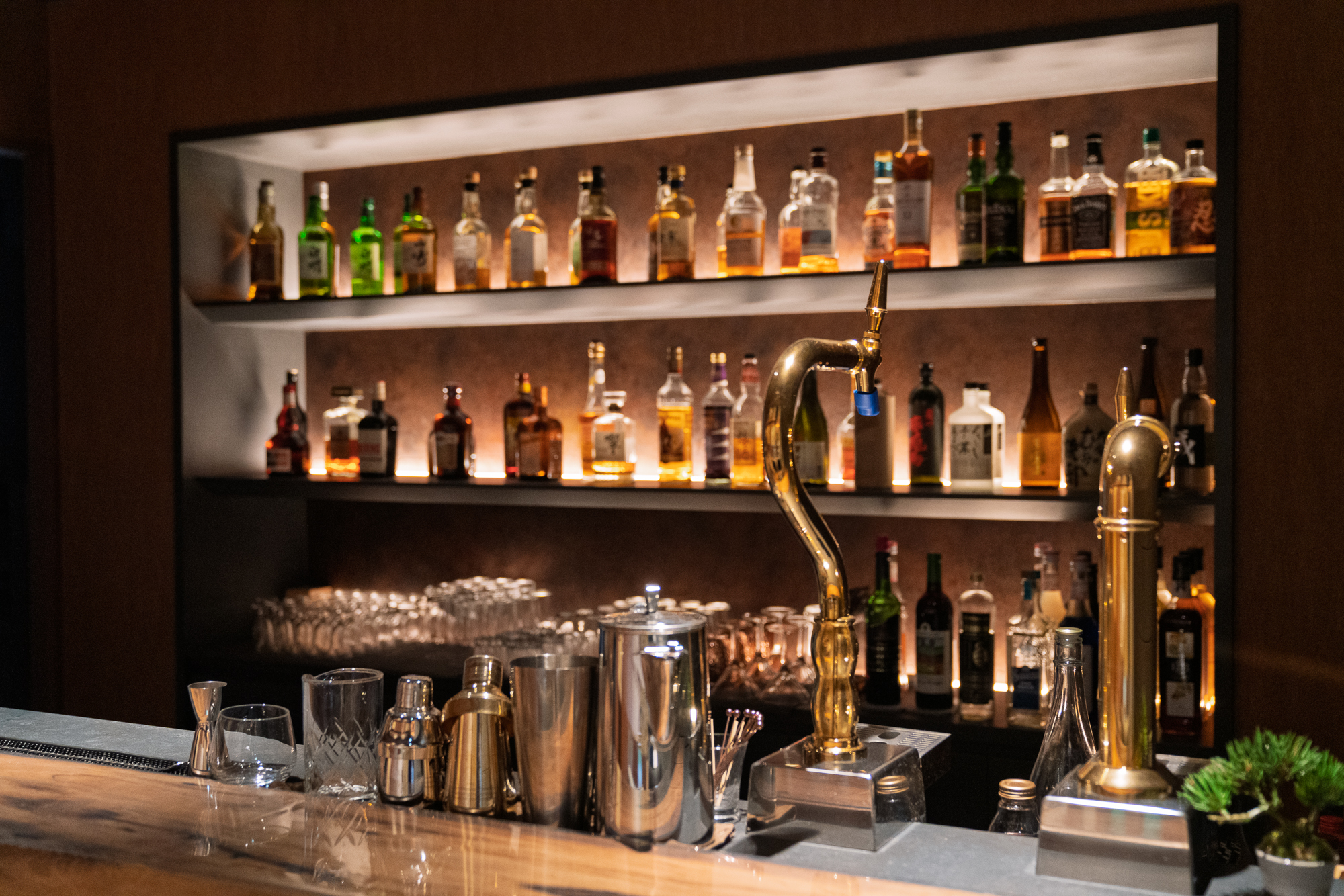
Near the entrance sits a counter with complimentary drinks throughout the evening. Guests can help themselves to local specialties rarely found outside of Chiba such as Boso Whisky, shochu distilled from the region’s famous peanuts, and draft beer. On weekends, the bar opens in the evening for those who want to extend the experience further.
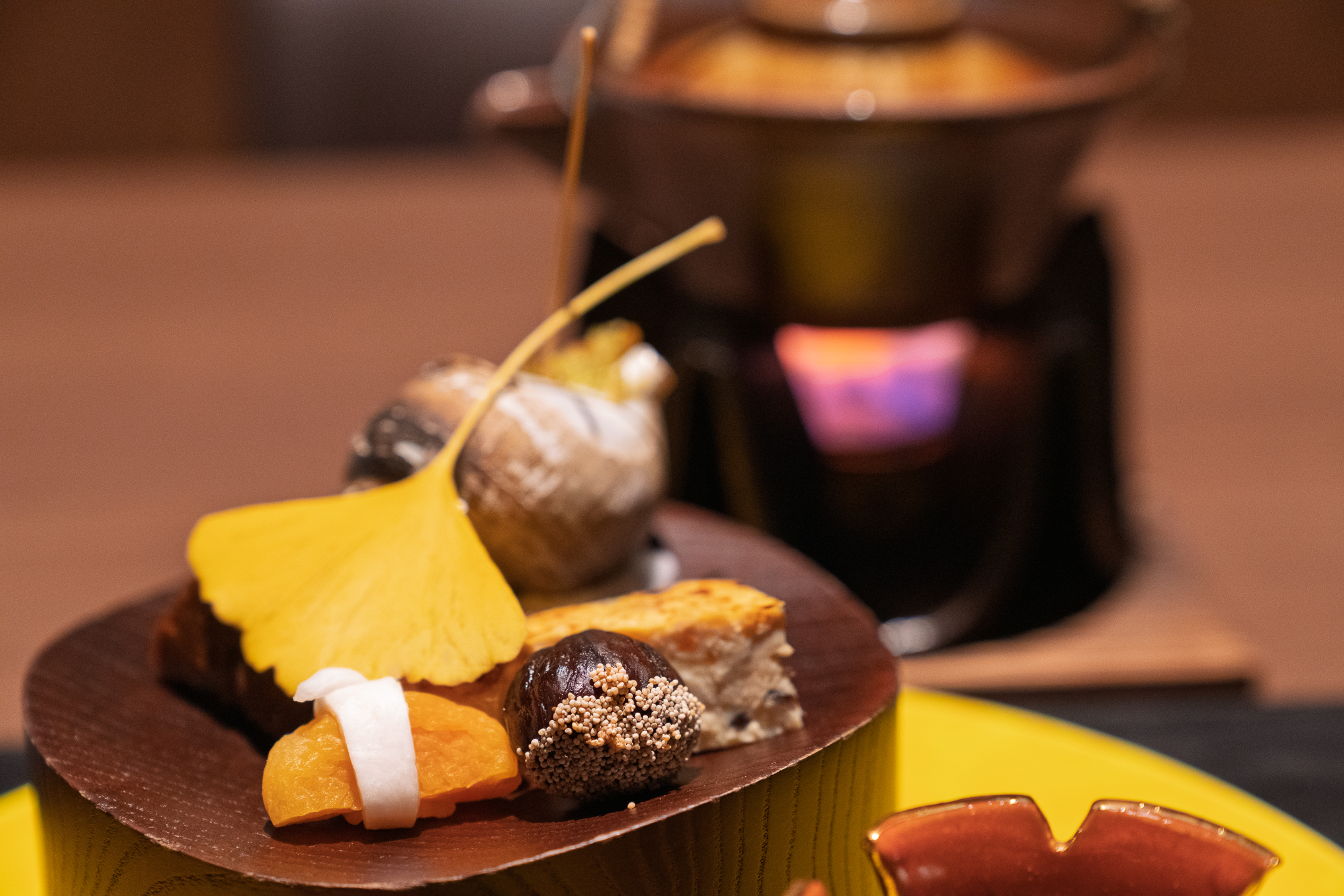
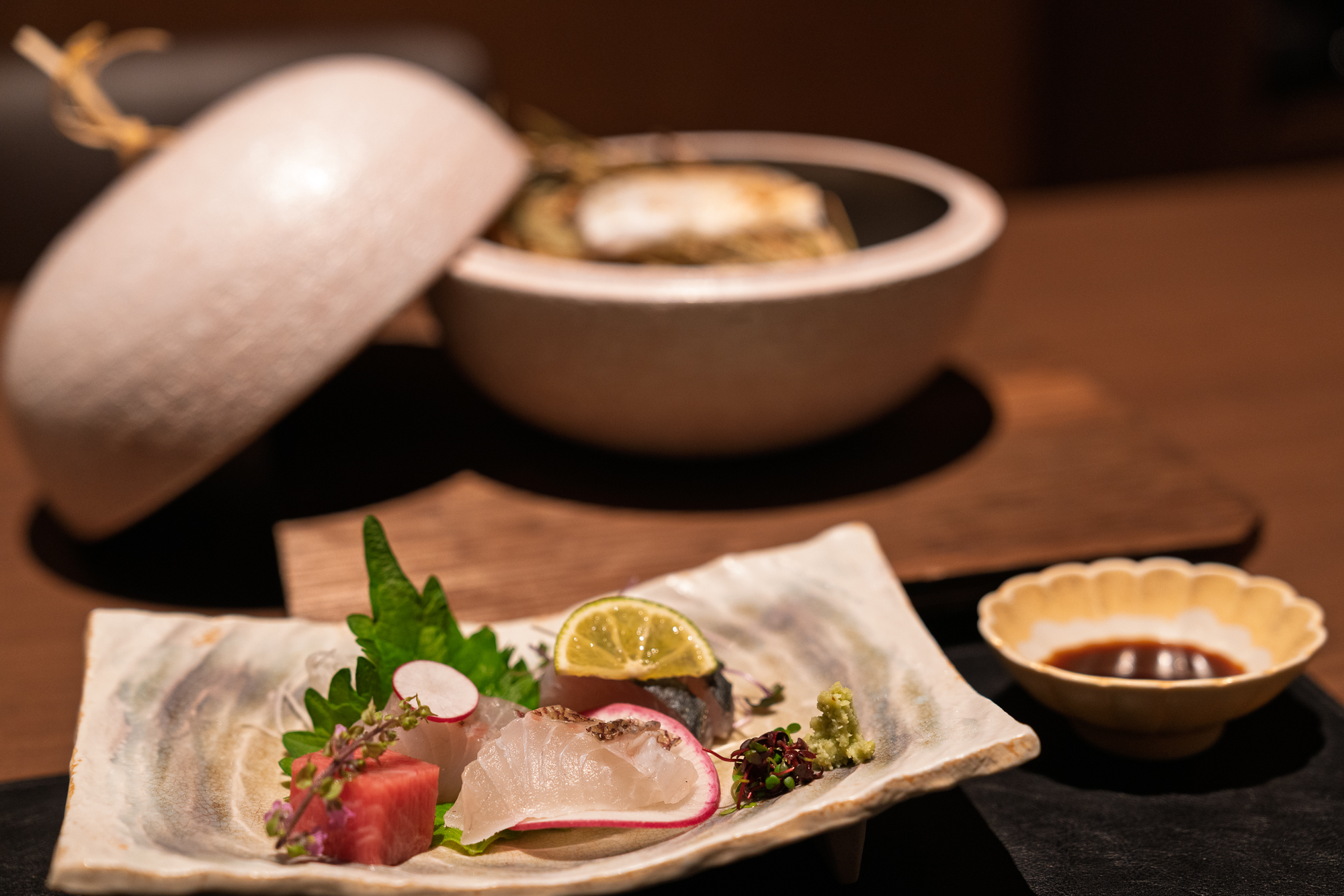
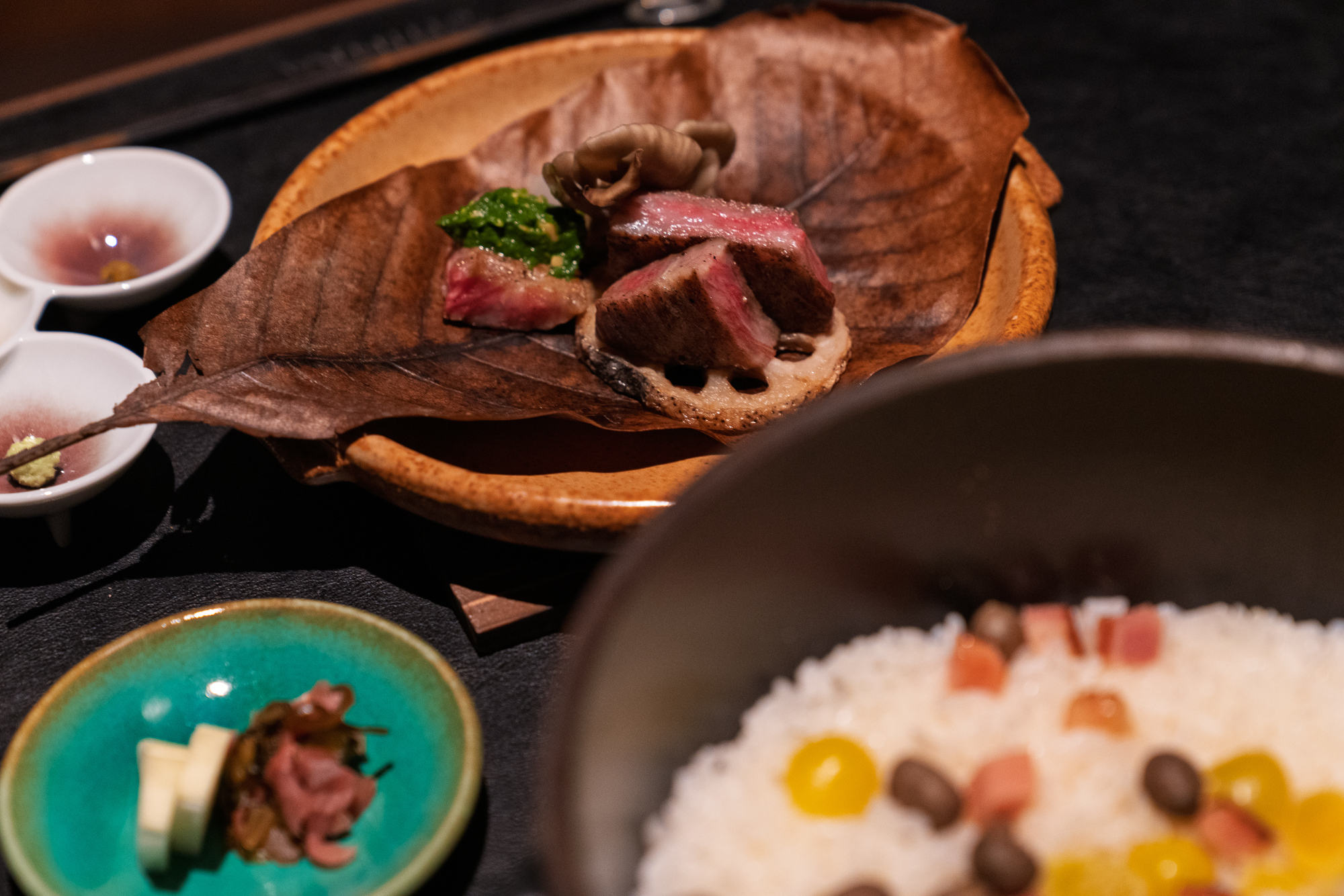
As with all high-end Japanese ryokan, Shinra takes its culinary program seriously. The kaiseki meal I had consisted of eight courses showcasing the unique position of the Yoro Valley, sandwiched between the mountains and the sea, with the menu changing monthly to follow the seasons. Standout dishes included dobin-mushi soup cooked in a clay pot with white matsutake mushroom and white fish, fresh sashimi delivered from local fishing ports, and Japanese black wagyu sirloin served with chrysanthemum sauce. Breakfast follows the traditional format with fish grilled over charcoal and rice freshly cooked in a pot. Guests in the Riverscape rooms can have breakfast delivered to their room if they prefer.
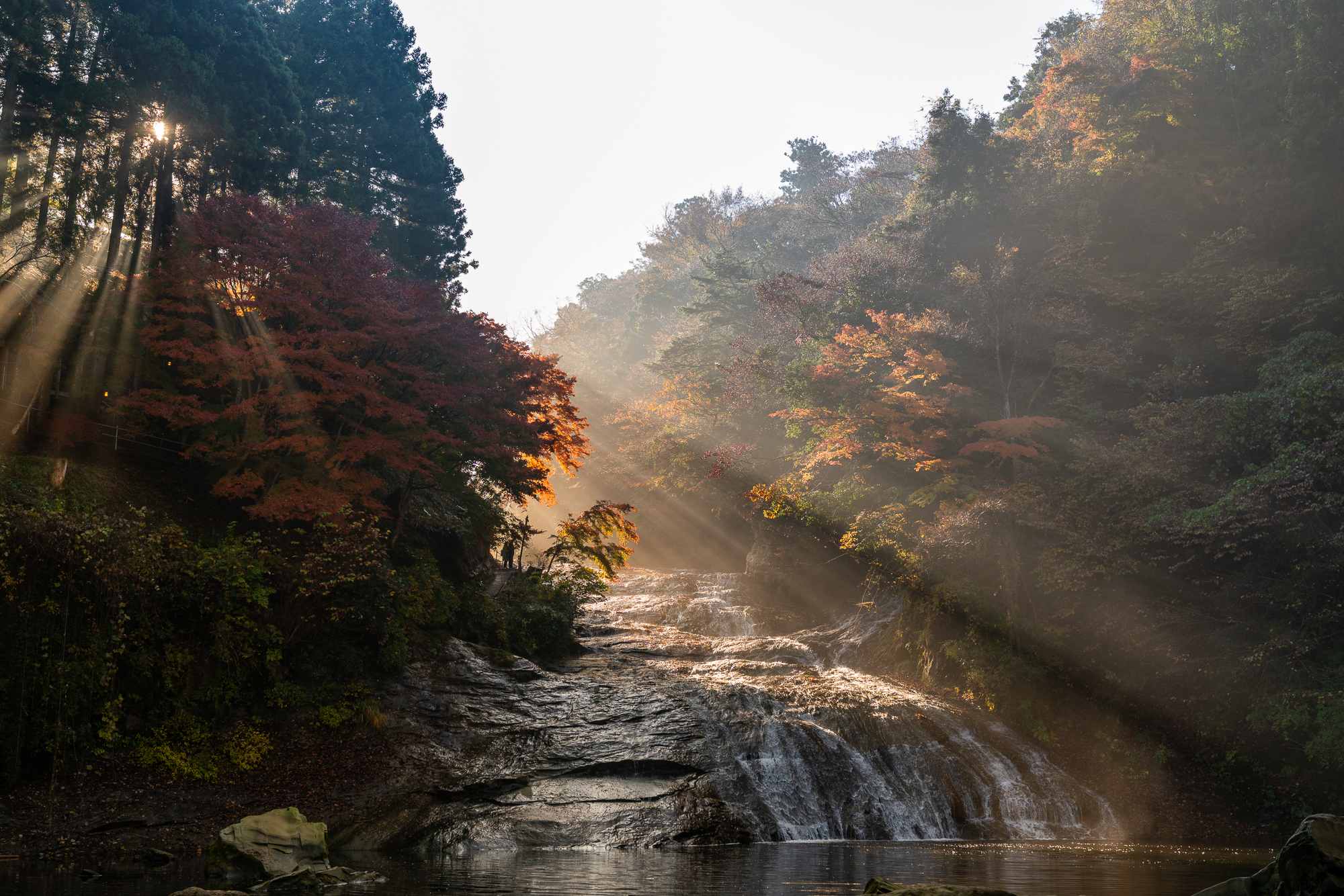
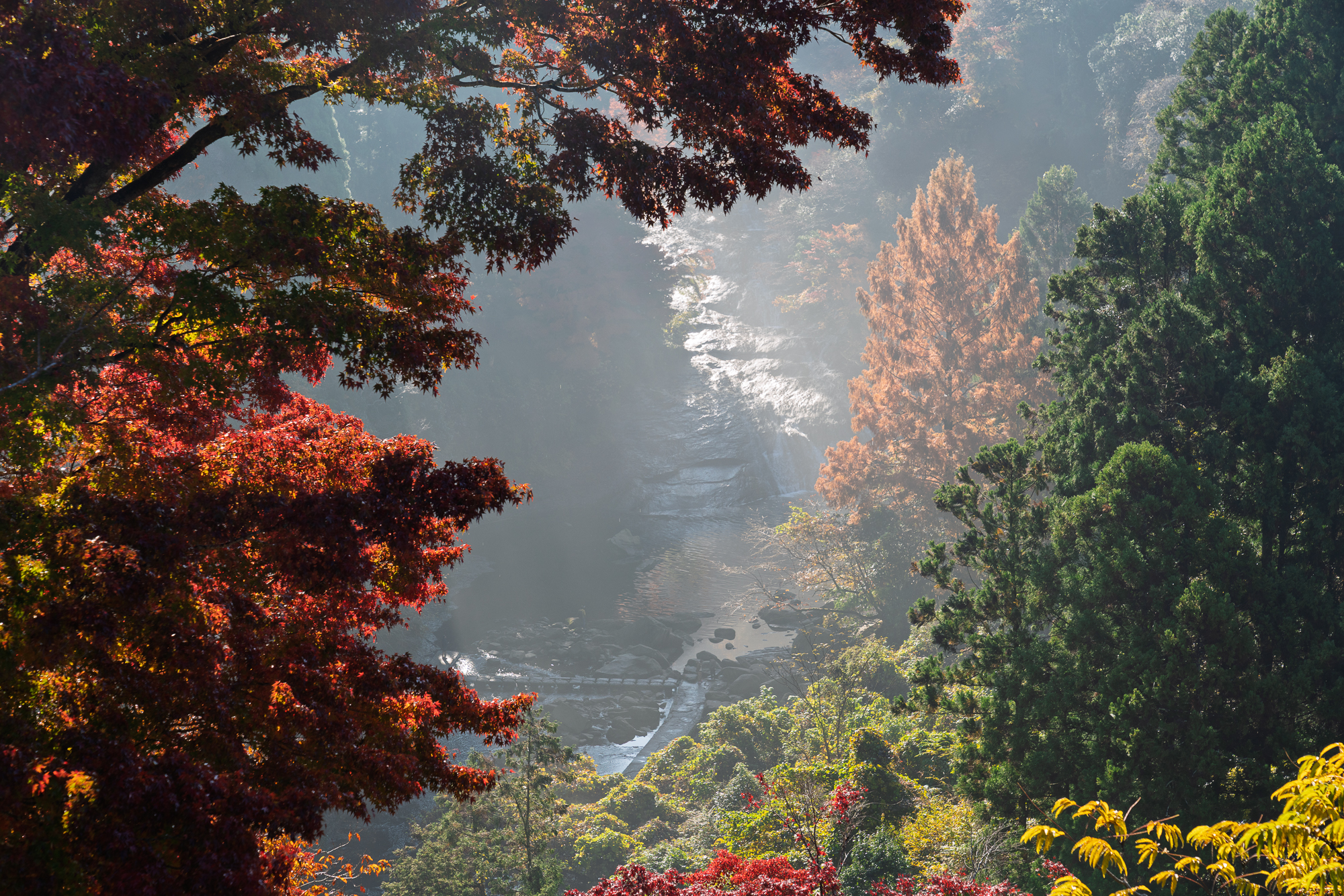
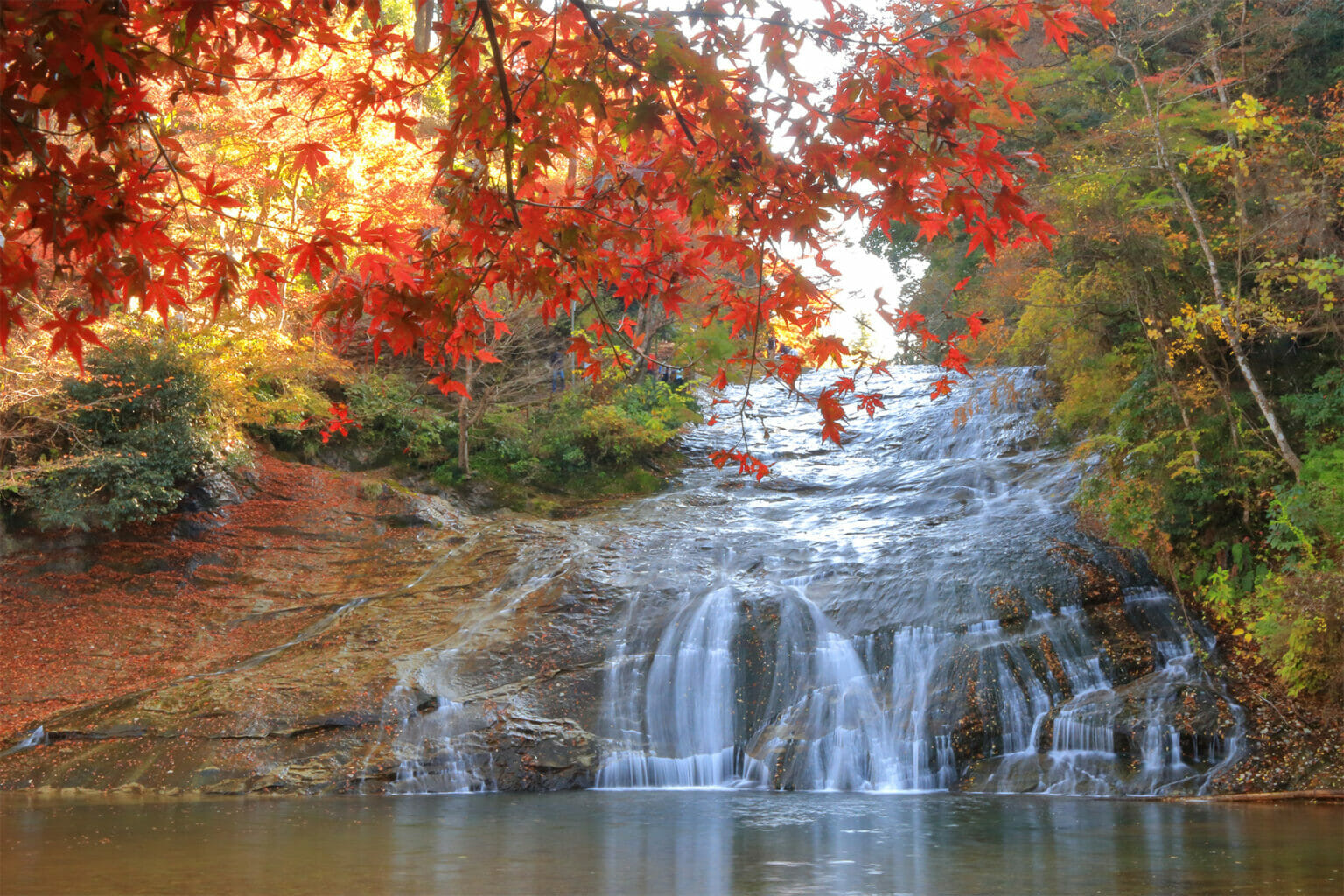
The resort maintains an adults-only policy, ensuring an atmosphere of tranquility. Shinra provides a shuttle bus service from Yorokeikoku Station, making the property accessible without a rental car, but having your own transportation opens up the valley’s other attractions including the famous Awamata-no-taki waterfall, considered one of the finest in the Boso region.
The Yoro River extends some seventy-five kilometers from its source through to Tokyo Bay, but this particular section where the river winds through the valley has created the unique geological beauty that drew Shinra’s developers to build here. While the resort itself is new, the valley’s reputation as a hot spring destination stretches back generations.
For international visitors still discovering what lies beyond Tokyo’s well-trodden paths, the Yoro Valley represents exactly the kind of experience Japan offers those willing to venture slightly further. The valley is beautiful throughout the year, with each season bringing its own character to the landscape, and Shinra has positioned itself to take full advantage of this by creating a retreat where the primary activity is simply being present.
Q: When did Shinra in the Yoro Valley open?
A: Shinra is a new luxury ryokan that opened its doors in March 2025, offering modern riverside accommodations in the heart of Chiba’s Yoro Valley.
Q: What is “Kuroyu” black water onsen?
A: Kuroyu is a unique type of natural hot spring water found in the Yoro Valley. It is dark in colour and highly regarded for its skin-beautifying and moisturizing properties.
Q: How do I get to Shinra without a car?
A: The resort is accessible via the Kominato Railway. Guests can take a train to Yorokeikoku Station, where Shinra provides a complimentary shuttle bus service directly to the property.
Q: Is Shinra family-friendly?
A: Shinra maintains an adults-only policy to ensure a quiet, tranquil atmosphere for guests seeking a peaceful retreat in nature.
157 Awamata, Otaki Town, Isumigun (Awamata Waterfall Parking Lot)
(Awamata Waterfall Parking Lot: 1-minute walk from the last stop on the bus bound for Awamata Waterfall from Kazusa Nakano Station on the Kominato and Isumi railways)
+81-436-96-0055